
Musing Out Loud...
A sample of TW Paterson’s stories
Old Photographs that have something to say
You see them all the time. At garage sales, flea markets and thrift stores, they stare back at you from over the years.
How do these family photographs, so very personal and, one would think, so meaningful to their owners, find their way to a sales table?
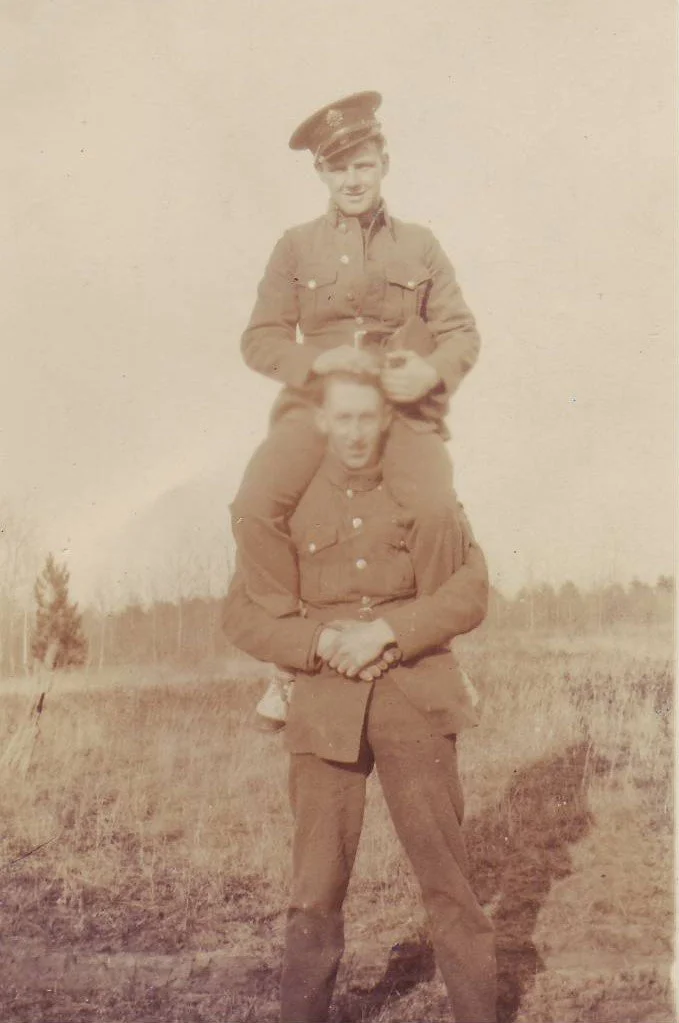
For the perspective buyer, usually a collector of what's fanciful termed ephemera, the thrill of the hunt can be dampened by a nagging sense of guilt. These were real people whose private lives so faithfully preserved in family albums are now bared for the prying eyes of strangers.
This is an invasion of privacy; they should be tucked safely away for family posterity. But there they are for the world to see, jumbled in a box, sometimes framed or in their original albums.
It's a moral dilemma that has posed itself more than once to this history buff, ardent collector and flea market veteran. What began as a practical consideration (old photographs can be invaluable when used to illustrate newspaper and magazine articles) first took a subtle turn in the ‘70s, when two photographs which accompanied a Victoria newspaper article about garage sale treasures were claimed by family descendants.
The first to phone was a man who said he was calling on behalf of an elderly, ailing mother of a young boy shown on a large wooden locomotive, obviously in a studio setting. He expressed outrage that the picture had found its way to a thrift store. It never should have left the family, he said, the lad in the picture having later joined the navy and been killed during the Second World War. The caller had his suspicions as to how this priceless family treasure has strayed, but he declined to elaborate.
The second caller was more upbeat. Did I know that her brother, then city solicitor, was the boy in the photograph taken by the late Capt. E.G. Beaumont during their round the world tour in the ‘20s? I hadn’t but, so informed, was pleased to turn them over.
At least once a batch of family photos found their way back to the rightful owners without appearing in print. Purchased at a Cobble Hill flea market of all of $3, they covered several generations, the most recent being a 1940s airman and his bride. Only the oldest, brown with age, or a name on the back.
Another seller said she thought she recognized the young bride as a former neighbour from years before. She thought they’d moved to Crofton.
As indeed they had. Six years later, remembering that 1992 conversation, I looked in the phone book. There was one name listed with the same spelling. The woman who answered my impulse call, although taken by surprise, readily identified the photographs over the phone. She thought it likely that they had belonged to her late husband’s parents who’d passed away years before, and she was eager to take them back and have them copied for her two married daughters.
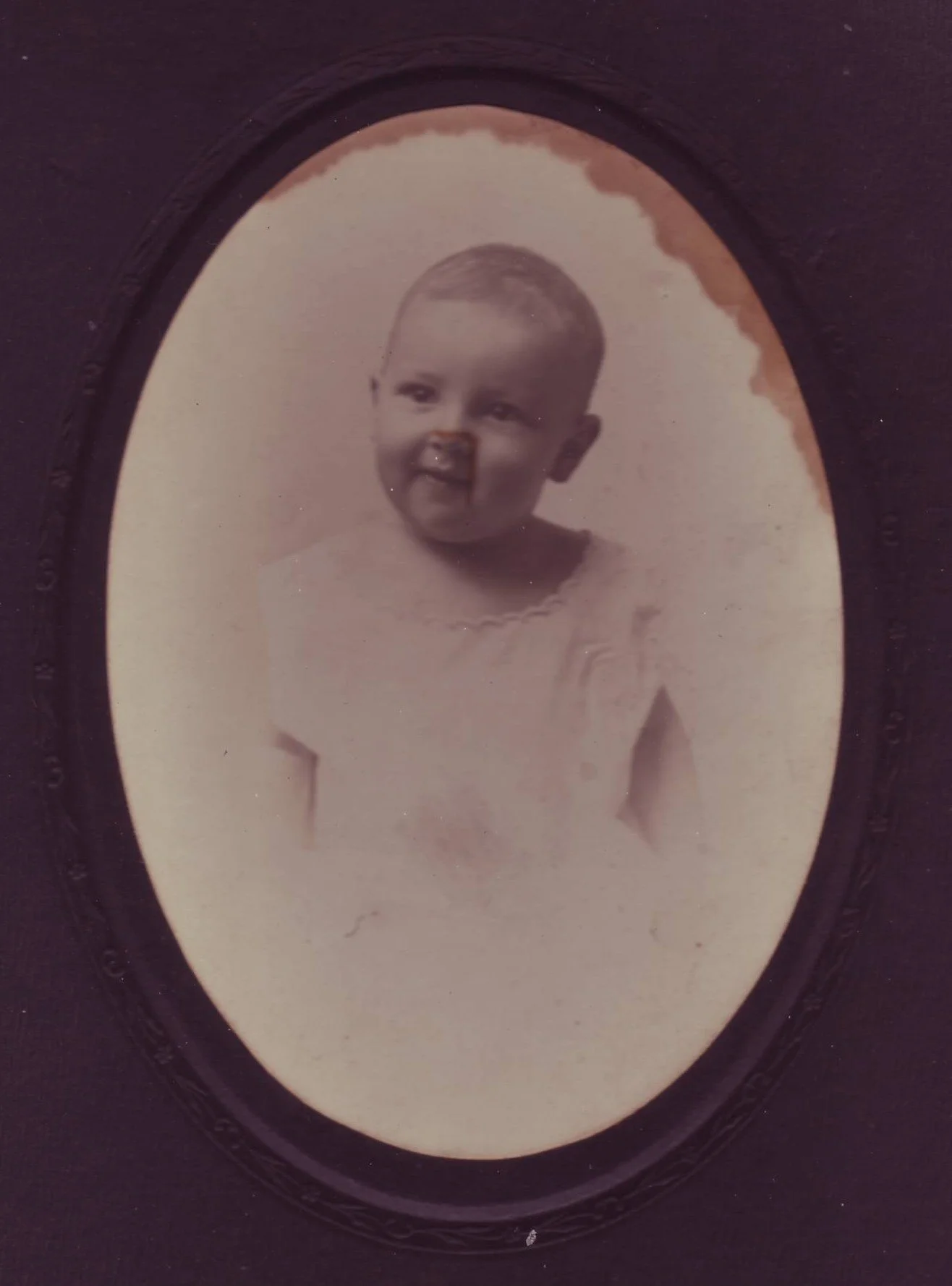
A box of photographs at a Shawnigan Lake garage sale included one of the First World War soldier, probably taken in his garden before he shipped overseas. And so it proved when the late Bob Dugan, neighbor and second generation local historian, identified him. Pte. Thomas James Thomson Jeffrey was killed six weeks before Armistice while serving with the 72nd Battalion, Seaforth Highlanders, and his name is on the Vimy, Cobble Hill and Duncan cenotaphs.
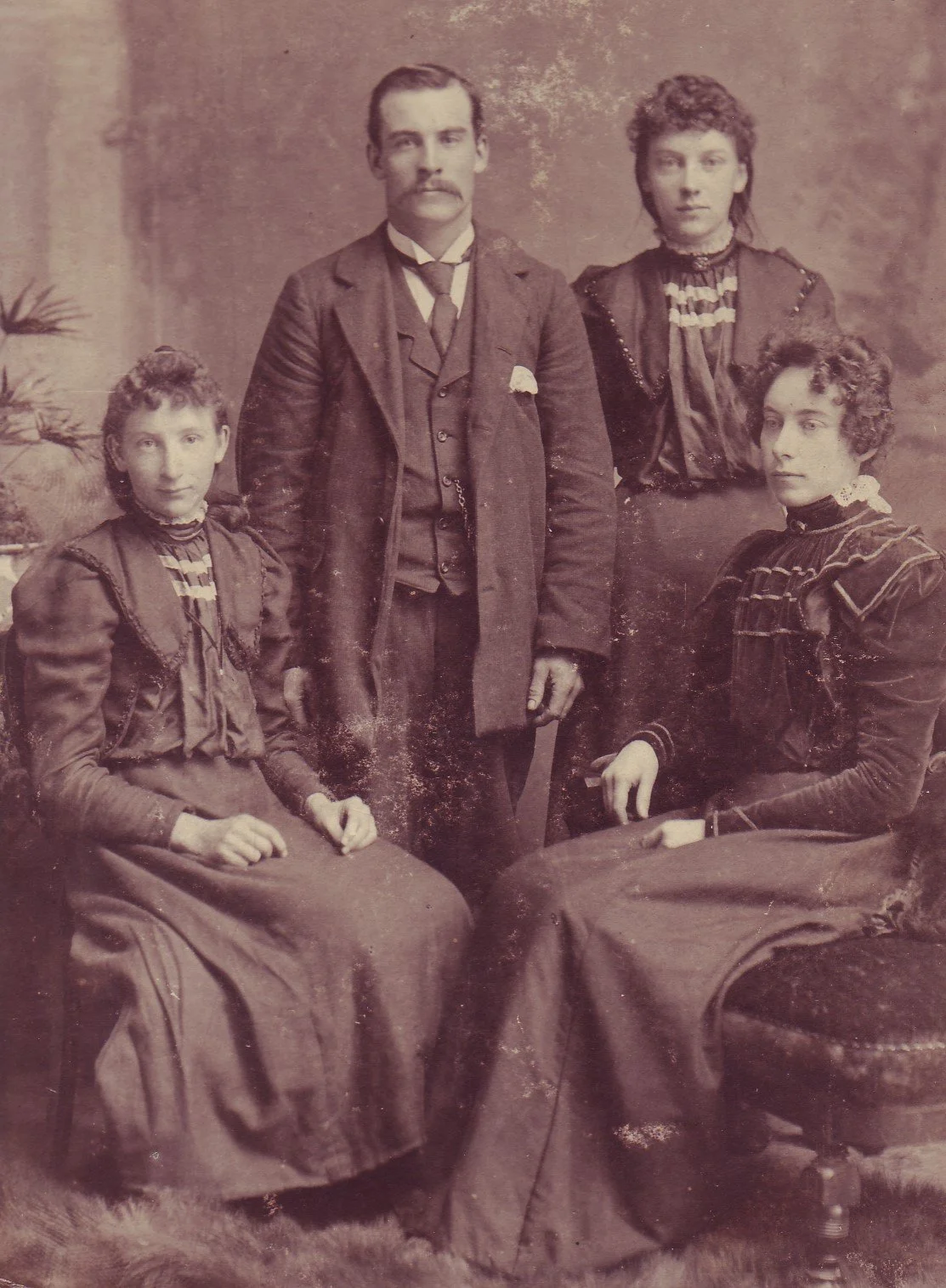
Several photographs at a Chemainus antique mall defied by the laws of all probability in that each and every one of them was identified on the back by family name and Ontario community of origin. There really ought to be a law that photographs be identified and dated.
A box tucked under a table at a Somenos flea market yielded a sepia-toned photograph of a basketball team, posed before a cute cottage, and looking very much like it was taken about the turn of the last century. Remarkably, it bears a faint pencilled legend, “Victoria High School basketball team, 1911.”
These are the exceptions. Usually old photographs (other than classroom shots) are unidentified other than by, perhaps, a photographer’s studio imprint and the community. A great number of these studio portraits, at least those found by this writer, seems to be from the Old Country or Ontario.
Perhaps there is something vaguely appropriate in their present anonymity. Lost in a sea of old portraits and relegated to being a sales commodity-something, surely, that their forgotten models never foresaw-they, unlike the photographs mentioned above, will never “go home”.
You look at them and wonder: Who were these men, women and children from years gone by? What became of them? Are their descendants around?
For the most part, alas, their stories are doomed to go untold.
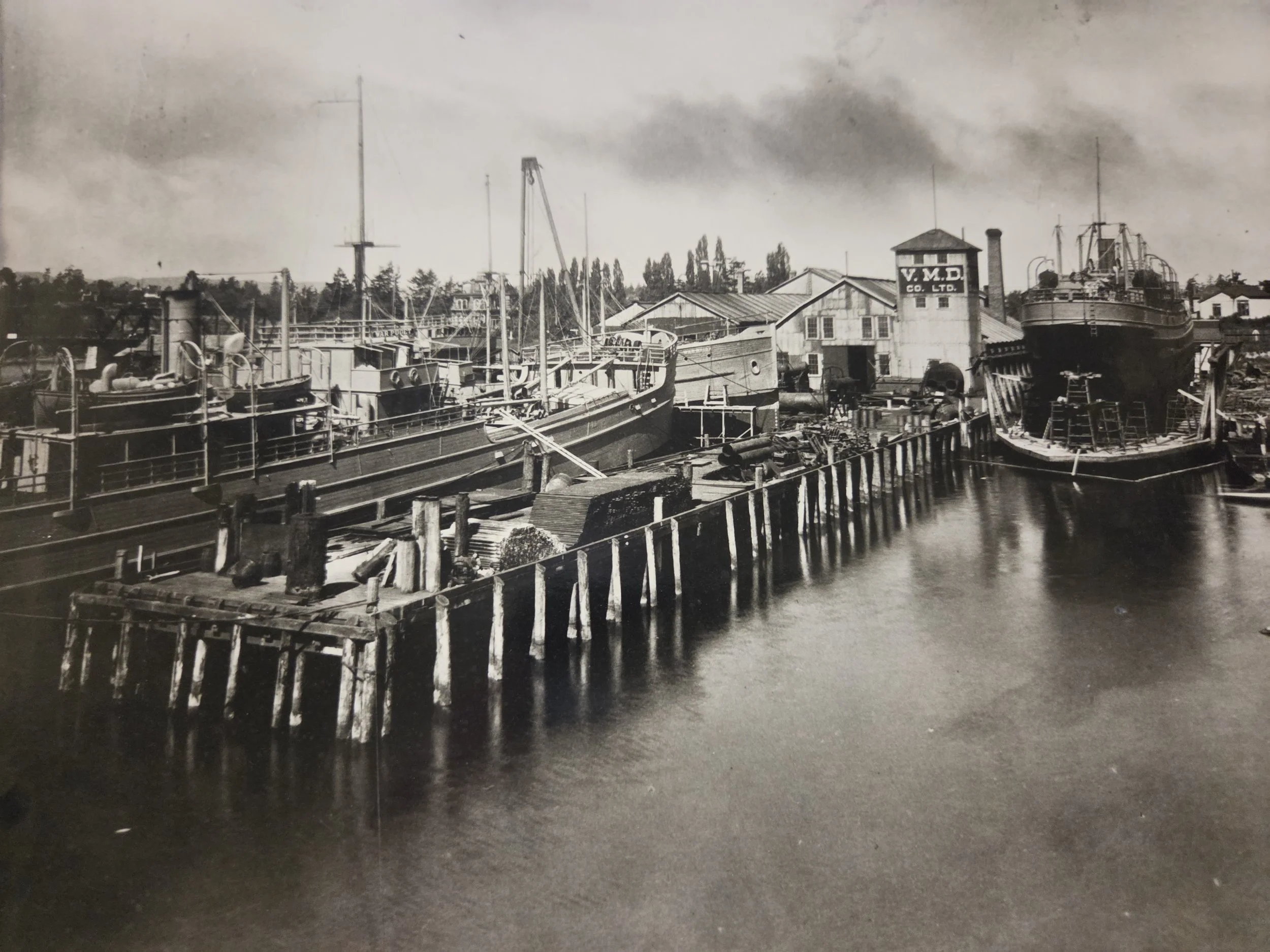
Victoria Shipyard - Author’s Collection

Have a question, comment or suggestion for TW? Use our Contact Page.