
For those of us who’ve become used to, even jaded by, world news of catastrophes and political crises, it was a very quiet week in the Cowichan Valley, a century ago. Every front-page news item on the front page of The Leader for this week in January 1920 was hum-drum, mostly about agricultural affairs.
That’s something we don’t have much of today: news about local farming. The Valley still has a large dairy industry and other agricultural enterprises, of course, but when did you last read about them in the Citizen or saw a feature on TV?
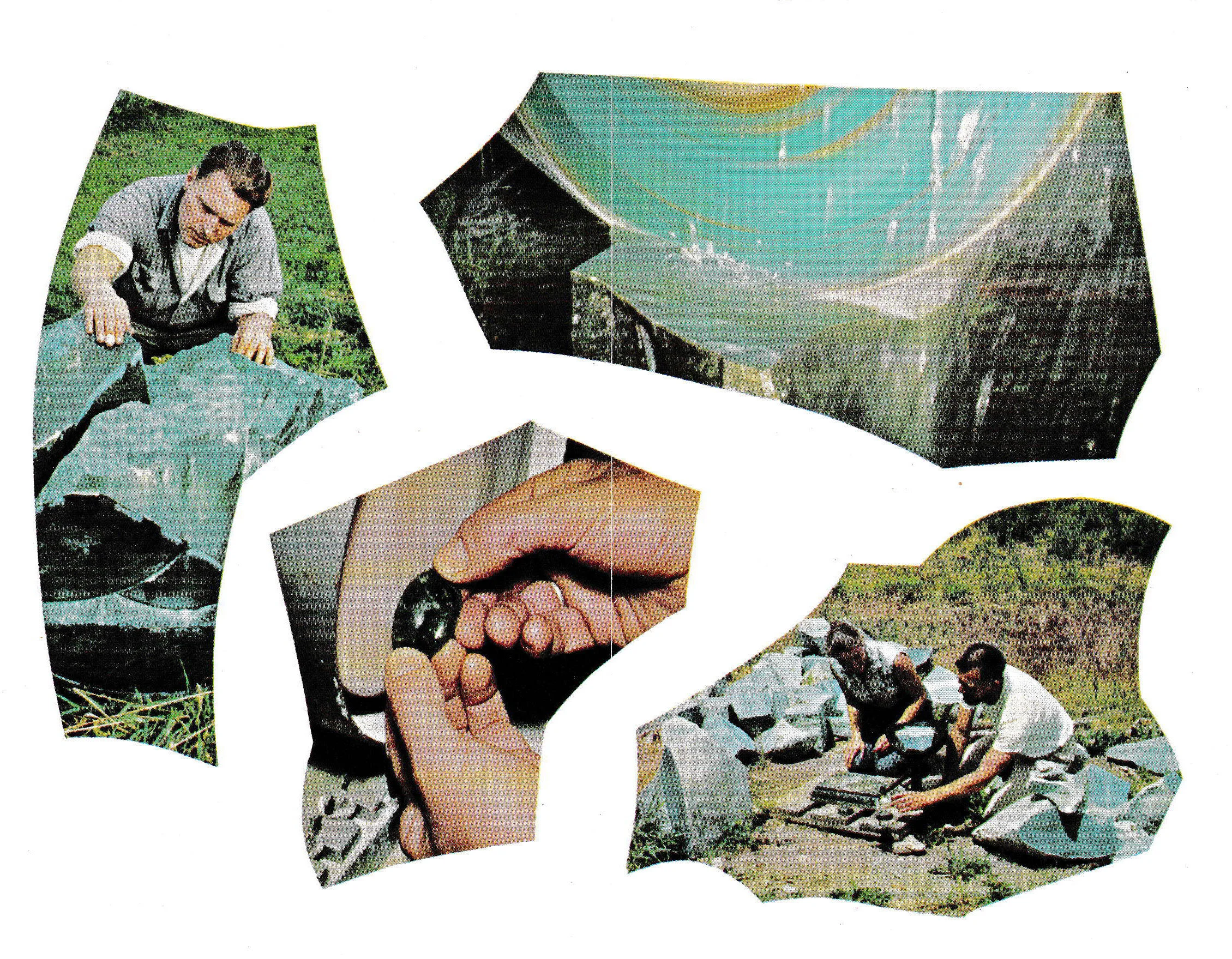
It took well over a century but the hardy Chinese miners who helped to carve a province from wilderness enjoyed the last laugh.
Today, decades later, thousands of recreationists throughout British Columbia are participating in a modern-day boom in their eager search for that once derided ‘green gold,’ jade.
Today’s prospector are called rockhounds but the name of the game is the same—the thrill of the hunt and the pride of achievement that comes from transforming a piece of stone into a beautiful gem.
Read MoreThe big news story of the day was the forthcoming municipal elections. A.C Aitken had been nominated for the reeveship of the Municipality of North Cowichan by incumbent A.A.B. Herd (said to have been a surprise) and Thomas Pitt was returned by acclamation to the mayor’s chair in Duncan for a third term. All the aldermanic seats of both municipalities and those of school trustees and police commissioners were up for grabs by incumbents and newcomers.
Read More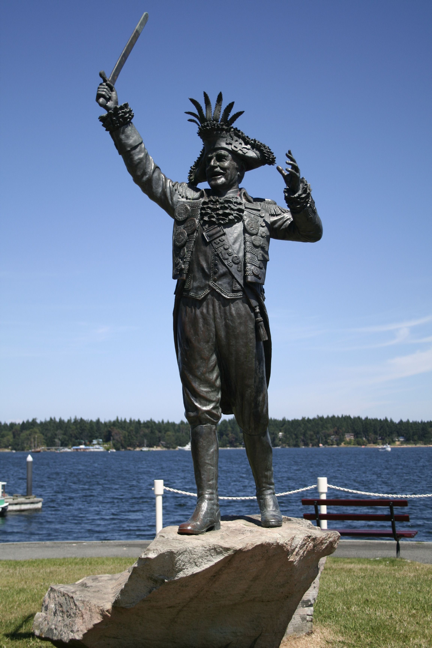
For years I’ve been a devoted fan of garage sales, flea markets and thrift stores, always on the lookout for the useful, the exotic and the unique—as I define the terms.
One of my more outstanding treasures turned up in a community 'free store' on Gabriola Island years ago. It’s a framed colour photo of a church memorial window. Not in itself a real turn-on for me.
But that changed when I read the penned caption. It identified the window as a memorial for Michael F.A.Ney, RCN. RCN, of course, stands for Royal Canadian Navy.
In that long-ago age before COVID-19, when friends could safely get together to greet the New Year, they did just that. To celebrate New Year 1921, according to The Leader headline, the Duncan Volunteer Fire Brigade and 300 “friends” ushered out the old year and welcomed the new with “the noisy clarion of cow bells, the throwing of coloured serpentines and the singing of Auld Lang Syne”.
Everyone present, it was reported, was out to have a good time and their wish was certainly granted, the Opera Hall having been decorated for the occasion with coloured paper and green branches, while at one of the exits were hung a Roll of Honour, with the names of all the Volunteer Firemen who’d enlisted during the war, and a framed picture of former members of the Fire Brigade.
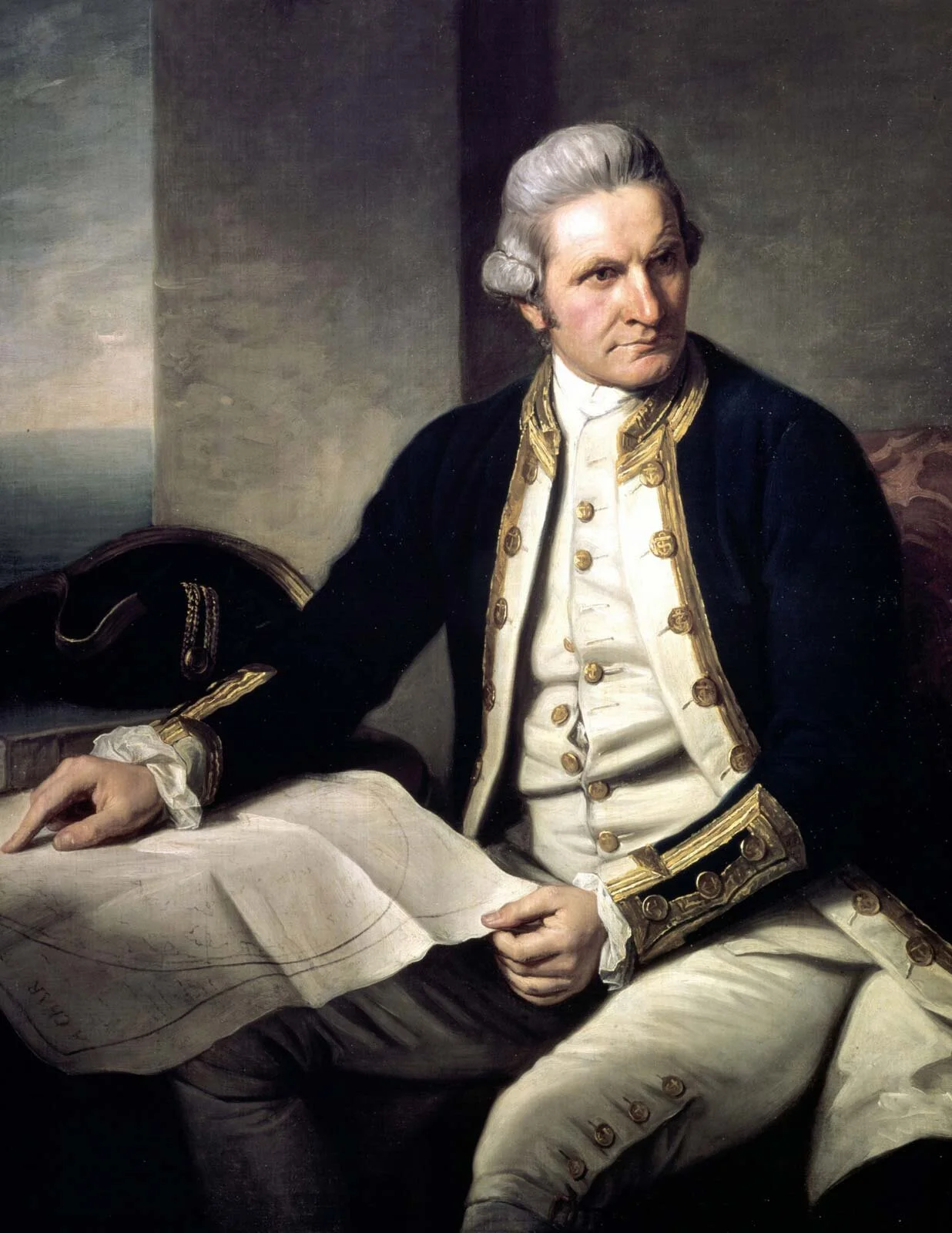
It should go without saying that we live in a world of constant change.
One of those changes is profound, even in a world besieged by pandemic.
I’m referring to the recent tsunami wave of consciousness of our colonial past. For Americans, it’s acknowledging a groundswell of resentment for more than two centuries of mistreatment of indigenous and black people. Even the Confederate flag, revered by millions, has come into disrepute.
Falling between Christmas and New Year’s, this issue of The Leader was light on hard news.
First up was North Cowichan Council which had met on the 27th for their last time of the year. Clrs. Hilton and Smith announced that they weren’t going to run for re-election.
The annual general meeting of the Cowichan Creamery Co-op was the big news story of the day for the Christmas edition of The Leader.
92 members and 32 non-members were present in the Knights of Pythias Lodge room to discuss financial and directors’ reports, one of which was that farmers should expect no discounts when buying farm machinery.
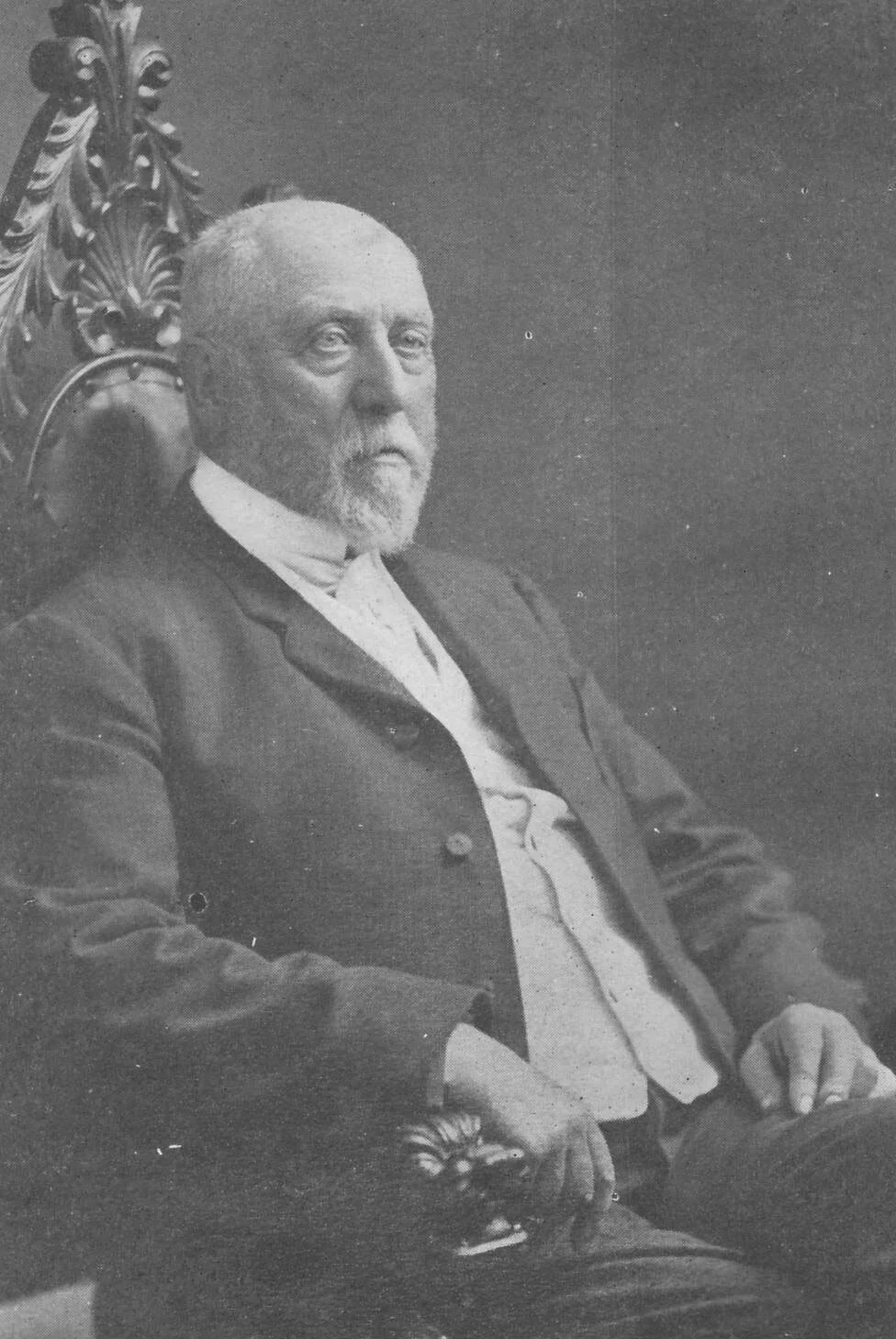
On the 22nd day of December, 1860, nearly forty-four years ago, I sat in the editorial rooms of the Colonist office on Wharf Street preparing a leading article. Mr. DeCosmos, the editor and owner, had contracted a severe cold and was confined to his room at Wilcox’s Royal Hotel, so the entire work of writing up the paper for that issue devolved upon me.
Read MoreThe lead story for this edition of The Leader is, in my mind, Au Revoir, a tribute to the departing Dr. Watson Dykes who was off to England for further study.
A century ago, Dr. Dykes had achieved almost legendary local status as a doctor and chief medical officer for the Cowichan Valley. He it was who’d guided residents through the horrors of the Spanish ‘Flu epidemic of 1918-19, to name but one of his many accomplishments.
Today, he’s almost of mythic status—a doctor whose shingle read, ‘Open All Hours.’ Can you believe it, a doctor on call around the clock? He also put up much of the money for the King’s Daughers’ Hospital’s x-ray machine with the proviso that returned servicemen were charged half-price.
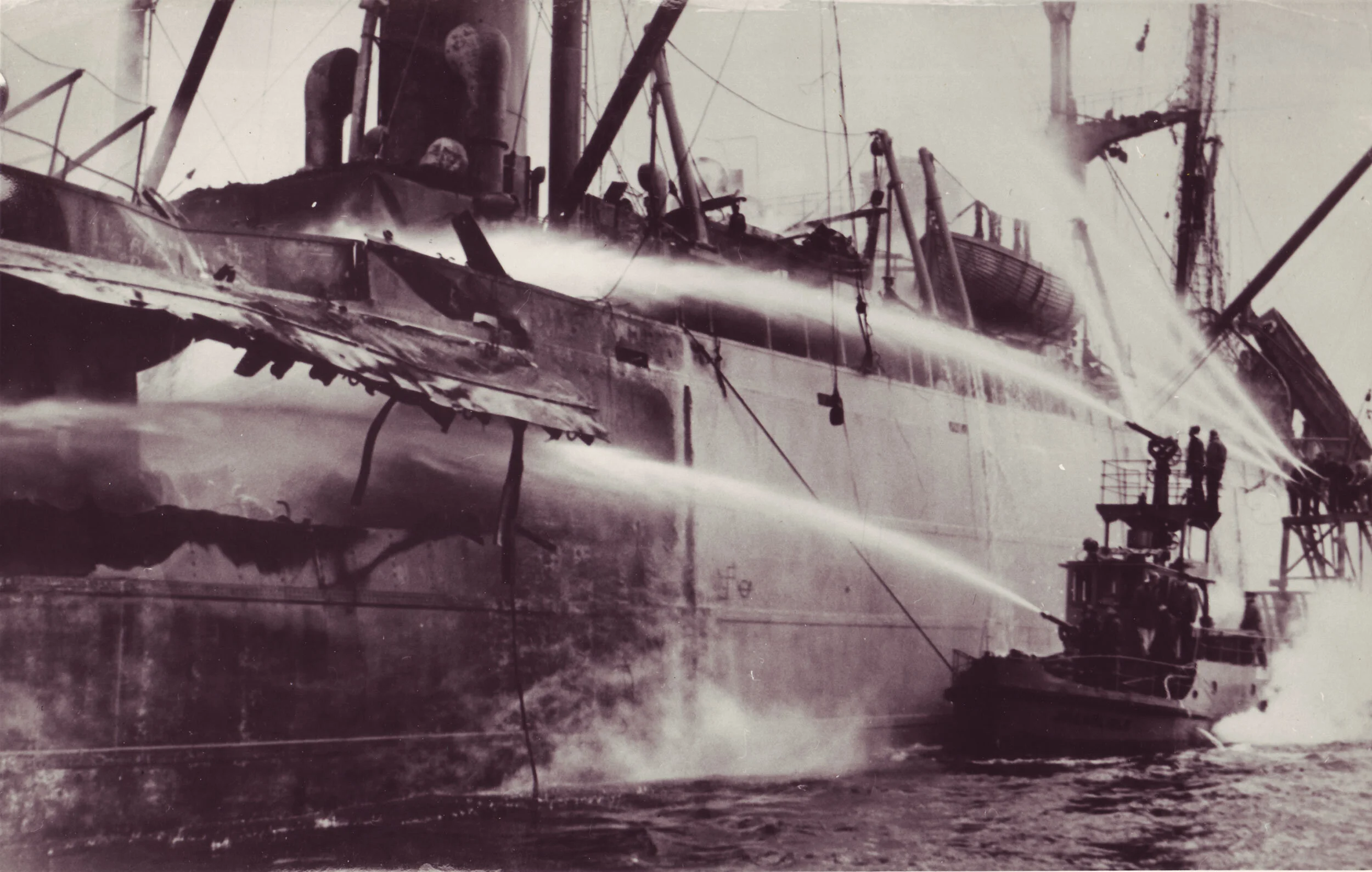
Our own west coast claim to a momentous maritime tragedy, the 1945 explosion of the steamship S.S. Greenhill Park in Vancouver Harbour in March 1945. 2020, of course, marks that tragedy’s 75th anniversary.
Read More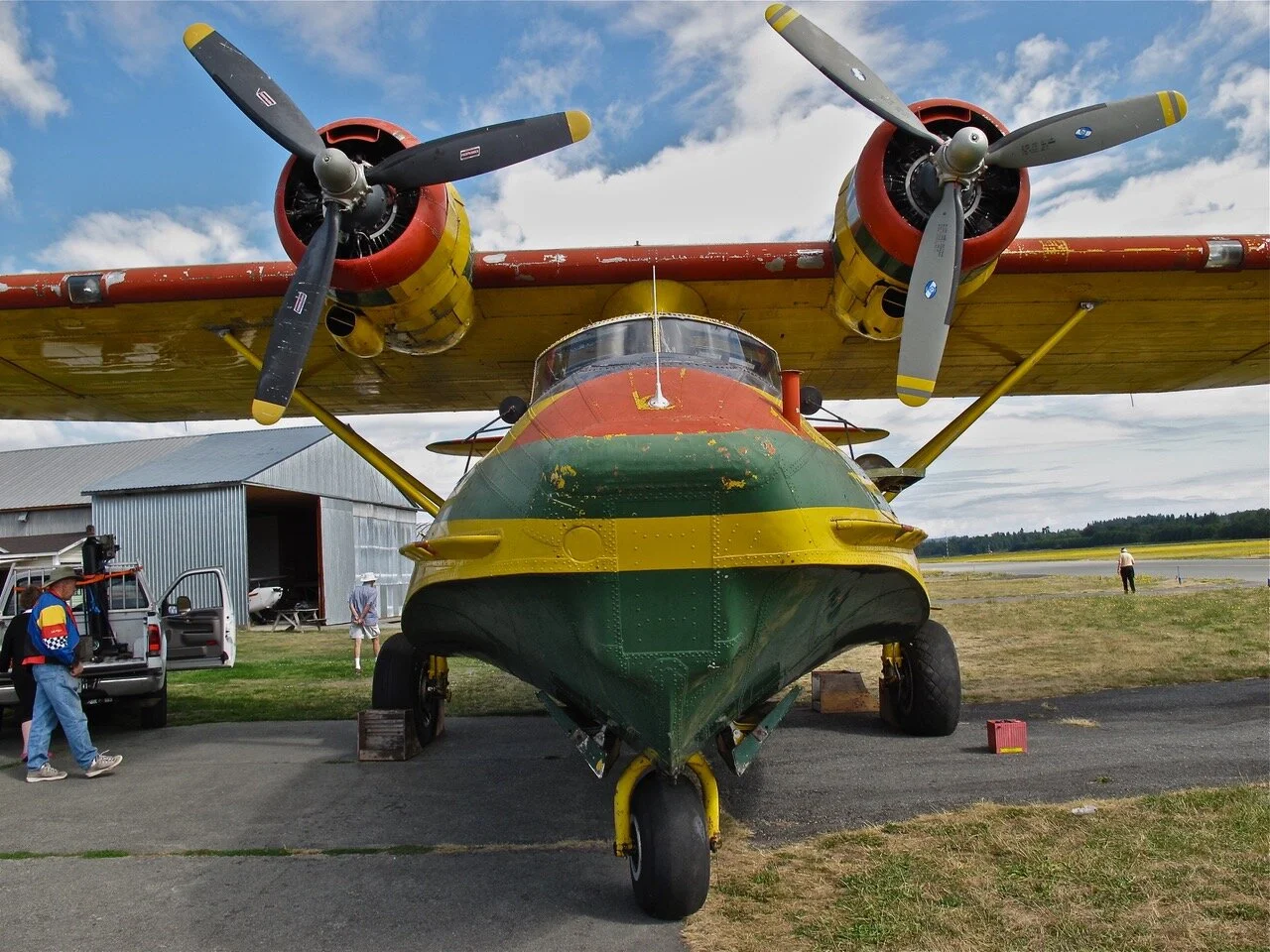
At the time—Oct. 1, 1951—the crash of a Queen Charlotte Airlines Canso on Nanaimo’s Mount Benson was the worst aviation accident in British Columbia history. It’s now the 18th which shows you how far we’ve come in 70 years.
Although I’ve always been fascinated by old aircraft and plane wrecks are a natural extension of that interest, I’ve only managed to get to a few over the years. The one on Mount Benson, six miles west of Nanaimo, is the one that has intrigued me most of all. I first heard of it as a kid and was reminded of it in the mid-1970s as I came out of a north Nanaimo department store and saw the sun glinting on something on the southeast face of Mount Benson.
We begin with the Kings Daughters which had held a successful sales event in the Agricultural Hall—so successful that it had attracted numerous male customers, said to be novelty. Among the draws was Mrs. Robinson’s “prettily arranged” handkerchief stall (always a favourite with men, particularly at Christmas, I’m sure!)
“Time and Talent” was the name of a stall selling what were said to be the result of the ingenuity of Mrs. Leather and the Misses Rice and Simpson. Cakes, pies and fancy biscuits were provided by the ladies of the ‘Look-Out Circle’ and Miss Dove drew the children to her so-called bran tub.
As did Mrs. MacGregor with her impression of Mother Goose.
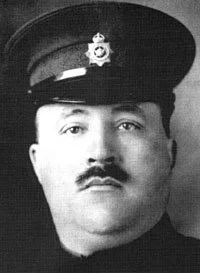
“Reporter packed a heater on the police beat,” is the sensational headline of one newspaper article about the legendary British Columbia journalist B.A. ‘Pinky’ McKelvie.
Other than the gang shootings in recent years, which seem to have died down now, it’s almost beyond our comprehension in this day and age that a newspaper reporter who covered the crime beat in Vancouver a century ago would pack iron.
The big news of the day, of course, was the provincial election.
Incumbent Kenneth Duncan, running as an Independent, had shaved Conservative opponent George Cheeke by 113 votes but, at the time of The Leader going to press, the full provincial results weren’t known.
All of which made the two article dealing with Cheeke’s and Duncan’s last appeals to voters after-the-fact.
At the Opera House, O.T. Smythe had enlivened the discourse with his colourful tirade against what he termed Liberal mudslinging. His “Groveling in a mud hole of scurrility and slander” was one of The Leader’s favoured expressions.
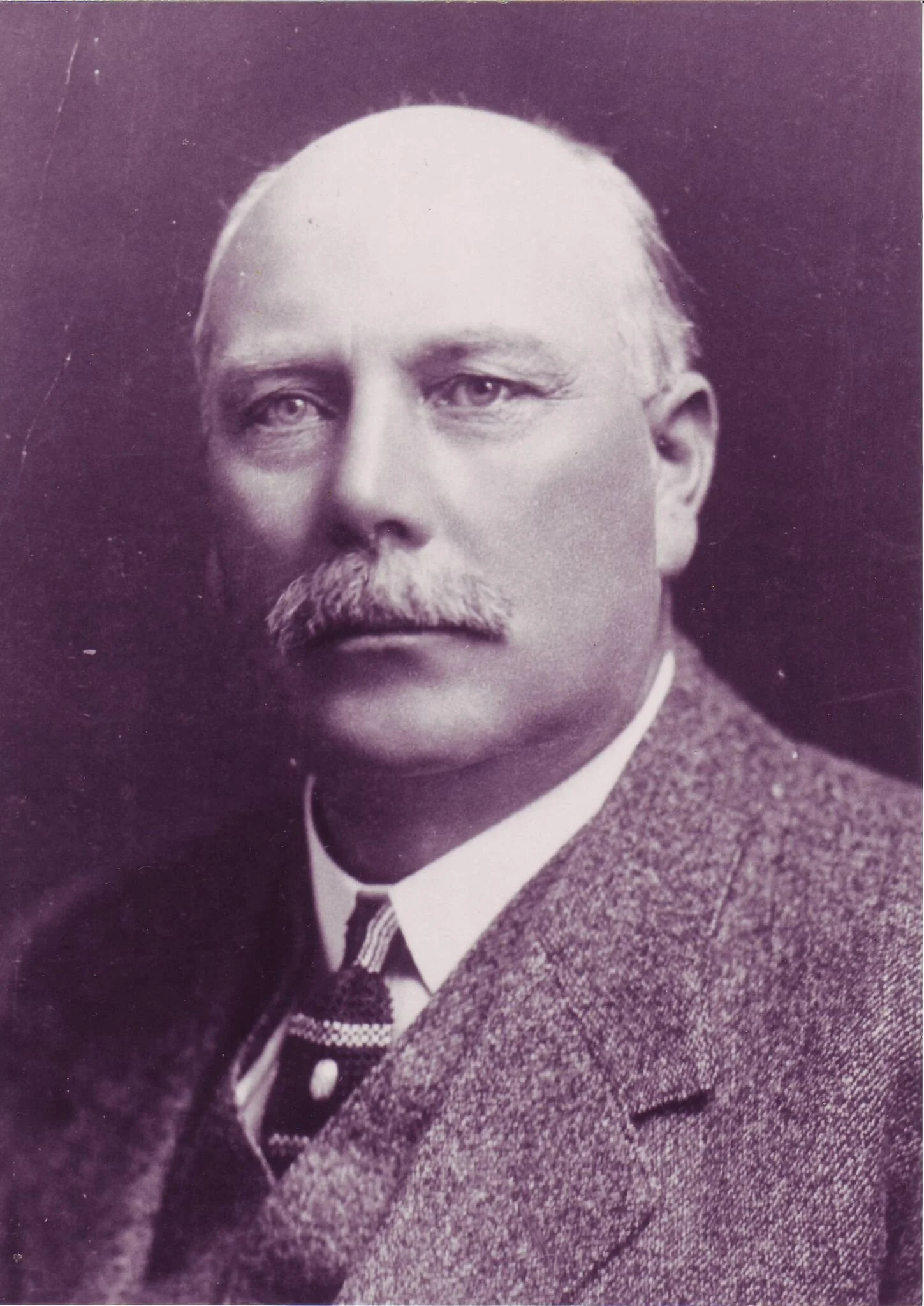
We have, over the past several weeks, been reading Charles Herbert Dickie’s memoir, Out of the Past, that related his adventures as a
● Sheriff in Michigan
● Labourer and hobo in California
● Fireman and conductor on the Esquimalt & Nanaimo Railway, Victoria
● Hotelier in ‘Duncans Station’ and successful investor in Cowichan’s Mount Sicker copper mining boom
● Disenchanted Member of the Legislature for a single session
● Disappointed prospector in northwestern British Columbia
● World traveller
● And, finally, for three terms, Member of Parliament.
That’s quite a resume for any one man!
Read MoreWith an approaching provincial election it was all about politics, a century ago. Over half of the front page of The Leader was dedicated to speeches by incumbent Independent candidate Kenneth Duncan and the leader of the opposition, Conservative William Bowser, who was on a barnstorming visit.
Let’s begin with Bowser who’s best remembered for his role as attorney-general during the Great Strike by coal miners, 1912-14. By 1920 he’d succeeded Sir Richard McBride as leader of the party and was in town to support the local candidate, Cobble Hill’s George Cheeke.
We’ve been following Charles Herbert Dickie’s memoir Out of the Past.
Last week we accompanied him on his almost round-the-world voyage as he recharged his mental battery after the stress of seeing the money he’d made from the sale of his shares in the Tyee copper mine on Mount Sicker all but disappear in unsuccessful mining ventures in the Stewart River area of northwestern British Columbia.
Ever the optimist, although he lost his money and changed careers, he never did lose the mining bug.
Another industrial accident, this one on the Canadian National Railways (formerly the Canadian Northern Pacific Railway) bridge over the Cowichan River, was the headline story for this week. Bridgeman Daniel McSherry had died in the Duncan hospital, hours after he was rushed to town by speeder and an ambulance. The single, 49-year-old Ontario man was crushed and “scorched” when the derrick, apparently overloaded, toppled over onto its side, crushing and burning him with its steam boiler.
Read More
(Stressed and worn out by his unsuccessful mining explorations in B.C.’s northwest, Charles Dickie embarks upon a long sea voyage to recuperate. Readers, please note: Dickie was a man of his times and not above disparaging other races and ethnicities. I am letting him speak for himself at the risk of offending some Chronicles readers.—TWP.)
Read More