(Conclusion)
“Any way you look at it, we just shouldn’t be here.
“We should be a little cloud of smoke somewhere between Thunder Bay and Winnipeg...”
Read More
*British Columbia Chronicles special bonus section for Members Only.*
(Conclusion)
“Any way you look at it, we just shouldn’t be here.
“We should be a little cloud of smoke somewhere between Thunder Bay and Winnipeg...”
Read More(Part 2)
The Sun thought it was “The dumbest, silliest and most wasteful commemorative stunt in the whole hundred years of B.C. history within Confederation that it commemorates.”
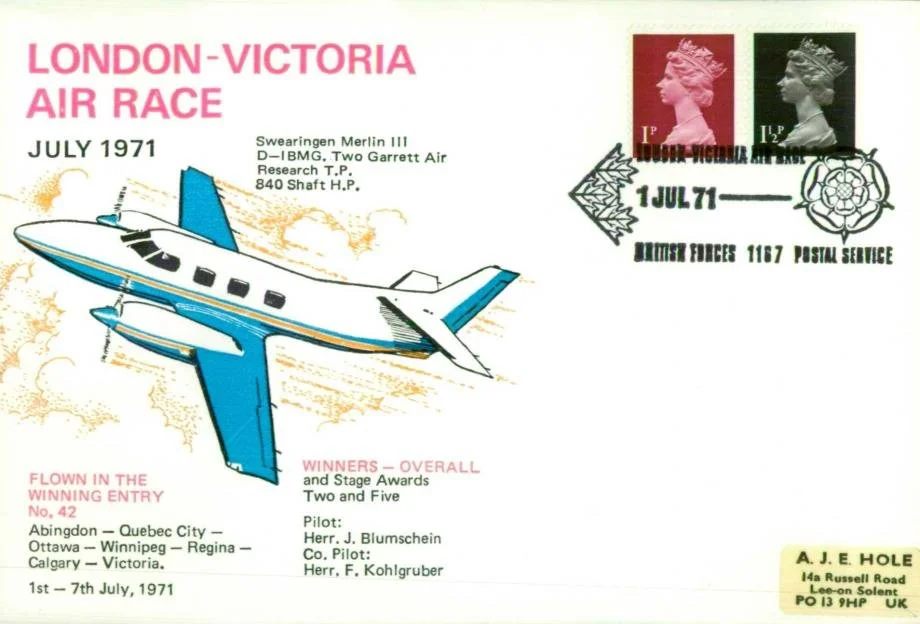
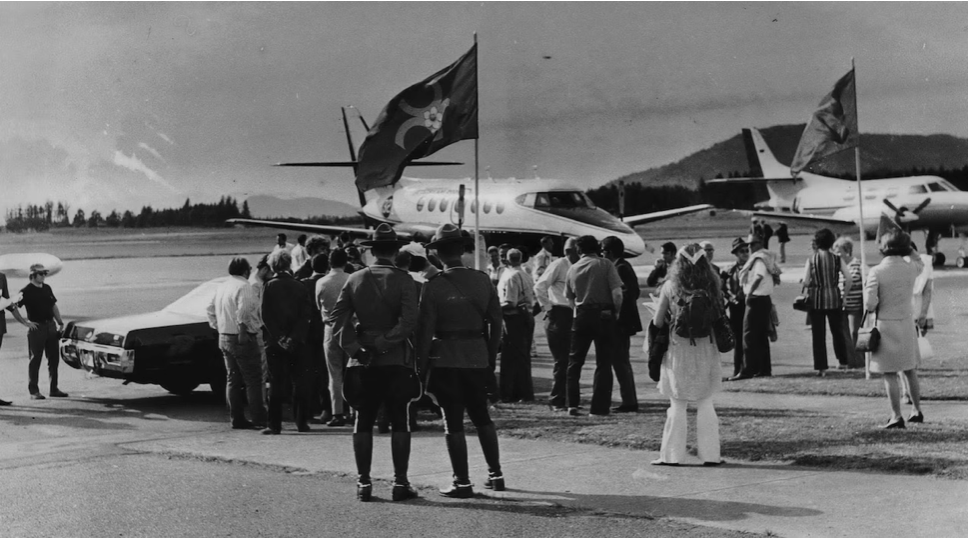
The Vancouver daily was referring to the “nutty idea” of a proposed London-to-Victoria air race to be held in July 1971 to celebrate the centenary of BC’s joining Confederation.
Read MoreI bet few Chronicles readers, even those who were around at the time, remember this Centennial event of 55 years ago.
I also bet some Chronicles readers are scratching their heads—we had a centennial in 1971? Wasn’t it in 1958?
Of course, we had a centennial celebration in 1958; that’s when British Columbia celebrated its 100th year as a province. In 1971, we marked our joining Canadian Confederation.
Read MorePlease bear with me. It's that time of year again. You know, when one day it's searing hot (just over a week ago, remember?) the next, someone turns a switch and—wham—it's fall... Autumn. Too early for frost or heavy dew on your windshield, and the sun still shines, but the furnace starts to come on and you know it’s over.
The time of year that, besides putting me to work cleaning my roof and gutters, raking leaves, and all those good things associated with preparing for winter, I become reflective.
Is it just me, or is this a natural, yearly twinning of season and mood change prompted by the first falling of leaves and the withering away of summer and all its happy associations of the beach, barbecues on the sundeck, etc.?
Read MoreThey were as unholy a pair as ever bedevilled a police department.
Notorious for their chosen calling, the whisky-selling Livermores, known respectively as Liverpool Jack and Whisky John, became courtroom regulars during their short careers.
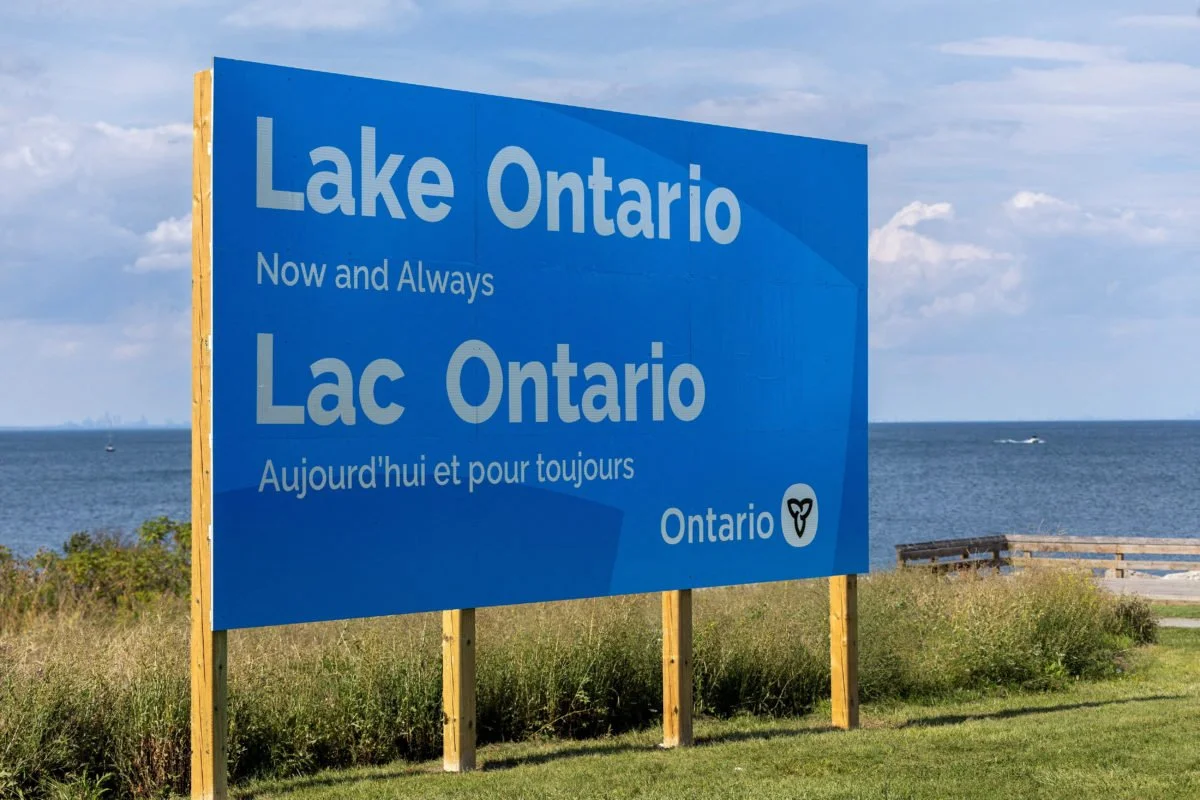
Read MoreYou’ve seen it in the news: US President Trump has signed an executive order. Lake Ontario is now Lake America.
With the stroke of the presidential pen, a 400-year-old geographical name bites the dust!
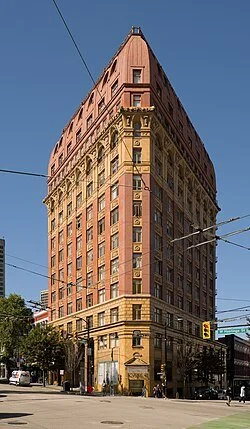
Read MoreIt’s almost amazing that the Dominion Building ever survived as one of Vancouver’s most iconic heritage landmarks.
If you go by the old newspaper stories and their accounts of the tragedies behind its genesis, the Dominion Trust Co., you’d almost think it was cursed!
Read MoreVictoria hasn’t always been our capital city. Even before New Westminster’s short-lived reign as the capital of the crown colony of mainland BC—Vancouver Island was a separate entity—there was another contender: Derby.
Established on the original site of Fort Langley, Derby was conceived in the summer of 1858 by a land speculator. In September the Victoria Gazette reported that James H. Ray had “pre-empted” 1,200 acres near Fort Langley and was in the process of dividing them into town lots.
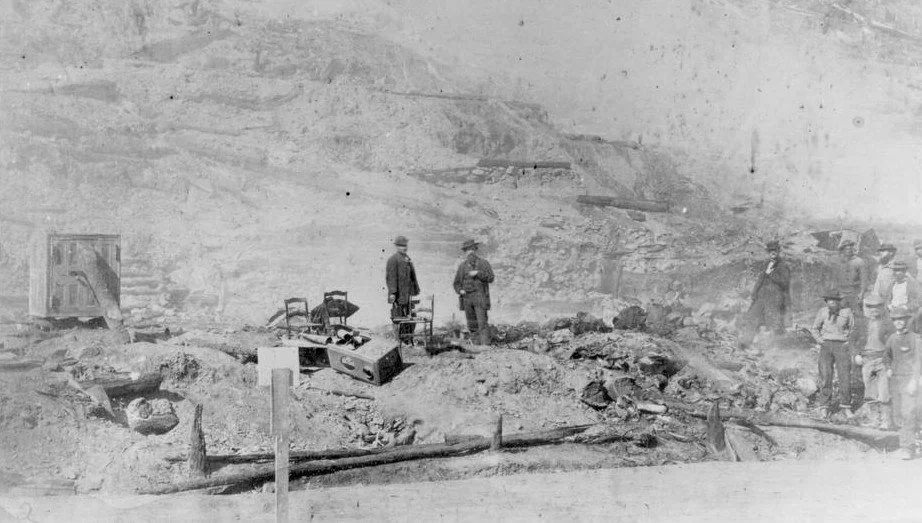
Read MoreFire.
This was the single greatest threat common to all BC frontier communities.
More than flood and famine, more than the threat of epidemic, fire haunted the minds of those who valued their lives and their property.
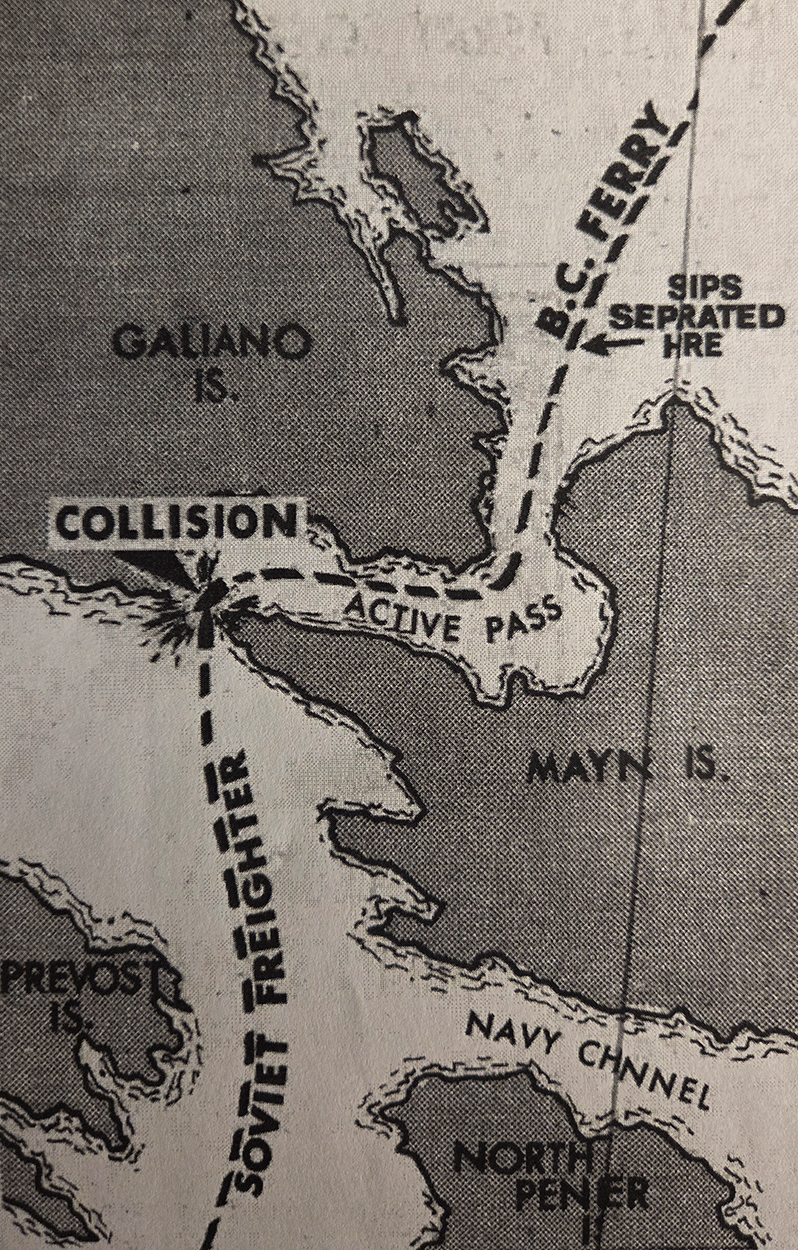
Read More“Oh, my son, I lost my son.”
Such was the heart-breaking front-page headline of the Aug. 3, 1970 Vancouver Sun, published the day after the BC ferry Queen of Victoria and the Russian freighter Sergey Yesinen met in a deadly, noon-hour crash in Active Pass.
Read More(Conclusion)
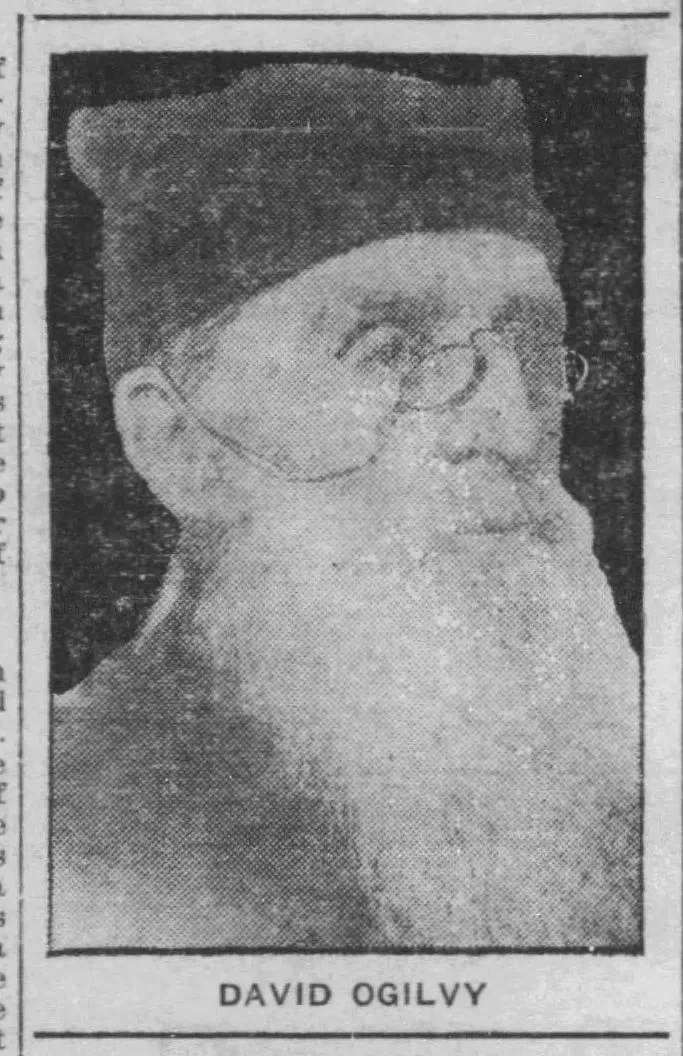
After conquering Mount Baker, he’d been off to the gold fields of Cariboo. Although early accounts of his excursions to San Francisco, and his stays in Victoria’s leading hotel, the Driard, would indicate that he was successful, Ogilvy later told the Colonist that he’d never “made money.”
For that matter, he said that he had never really wanted to strike it rich; all money meant to him was giving it to charity.
By the time Ogilvy was 82-years-old, he was showing his age.
Read More(Part 1)
“David A. N. Ogilvy was an old man who had done only one thing of much public importance in his life and who had gloried in that single event through years of insignificance.....”
How Cruel!
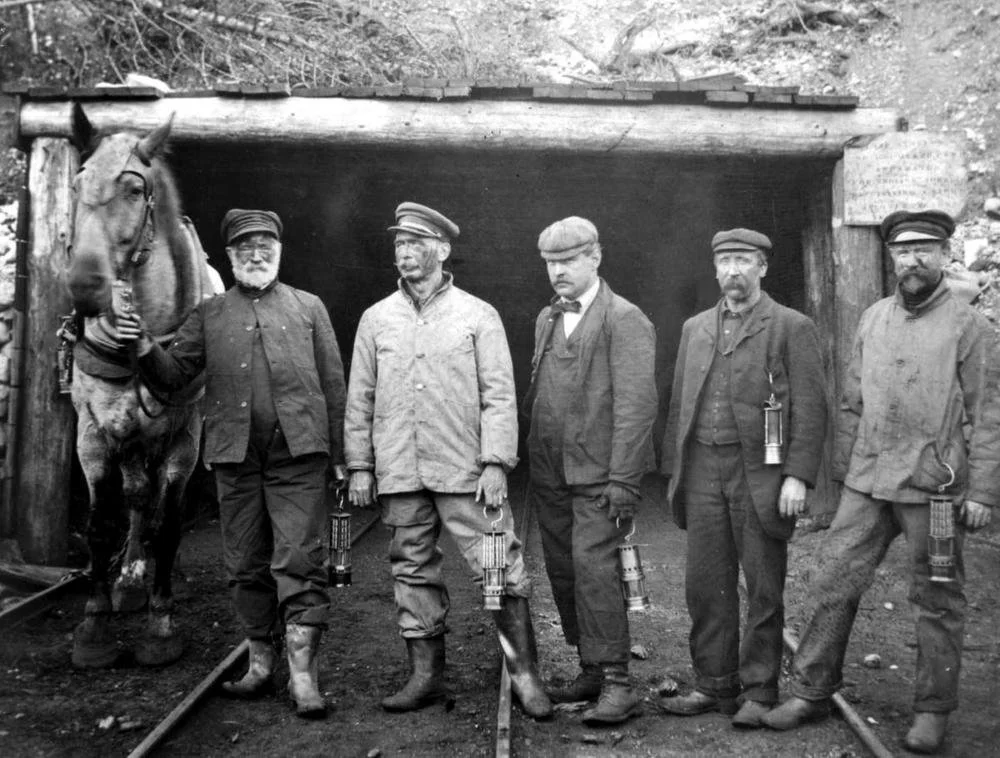
There’s no denying that, after most of a lifetime of researching and writing about BC history, the fascinating, rich and tragic story of coal mining has become my favourite subject.
And, because the Greater Nanaimo area, which was home to some of the Island’s greatest coal mines, is also in my backyard, so to speak, that’s where I’ve focused my attention.
Read MoreIn this brave new world of AI, the world needs more copper.
More copper, in fact, than is known to remain in the ground, untapped, after centuries of wholesale extraction!
What to do?
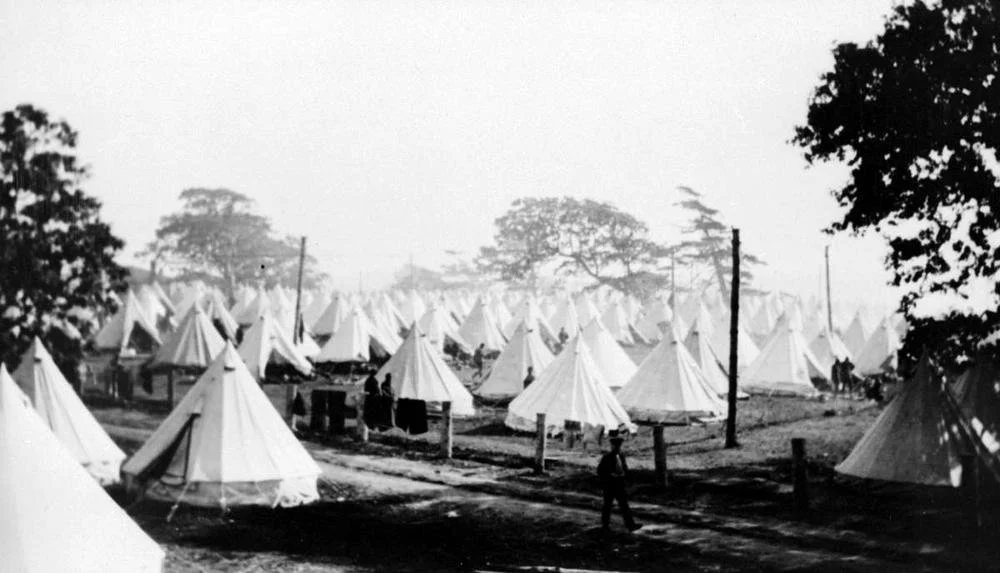
Read Moreoday, it’s William Head Institution, a minimum-security prison, located at the outermost reach of the District of Metchosin. It’s prime waterfront real estate.
Originally, these acres served as western Canada’s quarantine station. Every ship headed for Victoria, Vancouver or other BC ports, had to stop here so that passengers and crews could be examined for infectious diseases.
Read MoreHad Friends In High Places
(Conclusion)
Alleged murderer Mr. Kelly, it seems, wasn't just an ordinary desperado; he had friends. Important friends. And when they were through pulling strings, creating smokescreens and calling names, B.C. authorities were sorry they'd ever heard of the leering Irishman.
This evil letter appears on the maritime casualty lists with unnerving frequency.
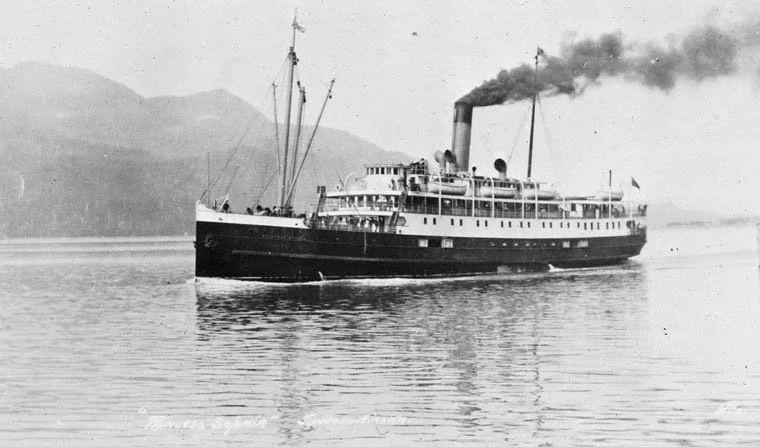
Andalusia, Coolcha, Hera, Rosalia, Walla Walla, Princess Sophia: fishpacker, tugboat and ocean-going liner—from the humble to the mighty—each had at least two things in common: their names ended in the letter ‘a’ and each encountered disaster on the high seas.
Read More(Part 1)
Had Friends In High Places
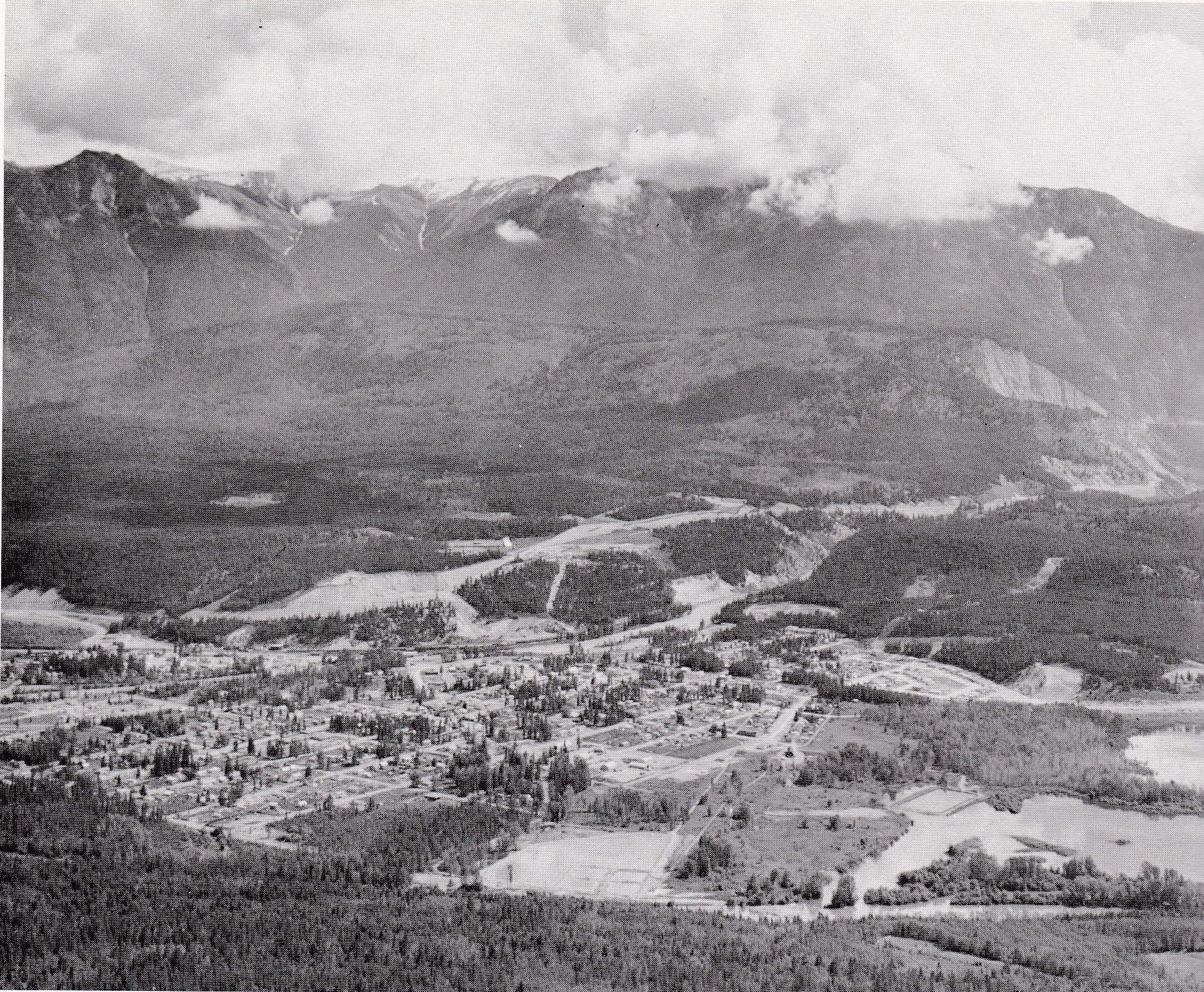
It would take little less than a full-fledged miracle to uncover a murderer's loot cached near the town of Golden, British Columbia, but if a treasure hunter could match painstaking research with phenomenal luck, he might find himself $4,500 (actually much more at today's values) richer.
They’re among those indelible imprints of childhood, now just fleeting wisps of memory, ghosts even, from what is rapidly becoming the oh, so distant past. The strongest goes back to my family’s brief tenure in Parksville.
Read MoreHow many British Columbia communities commemorate a murderer?
Here is irony at its best. Legions of men and women who spent their lives working and contributing to the building of this province have faded into history and are forgotten. But at Gray Creek, on the north shore of Kootenay Lake, a fancy signboard marks the site of Henry Rose’s cabin. Only the chimney remains and it has become a popular geocache site.
Read More