Fire.
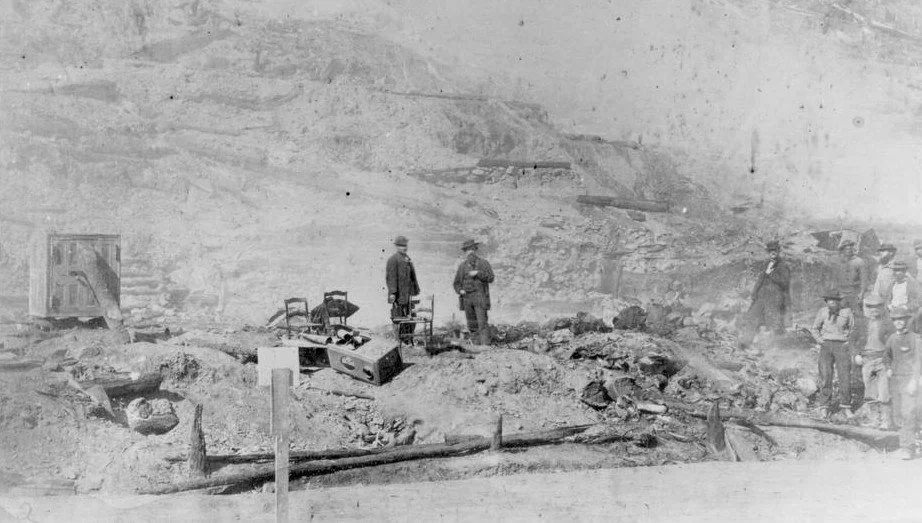
This was the single greatest threat common to all BC frontier communities.
More than flood and famine, more than the threat of epidemic, fire haunted the minds of those who valued their lives and their property.
Read More
*British Columbia Chronicles special bonus section for Members Only.*
Fire.
This was the single greatest threat common to all BC frontier communities.
More than flood and famine, more than the threat of epidemic, fire haunted the minds of those who valued their lives and their property.
Read More“Oh, my son, I lost my son.”
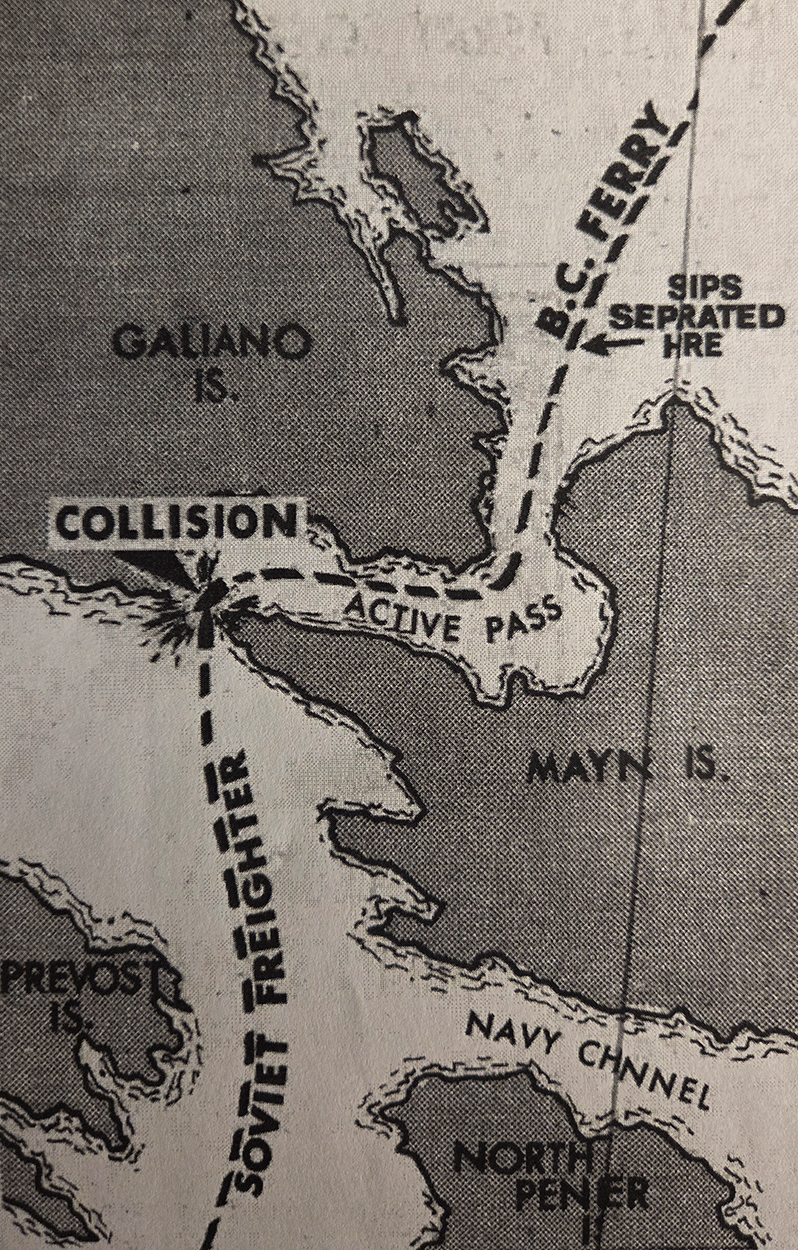
Such was the heart-breaking front-page headline of the Aug. 3, 1970 Vancouver Sun, published the day after the BC ferry Queen of Victoria and the Russian freighter Sergey Yesinen met in a deadly, noon-hour crash in Active Pass.
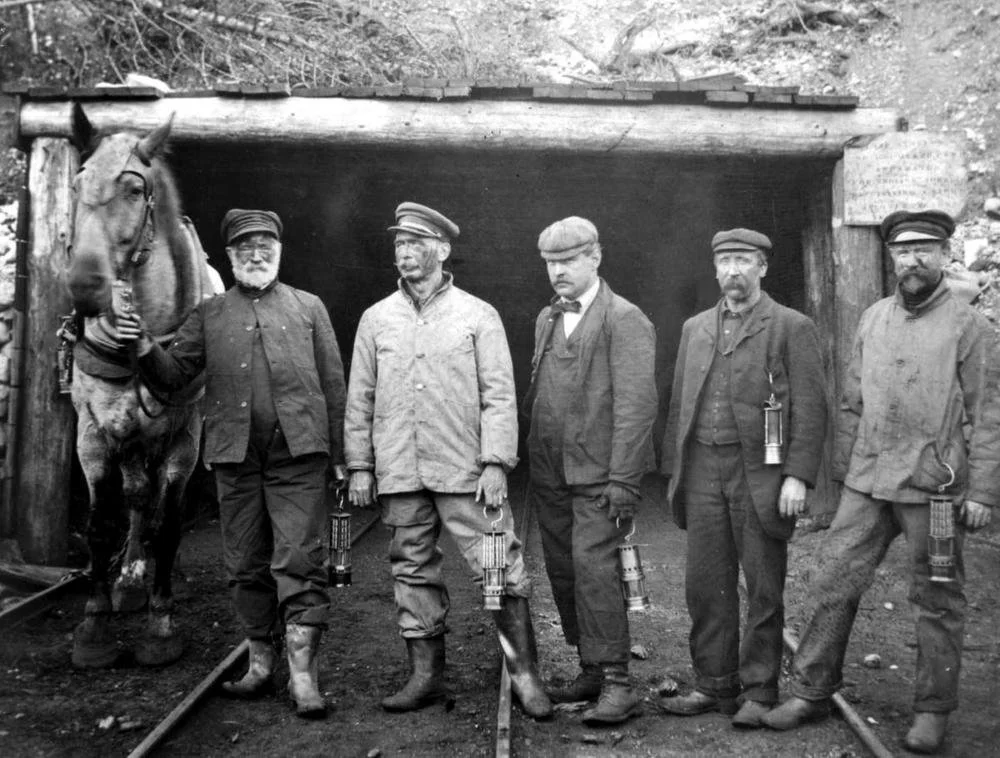
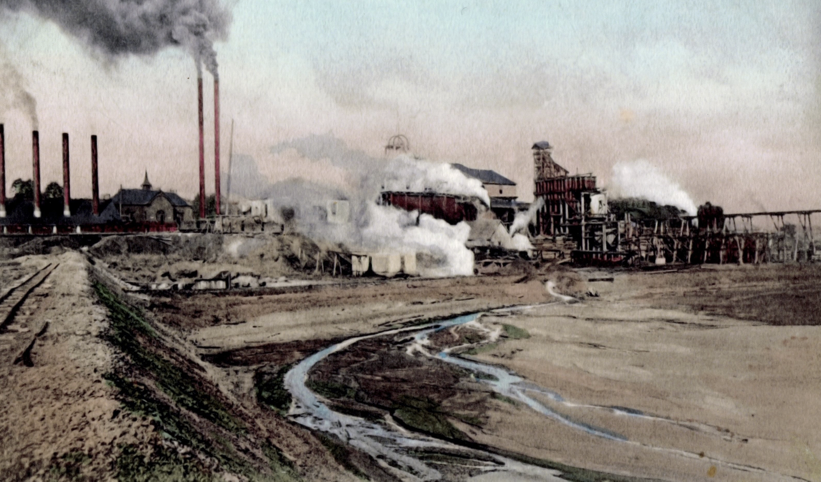
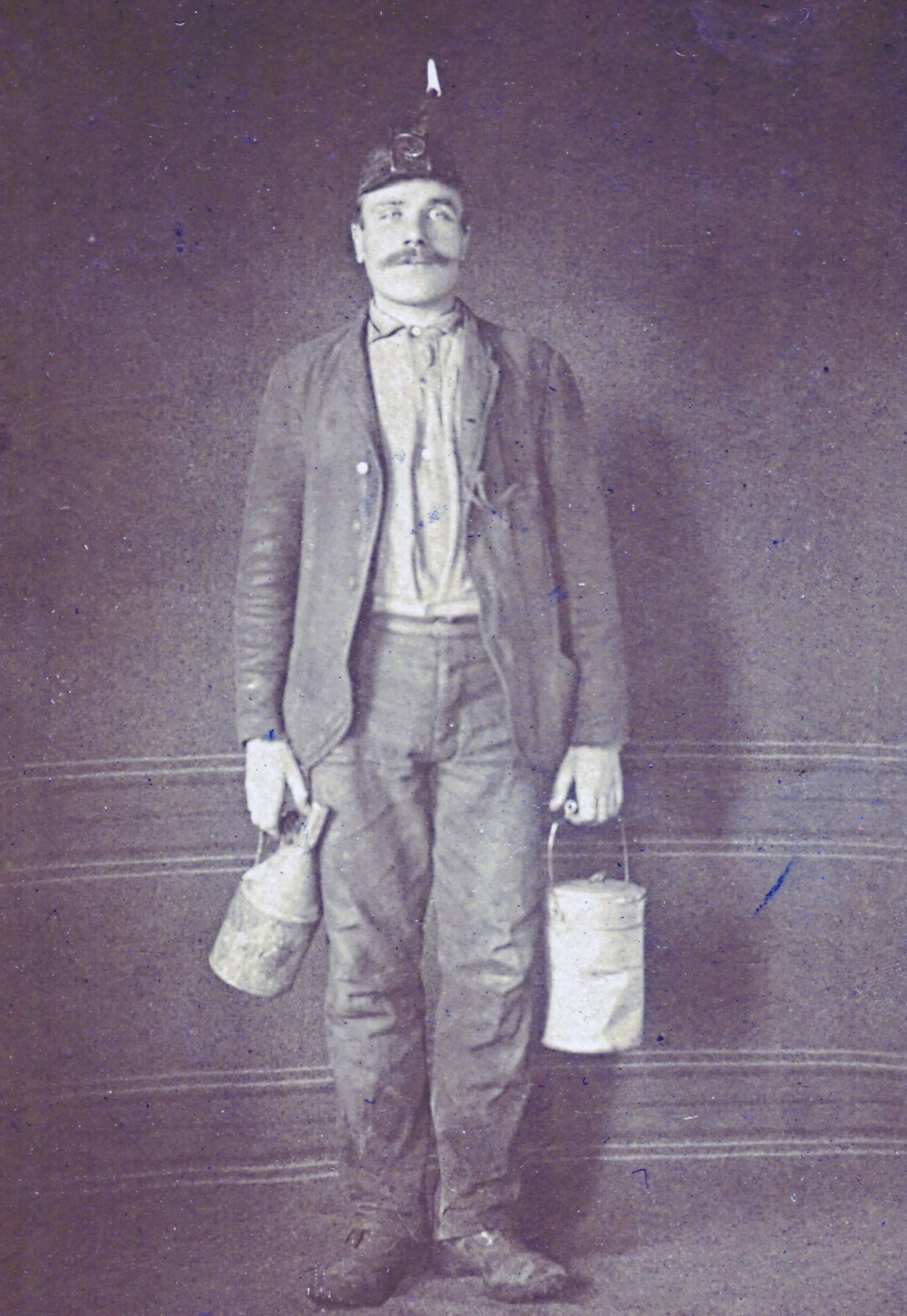
Read MoreThere’s no denying that, after most of a lifetime of researching and writing about BC history, the fascinating, rich and tragic story of coal mining has become my favourite subject.
And, because the Greater Nanaimo area, which was home to some of the Island’s greatest coal mines, is also in my backyard, so to speak, that’s where I’ve focused my attention.
Read MoreThis evil letter appears on the maritime casualty lists with unnerving frequency.
Andalusia, Coolcha, Hera, Rosalia, Walla Walla, Princess Sophia: fishpacker, tugboat and ocean-going liner—from the humble to the mighty—each had at least two things in common: their names ended in the letter ‘a’ and each encountered disaster on the high seas.
Read More(Conclusion)
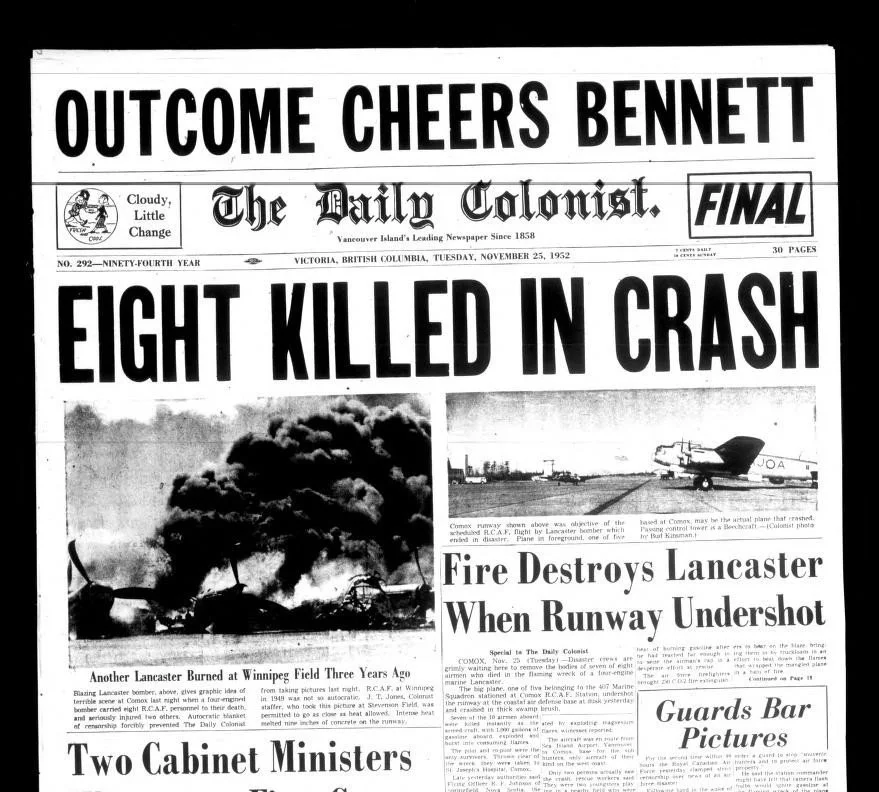
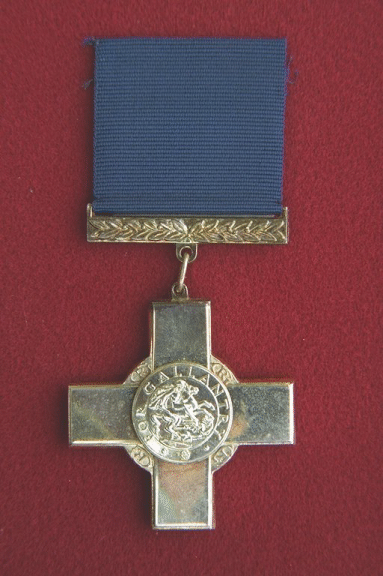
Last week, I introduced you to the George Medal, one step short of the George Cross which is the non-combat equivalent of the Victoria Cross, the highest award for gallantry in the British Commonwealth.
To date, 77 Canadians, military and civilian, have earned this distinguished recognition of valour. I’ve been trying to nail down one in particular that was awarded for heroism in the deadly crash of an RCAF bomber at Comox airbase in the early 1950s.
Read More"The KING has been graciously pleased to approve the award of the George Medal in recognition of conspicuous gallantry in carrying out hazardous work in a very brave manner."
Read More(Conclusion)
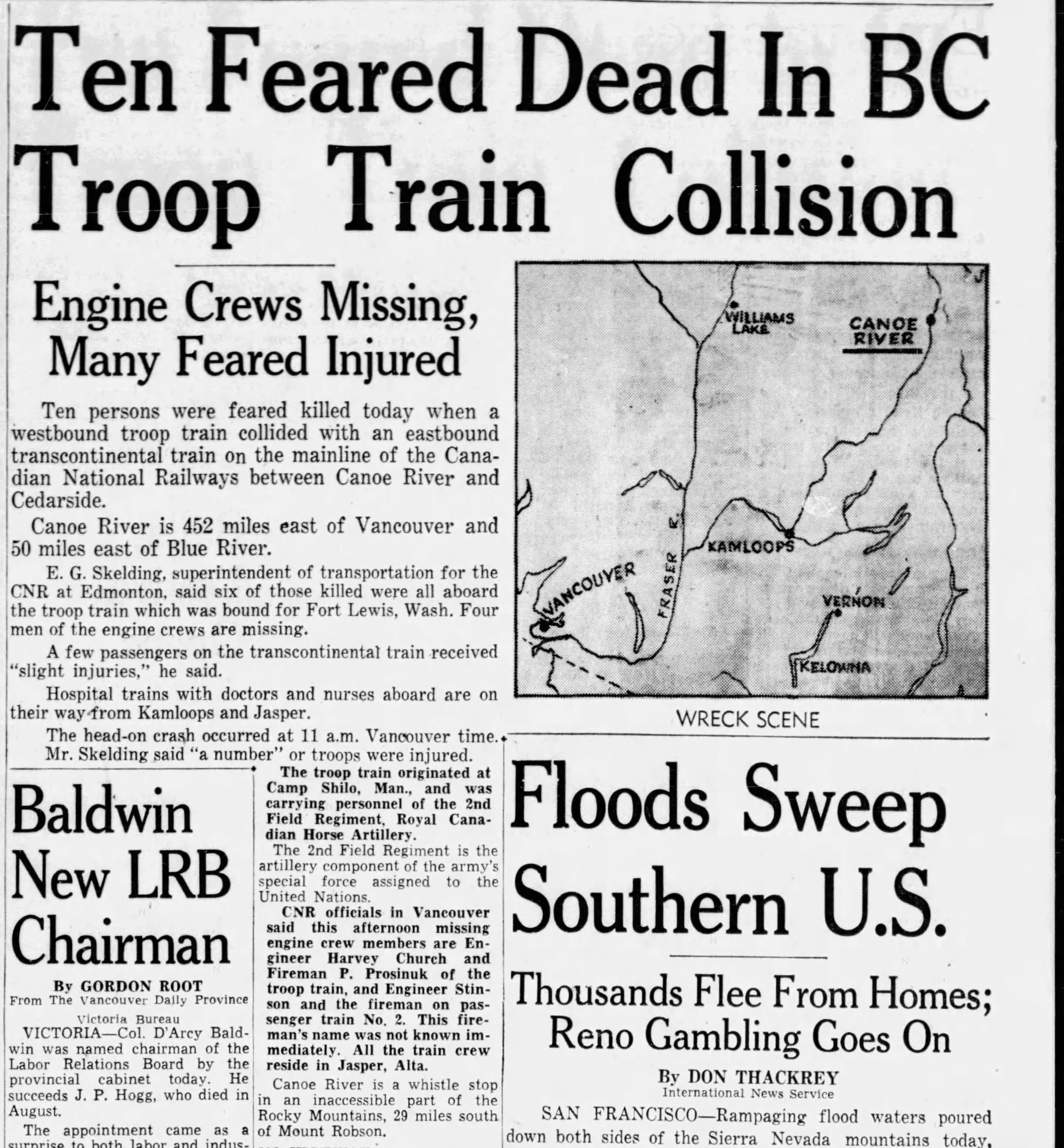
Last week, courtesy of the Nov. 22, 1950 Vancouver Province, we learned of the horrendous head-on collision in the Rockies between a westbound Canadian Army troop train and an eastbound passenger express. Today, the conclusion to this tragedy which ended up in a courtroom and, in its own way, made Canadian judicial history...
Read More(Part 1)
To railway history buffs British Columbia's second worst railway disaster is known as the Canoe River train wreck; to lawyers studying Canadian legal precedent, it's the Canoe River case.
Neither term even hints at the fact that it was the Korean War, then raging, that precipitated this tragedy...
Read More(Conclusion)
“My conscience is clear. It was no fault of mine for I did all that I should have done. The lights were on and the gates were locked.”
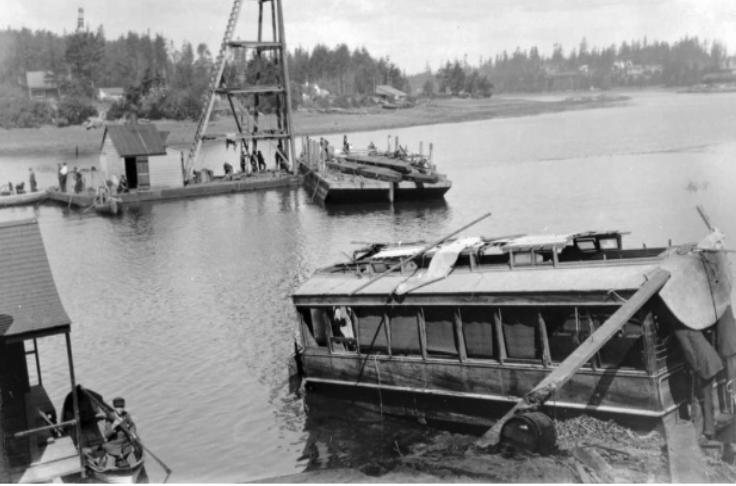
So said bridge tender Thomas Dodson, four days after one of B.C.’s worst public transit disasters in history, third only to the collapse of Victoria’s Point Ellice Bridge on May 26, 1896, and a collision between a railway car and a streetcar in November 1909 that killed 15.
Read More(Part 1)
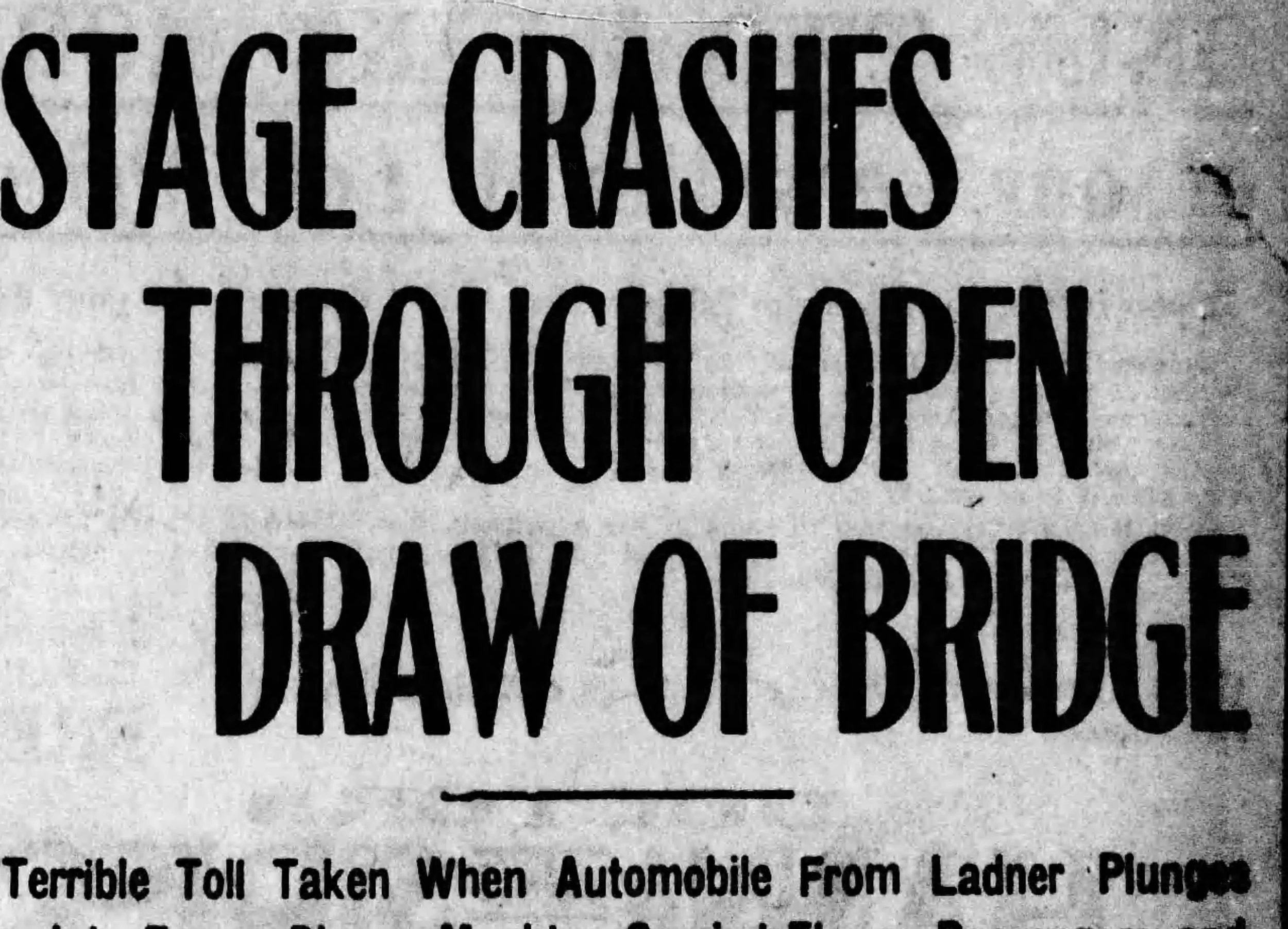
Such was one of the horrific headlines of Vancouver’s The World newspaper, Nov. 10, 1916.
Beneath the page-width banner, FOURTEEN KILLED IN B.C.E.R. WRECK, startled readers were informed that a “motor stage,” as multi-passenger forerunners to buses were defined a century and more ago, had plunged into the Fraser River with a load of passengers.
It’s one of B.C.’s worst public transit disasters in history, third only to the collapse of Victoria’s Point Ellice Bridge on May 26, 1896, and a collision between a railway car and a streetcar in November 1909 that killed 15.
Read MoreFor years in a previous lifetime I spelunked on weekends. In other words, I and friends explored caves, small, large, often wet and dirty, but sometimes breathtaking.
Which probably accounts for my particular interest is this legend of a lost cave as told by Rev. William Henry Collison, one of B.C.’s legendary missionaries among coastal First Nations. He tells the story in his fascinating memoir, In the Wake of the War Canoe (edited and annotated by Charles Lillard).
Read MoreSo soon we forget; it’s almost part of the Canadian character, it seems.
How many times have I encountered cases of true heroism, often to the point of supreme sacrifice, during my extensive historical research. But even war heroes come and go in memory; civilian heroes rising to the call at home and in peacetime rarely rate more than a momentary ripple.
Monuments? Hardly. Immortalized in school textbooks? Not a chance.
Read MoreThe date: Mar. 4, 1910.
The site: Rogers Pass.
The toll: 62 railway workers swept away or buried alive.
The legacy: the worst avalanche disaster in Canadian history.
Read More(Conclusion)
Last week, we ended the first instalment with the investigation into what was suspected to have been a bomb aboard CP Air 21 underway...
By this time the on-site examination of the wreckage was declared to be completed upon removal of items of interest for laboratory examination. These included as many pieces of the tail section as could be found having been transported for re-assembly to a vacant hangar at the Vancouver airport.
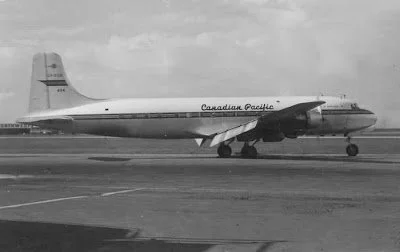
Read MoreA month short of 20 years before Air India Flight 182 was blown out of the sky by British Columbia-based terrorists, B.C had its own aerial mass murder.
Late in the afternoon of July 8, 1965, CPA Flight 21, bound for Whitehorse, Y.T. via Prince George, Fort St. John, Fort Nelson and Watson Lake from Vancouver, exploded in the sky near 100 Mile House, 170 miles northeast of Vancouver, crashing and killing all 52 persons aboard.
It’s B.C.’s worst mass murder and—unlike Air India—has been all but forgotten.
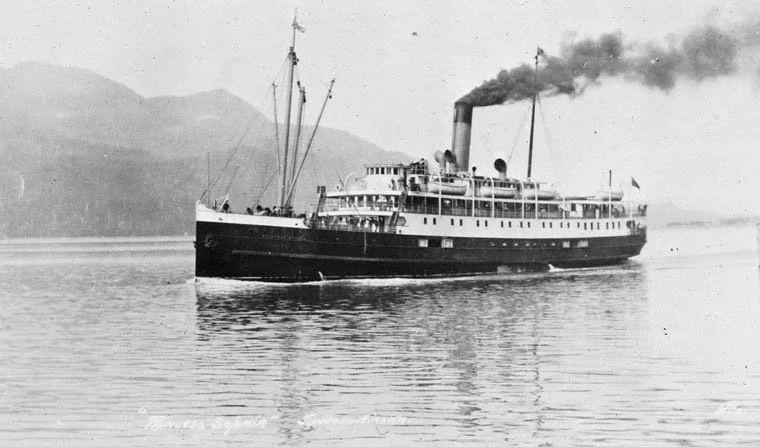
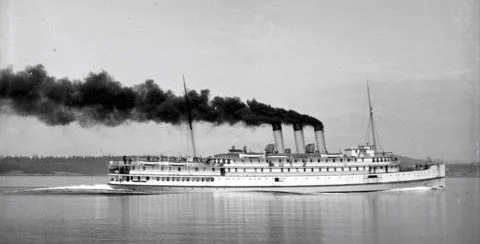
Read MoreThroughout the Pacific Northwest at the turn of the last century there was no argument as to the Speed Queen of the Seas: the CPR flagship Princess Victoria. With three funnels belching black smoke, the sleek liner raced between Victoria, Vancouver and Puget Sound ports, showing her stern to all challengers.
Read MoreVictoria entered the air age with a crash, 111 years ago.
During Carnival Week, August 1913, performing American aviator Johnny Milton Bryant plummeted to his death in downtown Victoria.
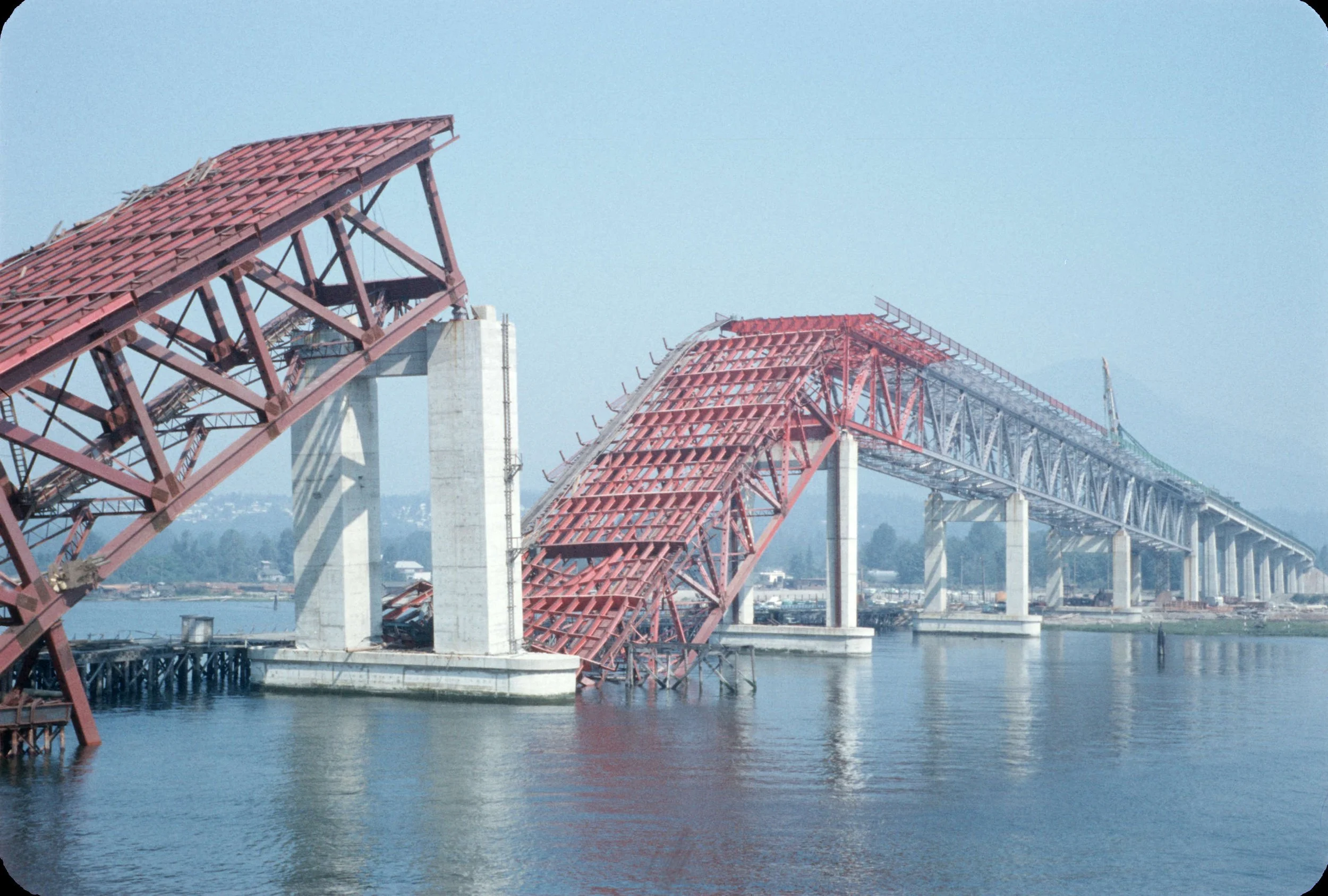
Read MoreWe’ve just passed the 66th anniversary of that tragic day in June 1958 when two spans of Vancouver’s new Second Narrows Bridge, then under construction, collapsed.
Two weeks ago, the Langley Advance marked that momentous event with an interview with Lou Lessard. Now 91, the former ironworker is the last survivor of that horrendous event of June 7, 1958.
Read MoreLast Sunday marked the 128th anniversary of the worst streetcar accident in North American history—the collapse of Victoria’s Point Ellice bridge from the weight of a trolley carrying more than twice its legal limit of holidayers. Within minutes, 55 people were dead, 27 injured.
Read MoreHuman error. It has always been with us, always will be. For the 19 miners of the Pacific Coast Coal Mine on the morning of Feb. 9, 1915, someone’s carelessness cost them their lives.
Read More