Victoria’s Pioneer Square: ‘God’s Forgotten Acre'
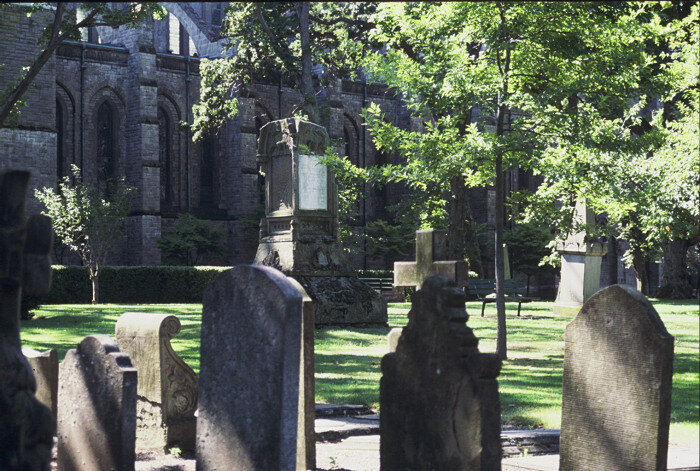
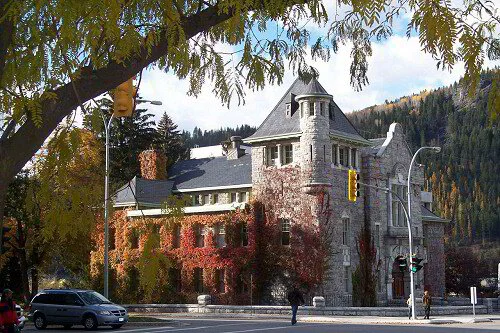
In my promo for this week’s post on what is today’s Pioneer Square in Victoria, I lamented that cemeteries are supposed to be hallowed ground and treated with due respect—meaning that the graves and headstones are kept up, in effect, for all time. But, as I sorrowfully pointed out, such isn’t always the case and what originally was the Quadra Street burying ground, or cemetery, home to some of Victoria’s earliest and most historically significant pioneers, is now treated and used as a park.
Read More
The Case of the Defaulting Bank Accountant
I’m taking this long to tell the story of George Cruickshank being charged with stealing $5000 in American gold pieces from the safe of the bank where he was employed as accountant because of the story’s curious twists.
Read More
The Case of the Defaulting Bank Accountant
It wasn’t as if George Cruickshank was the first citizen or colonial administrator to be charged with dipping into the till in those early years of Vancouver Island as a crown colony.
Read More
The Sinking of the American Steamship Clallam
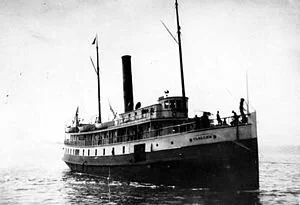
The sinking of the American steamship Clallam while en route to Victoria is one of the worst in provincial record. But, more than a century later, there’s so much more to this tragedy than just the date, place and circumstances of her foundering in a storm in Juan de Fuca Strait.
Read More
Chronicles Readers Prove That Truth Really Is Stranger than Fiction
Never a week goes by but I receive fascinating emails from both regular readers and from those who track me down online or are referred to me with their queries and, not as common but best of all, offers to share their family histories and scrapbooks. These come from close to home and from afar, two of the most recent and most promising being from the Maritimes and the United Kingdom.
Read More
Ernest Chenoweth: Is He British Columbia’s Youngest Murderer?
I’ve never understood the human fascination with crime but there’s no denying its universal appeal. Crime stories, particularly those about true murders, unsolved and otherwise, are the subject of movies, plays, books, magazines and websites; they’re on television and radio, and among the headliners of daily newscasts.
Read More
Gentlemen Scientists
Victoria’s famous Dallas Road waterfront has always been a ‘high rent district’. It wasn’t necessarily the houses that made these properties so expensive as most of them, 50 years ago, were older, some of them pretty modest if you went by appearances. It was that mantra of real estate, location, location, location (if you focused on the sweeping views of Juan de Fuca Strait and the Olympic Mountains and ignored the Ogden Point lumber wharves). Since then cruise ships (pre-pandemic) have taken the place of lumber piles, freighters and a grain elevator, and succeeding years and upgrading have made Dallas Road more popular and ever more expensive.
Read More
Chronicles Mailbag Adds to Story of Notorious Outlaws
One of the joys of publishing what really amounts to an online magazine is that it often draws a response from readers, usually as brief comments but, sometimes, something much more ambitious.
Read More
The Lenora, Mt. Sicker Railway Was an ‘Engineering Marvel’
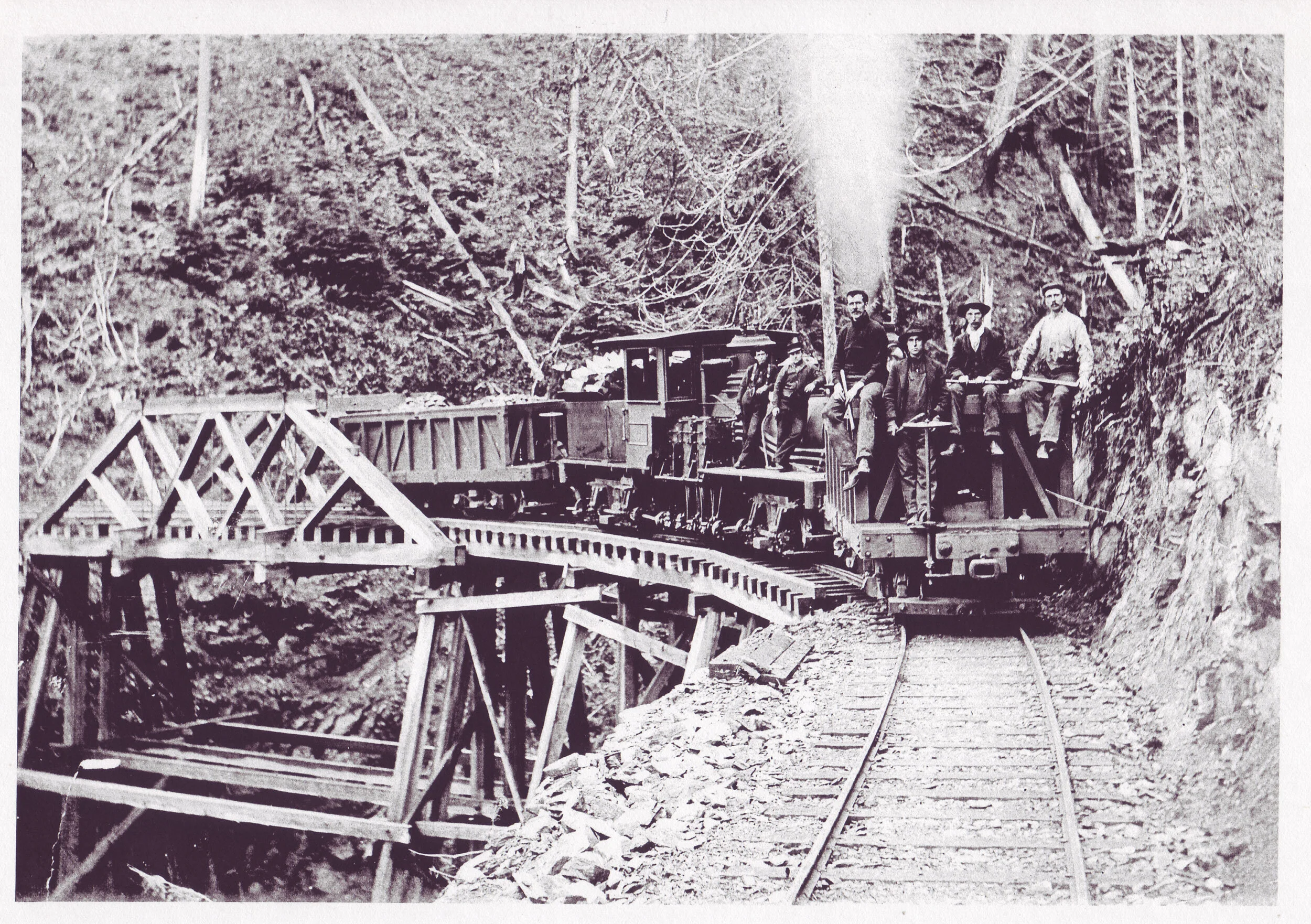
Many of you will know that the copper mining activity on Mount Sicker at the turn of the last century has intrigued me from even before I moved to the Cowichan Valley. I’ve since written about it in newspaper articles, columns and even a book, Riches to Ruin: The Boom to Bust Saga of Vancouver Island’s Greatest Copper Mine, from which much of today’s story is taken. To tell the incredible story of Mount Sicker in as few words as possible (my 2007 book is 300 pages)!
Read More
Nuggets in the News - and in the Mail
As I’ve said so many times before, history just keeps on coming.
Everywhere I go, every time I open my mail, every time I read the paper, there’s something ‘old’ in the news. So often lately that they’re ganging up on me. So, next week I open my mail bag and my clippings and email files and share with you some of these news stories whose roots are firmly in the past.
Some of them may surprise you. I promise they will entertain you.
That’s this week in the Chronicles.
Read More
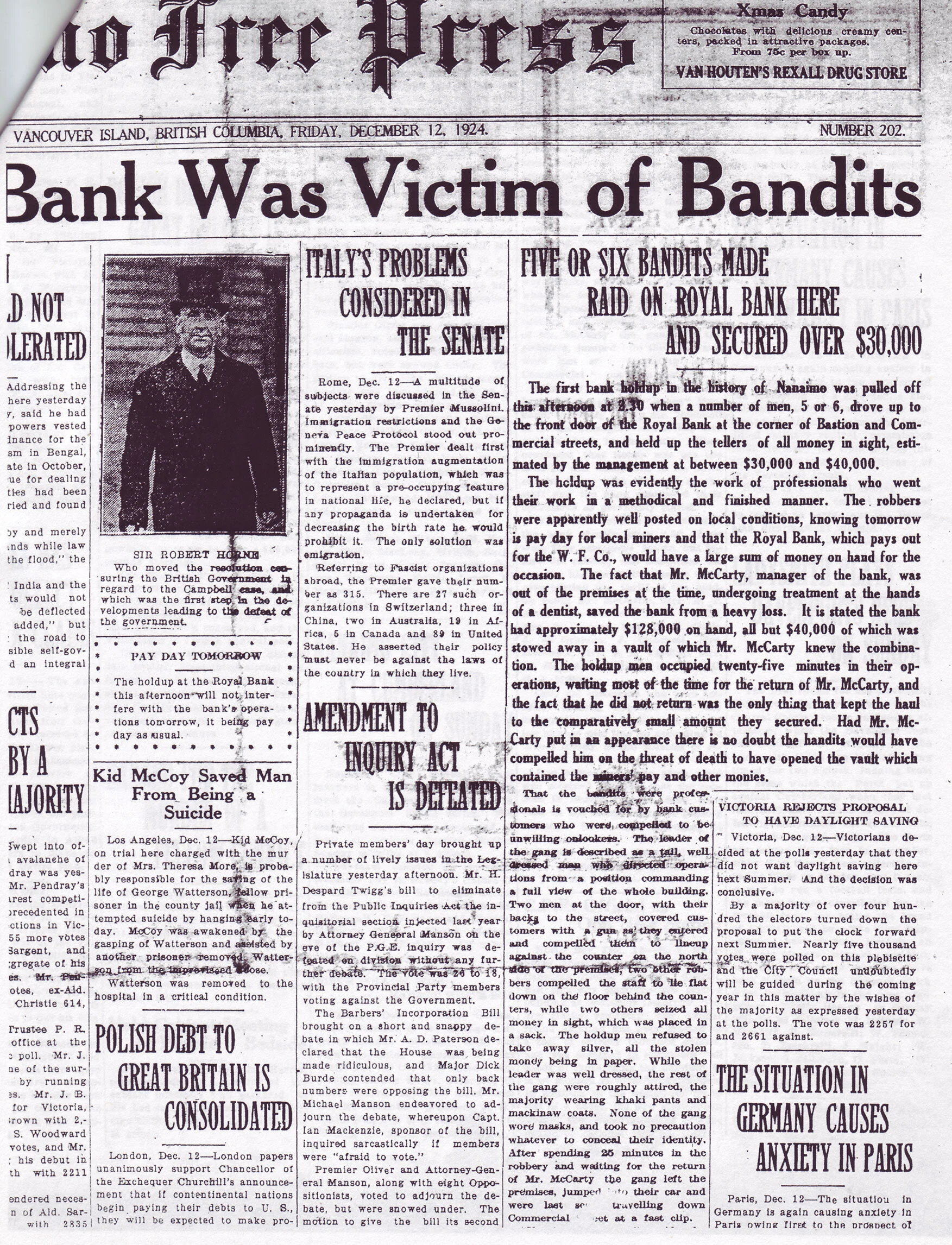
The Great Nanaimo Bank Robbery
Back in 2007 the Nanaimo Star ran a look-back piece on the city’s ‘Costco Caper’ robbery of Mar. 7, 1996.
This was a rather ingeniously planned heist of Loomis Armoured guards as they made a delivery of cash to Costco’s ATM machine. The lone robber escaped with seven cassettes of currency; the amount stolen has never been released to the public.
Read More
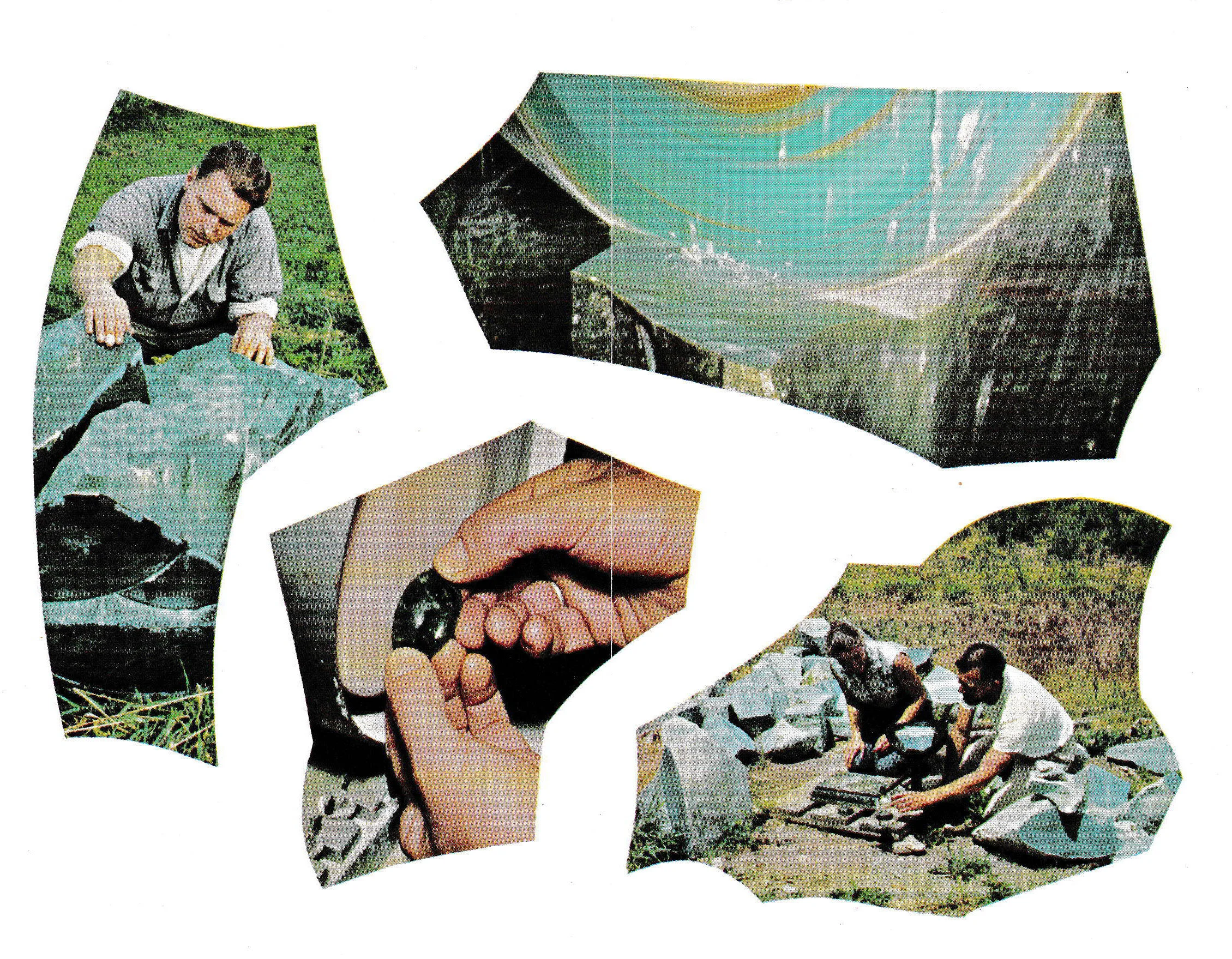
Green Gold - Jade
It took well over a century but the hardy Chinese miners who helped to carve a province from wilderness enjoyed the last laugh.
Today, decades later, thousands of recreationists throughout British Columbia are participating in a modern-day boom in their eager search for that once derided ‘green gold,’ jade.
Today’s prospector are called rockhounds but the name of the game is the same—the thrill of the hunt and the pride of achievement that comes from transforming a piece of stone into a beautiful gem.
Read More
Man of Mystery: Michael Ney, RCN
For years I’ve been a devoted fan of garage sales, flea markets and thrift stores, always on the lookout for the useful, the exotic and the unique—as I define the terms.
One of my more outstanding treasures turned up in a community 'free store' on Gabriola Island years ago. It’s a framed colour photo of a church memorial window. Not in itself a real turn-on for me.
But that changed when I read the penned caption. It identified the window as a memorial for Michael F.A.Ney, RCN. RCN, of course, stands for Royal Canadian Navy.
Read More
Banishing Unsavory History to the Dustbin Doesn't Work
It should go without saying that we live in a world of constant change.
One of those changes is profound, even in a world besieged by pandemic.
I’m referring to the recent tsunami wave of consciousness of our colonial past. For Americans, it’s acknowledging a groundswell of resentment for more than two centuries of mistreatment of indigenous and black people. Even the Confederate flag, revered by millions, has come into disrepute.
Read More
My First Christmas Dinner in Victoria
On the 22nd day of December, 1860, nearly forty-four years ago, I sat in the editorial rooms of the Colonist office on Wharf Street preparing a leading article. Mr. DeCosmos, the editor and owner, had contracted a severe cold and was confined to his room at Wilcox’s Royal Hotel, so the entire work of writing up the paper for that issue devolved upon me.
Read More
When British Columbia Had Its Own ‘Halifax Harbour’ Disaster
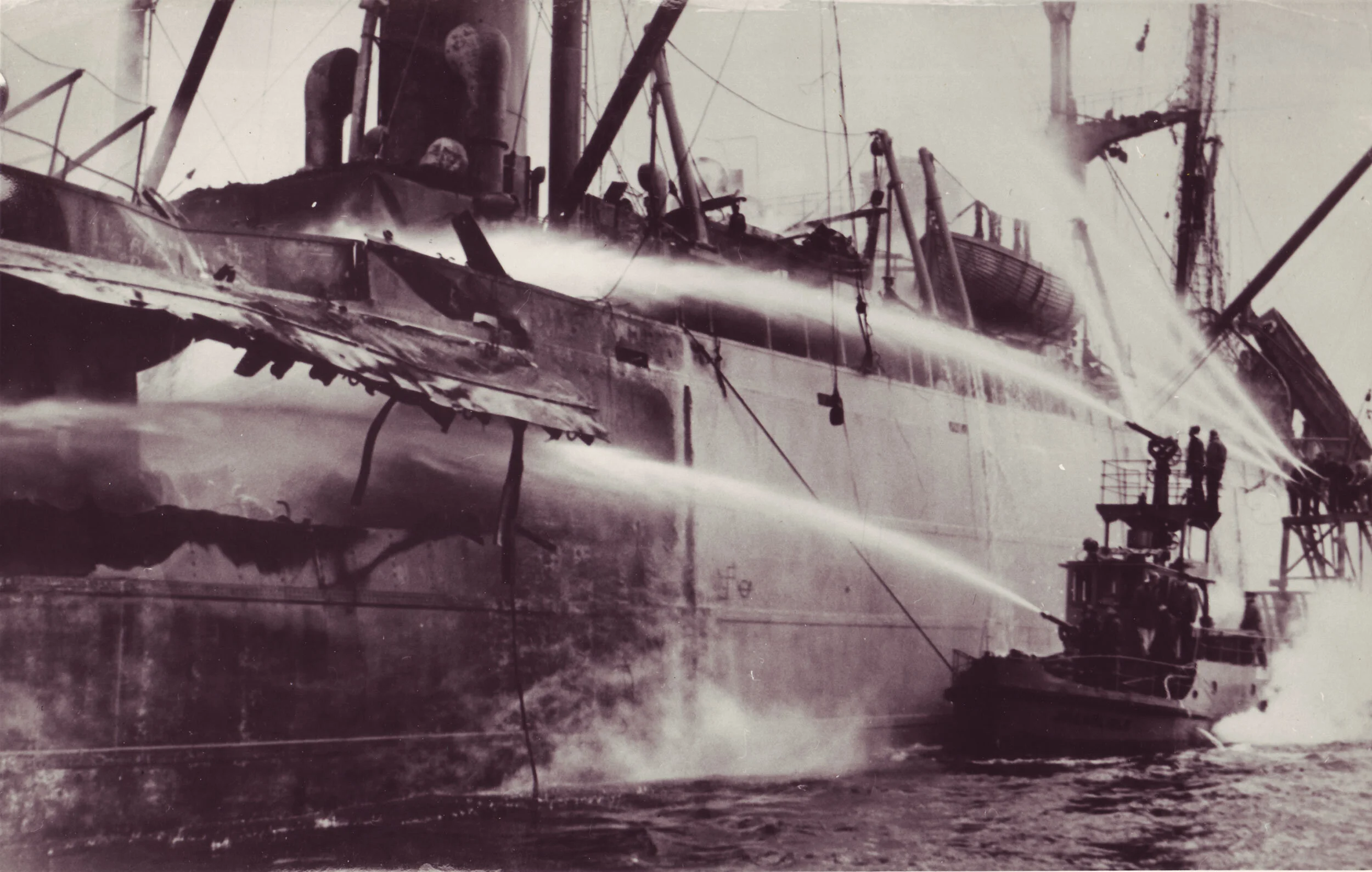
Our own west coast claim to a momentous maritime tragedy, the 1945 explosion of the steamship S.S. Greenhill Park in Vancouver Harbour in March 1945. 2020, of course, marks that tragedy’s 75th anniversary.
Read More
Disaster on Mount Benson Now All But Forgotten
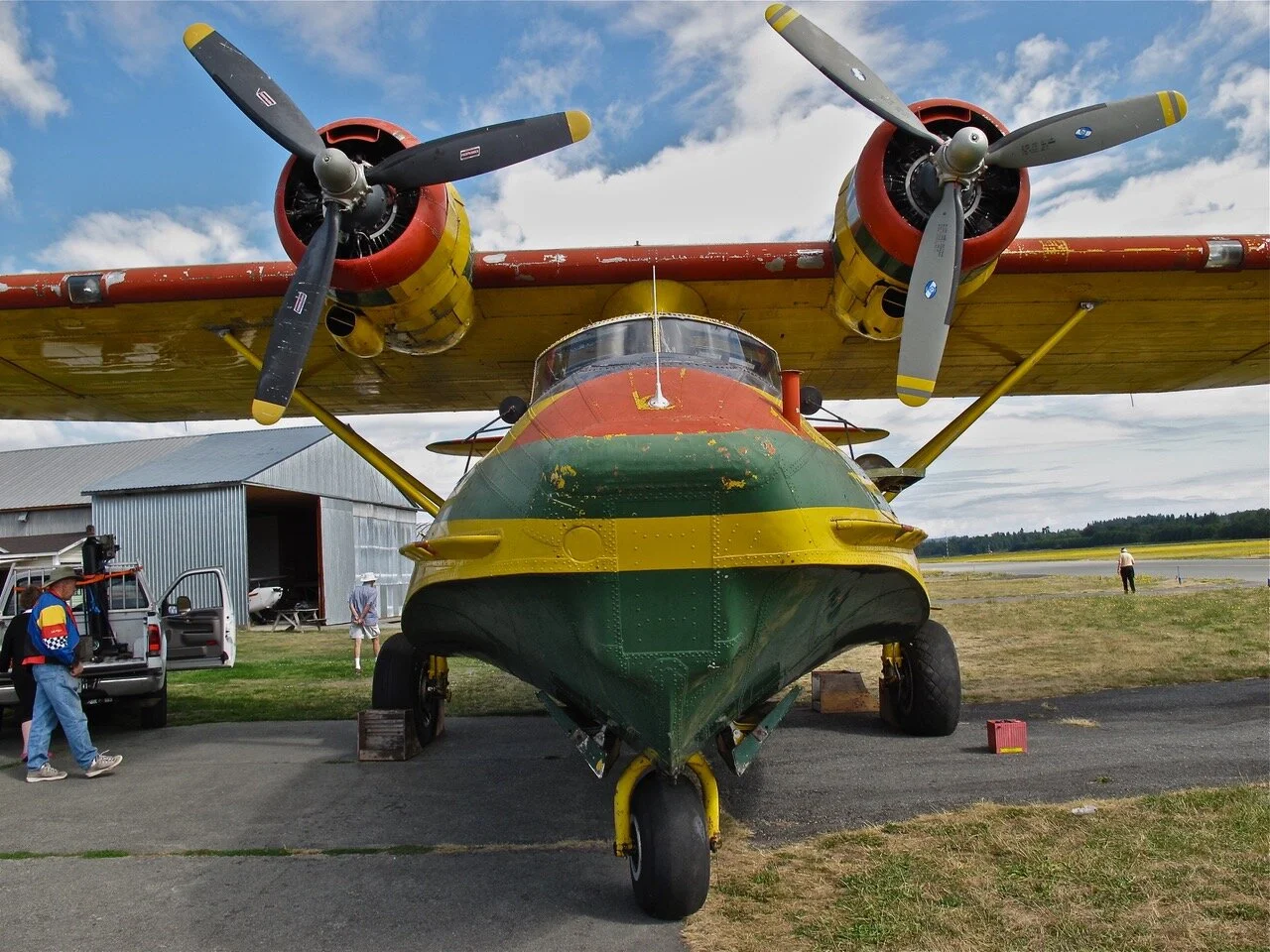
At the time—Oct. 1, 1951—the crash of a Queen Charlotte Airlines Canso on Nanaimo’s Mount Benson was the worst aviation accident in British Columbia history. It’s now the 18th which shows you how far we’ve come in 70 years.
Although I’ve always been fascinated by old aircraft and plane wrecks are a natural extension of that interest, I’ve only managed to get to a few over the years. The one on Mount Benson, six miles west of Nanaimo, is the one that has intrigued me most of all. I first heard of it as a kid and was reminded of it in the mid-1970s as I came out of a north Nanaimo department store and saw the sun glinting on something on the southeast face of Mount Benson.
Read More
High Noon in Downtown Vancouver
“Reporter packed a heater on the police beat,” is the sensational headline of one newspaper article about the legendary British Columbia journalist B.A. ‘Pinky’ McKelvie.
Other than the gang shootings in recent years, which seem to have died down now, it’s almost beyond our comprehension in this day and age that a newspaper reporter who covered the crime beat in Vancouver a century ago would pack iron.
Read More
C.H. DICKIE: OUT OF THE PAST (Addendum)
We have, over the past several weeks, been reading Charles Herbert Dickie’s memoir, Out of the Past, that related his adventures as a
● Sheriff in Michigan
● Labourer and hobo in California
● Fireman and conductor on the Esquimalt & Nanaimo Railway, Victoria
● Hotelier in ‘Duncans Station’ and successful investor in Cowichan’s Mount Sicker copper mining boom
● Disenchanted Member of the Legislature for a single session
● Disappointed prospector in northwestern British Columbia
● World traveller
● And, finally, for three terms, Member of Parliament.
That’s quite a resume for any one man!
Read More
C.H. DICKIE: OUT OF THE PAST (Part 6 Conclusion)
We’ve been following Charles Herbert Dickie’s memoir Out of the Past.
Last week we accompanied him on his almost round-the-world voyage as he recharged his mental battery after the stress of seeing the money he’d made from the sale of his shares in the Tyee copper mine on Mount Sicker all but disappear in unsuccessful mining ventures in the Stewart River area of northwestern British Columbia.
Ever the optimist, although he lost his money and changed careers, he never did lose the mining bug.
Read More