
At last! the 100-odd “Imperial Pressmen” have come to Duncan and gone again after an indoor luncheon at the Agricultural Hall.
Some were entertained privately by individual citizens but most joined a like number of residents in the hall because the planned picnic beside the Cowichan River had been cancelled because of rain.
They were greeted by Duncan Mayor Pitt, North Cowichan Reeve Herd, MLA Duncan and the president of the Duncan Board of Trade. The esteemed guests were spared speeches of welcome. Lord Burnham did thank their hosts and said that their visit to the Island, brief though it was, was among the highlights of their tour and he could well understand its attraction to British emigrants.
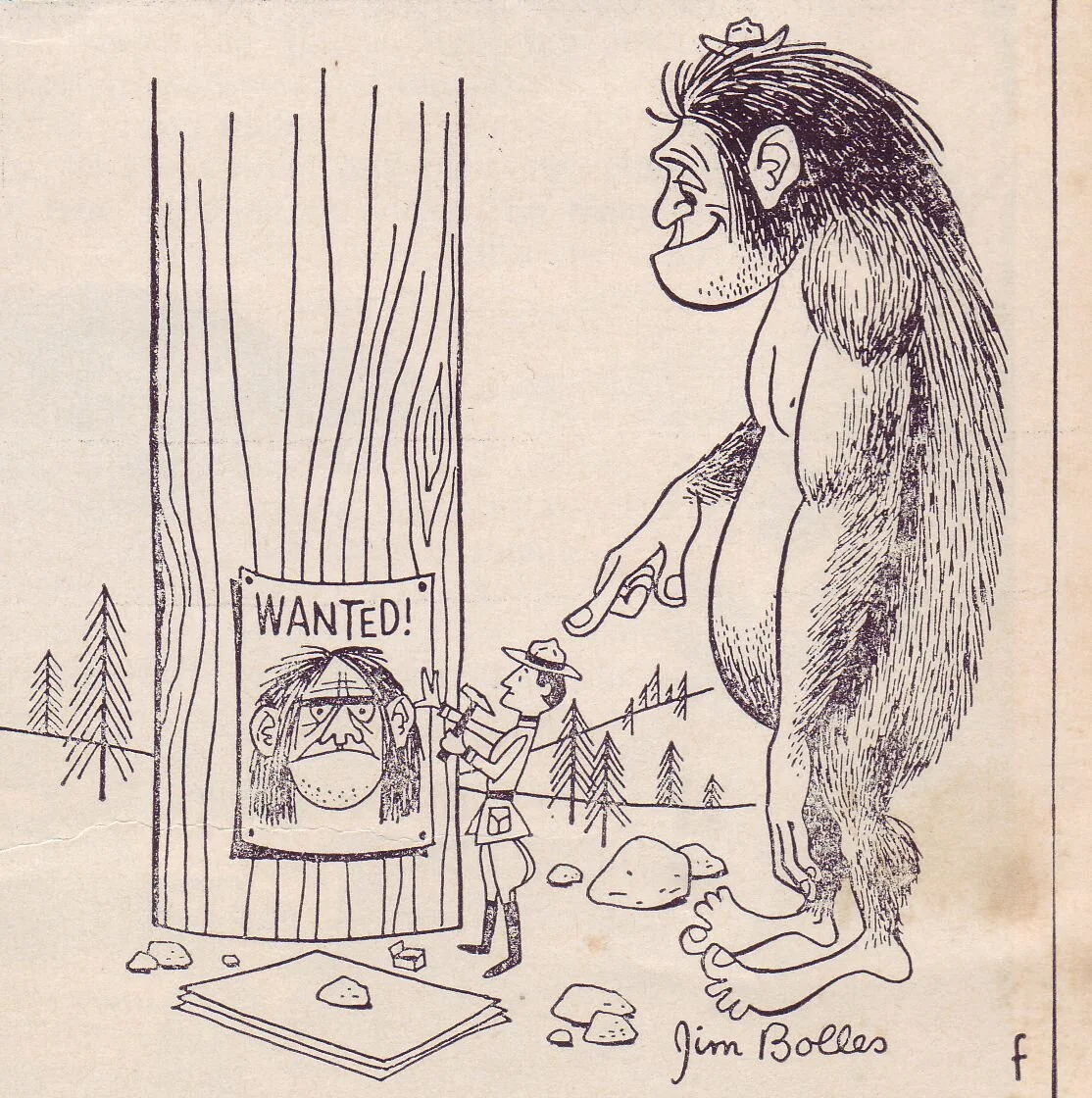
Somewhere in the dense rain forests of the Pacific Northwest, particularly British Columbia, is North America’s version of the Abominable Snowman.
This mysterious creature is known throughout California, Oregon and Washington as Bigfoot or Mr. Bigfoot; in B.C., he’s Sasquatch although some First Nations tribes have christened him individually.
Described as being extremely shy and peace-loving, this mammal is said to be “related to both homo sapiens (man) and the Himalayan yeti (Abominable Snowman)”. Supposedly ranging, when fully grown, from eight to 18 feet in height, and weighing from 500 to 1200 pounds, the hairy vegetarian is one of the most persistent and tantalizing legends of the West Coast.
‘FROM THE SEVEN SEAS – Journalists of British Isles and Dominions Visit District on Saturday’
Yet another issue of The Leader touting the forthcoming visit, two days hence, of this travelling troupe of big-name international journalists. After spending Friday at Butchart’s Gardens and the provincial legislature they were to be motored, next morning, to Duncan.
(Because this is the third lead-up to their visit I’ll wait until next week to conclude...)
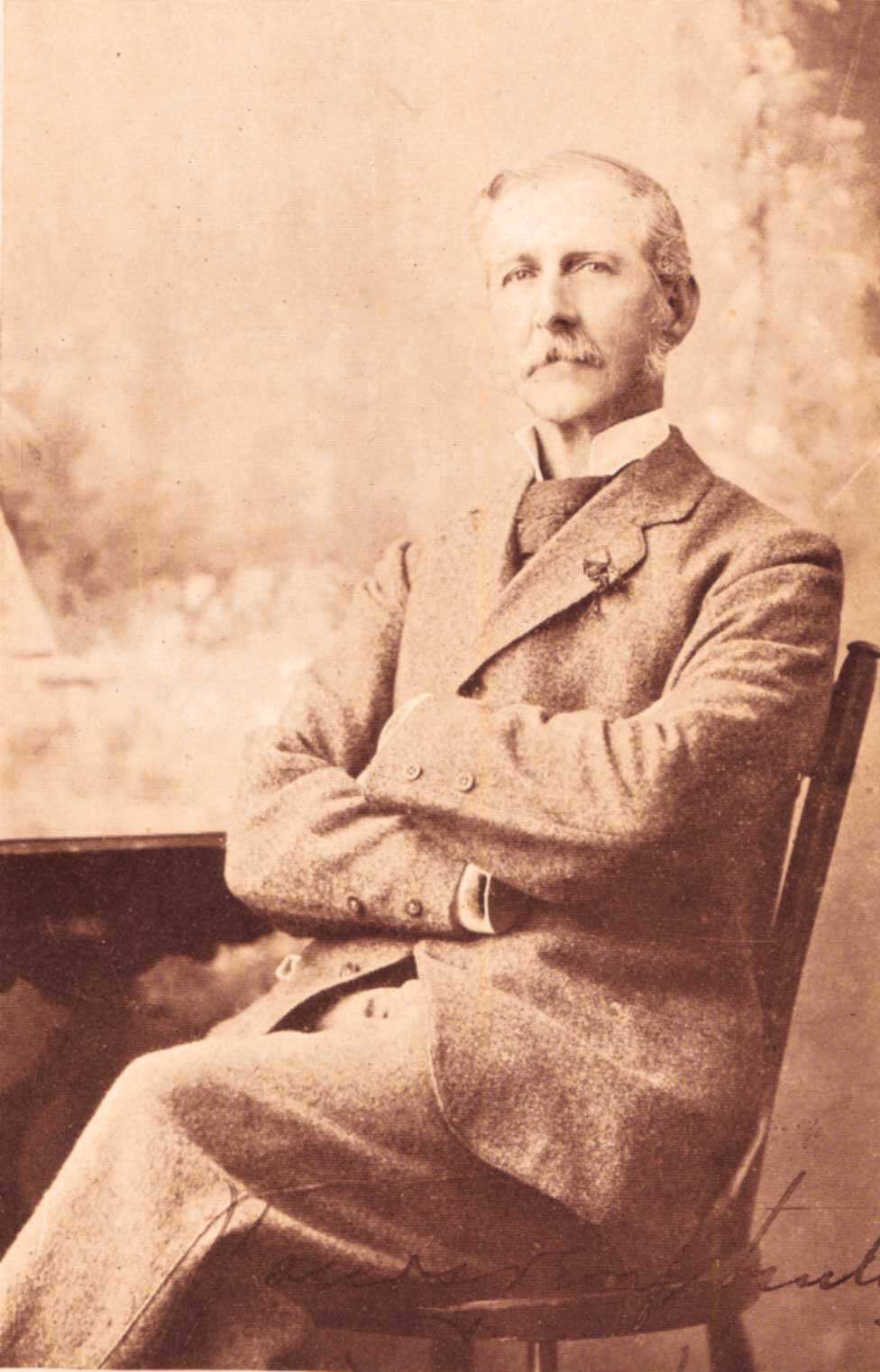
I’ve already told you how I became acquainted with right-in-my-own-backyard history thanks to neighbouring Miss Fawcett’s allowing me to read—not borrow—her father’s rare book, Some Reminiscences of Old Victoria.
Even then, when I was just a young teen, that book was highly collectible and it was a long time before I acquired a copy for myself from an antiquarian bookseller for what was, to me, an extortionate price.
There was little in the way of sensationalism in the pages of The Leader of a century ago. Hence the story that a firebug was on the loose in Cobble Hill is almost overwhelmed by miscellaneous headlines about more mundane events.
First up for August 19 was “Aquatic Sport,” an entire column on an afternoon of “unalloyed pleasure at Maple Bay”. This was an account of the Maple Bay Regatta which had been blessed with brilliant sunshine and a full tide. No surprise, then, that there was a large turnout.
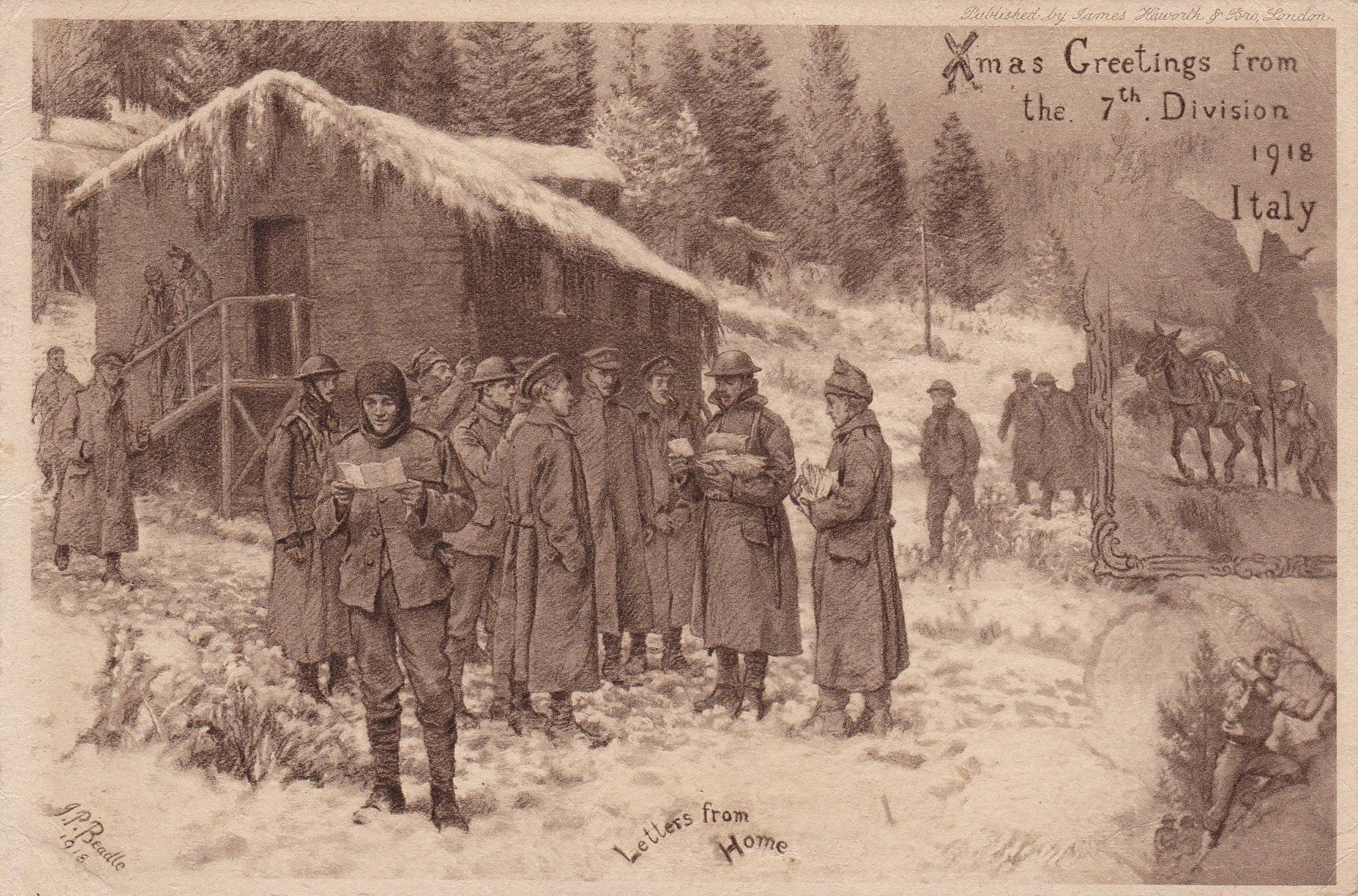
April 1918. No one knew it but the First World War, the worst yet in history, had six more months to go. This was a matter of great interest to Cowichan Valley residents because Duncan had the highest enlistment per capita in all of Canada.
That’s when the Duncan Board of Trade (the Chamber of Commerce of its day) chose to publish a small pamphlet on Valley industries and enterprises. Not for investors or tourists as would normally be the case, but for the edification of local men who were serving in the trenches.
The big news of the week was the impending arrival of 90 members of the Imperial Press Conference. “No more important or influential body has ever visited Canada,” crowed The Leader of this group which included one viscount, a lord, eight Sirs and a colonel among its dignitaries.
Meeting in Victoria, they represented over one-quarter of the Dominion (the British Commonwealth) and were scheduled to visit the Valley on the coming weekend.
I’ve already dealt with the subsequent careers, at least so far as can be determined at this late date, of three of the principals. By all indications banker A.D. Macdonald was financially ruined and had to work for a living for the rest of his life; clerk/bookkeeper Josiah Barnett whose subsequent release after his arrest on the vaguest of suspicion said it all; and Manager John Waddell who, within three years of the robbery popped up in Ontario as the owner of several sawmills and a yacht.
Read MoreAfter the excitement of a fire, a cougar and the harsh exchange of words at the meting of the Duncan Consolidated School Board the previous week, the August 5th edition of The Leader is definitely a come-down. Fully one-quarter of the front page is a list of purebred Holstein and Jersey milk cows sold at auction by G.T. Corfield’s Eureka Farm on the Cowichan Bay estuary. The Corfield house had been destroyed by fire, prompting the sell-off of stock that otherwise wouldn’t have come on the market. Buyers came from as far as the U.S. for the sale of 86 animals said to be “the offering of the very best stock which had yet come under the hammer,” and that the best prices had been realized. A locally sired three-year-old Holstein drew the highest price, $600.00.
Read More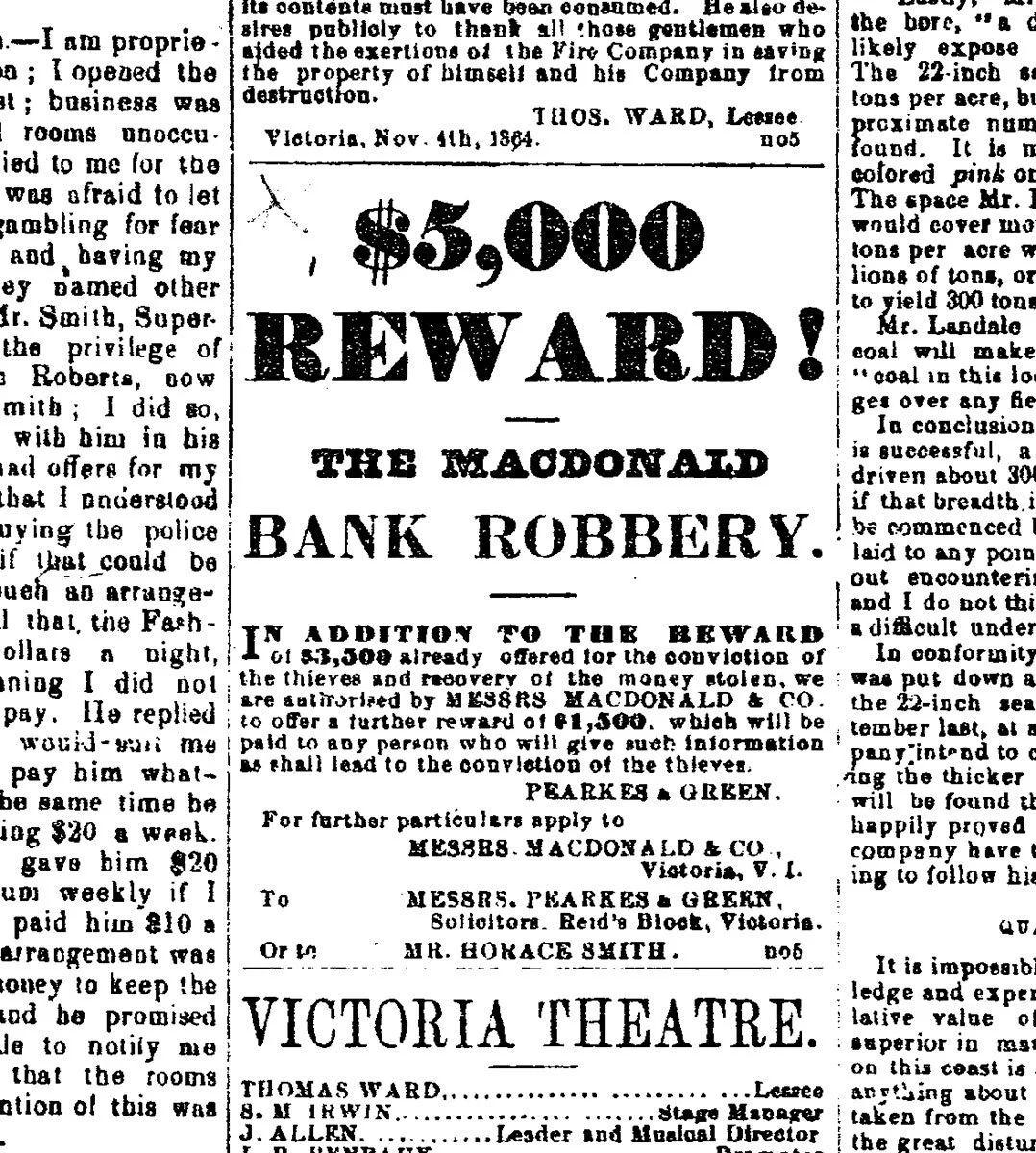
So: who did rob Macdonald’s Bank in the early hours of September 23, 1864?
How did the thief or thieves know of the $30,000 in gold, silver and banknotes (the equivalent of $900,000 in today’s dollars) that was being kept overnight before shipment to the Cariboo in the morning?
The brazen theft had to have been planned, as evidenced by entry to the bank having been made by means of a ladder of the exact length required to descend from a skylight, and a key found on the floor that fit the safe lock.
As we’ve seen there had been resignations—mass resignations—of the teaching staff at the Duncan Consolidated High School and in outlying schools. It all came to what The Leader predicted would be a “lively altercation” at the next meeting of the board.
It wasn’t, in fact, long before the “usual decorum” of the Board was “rudely shattered...when Trustee Tisdall fell foul” of a deputation composed of Col. Roome, Col. Pressey, the Rev. A.F. Munroe and Mr. A.J. Marlowe. Tisdall felt that hearing from them not only set a precedent but their criticism of the way the Board was handling teacher appointments cast a slur and imputed lack of confidence in the trustees.
Read More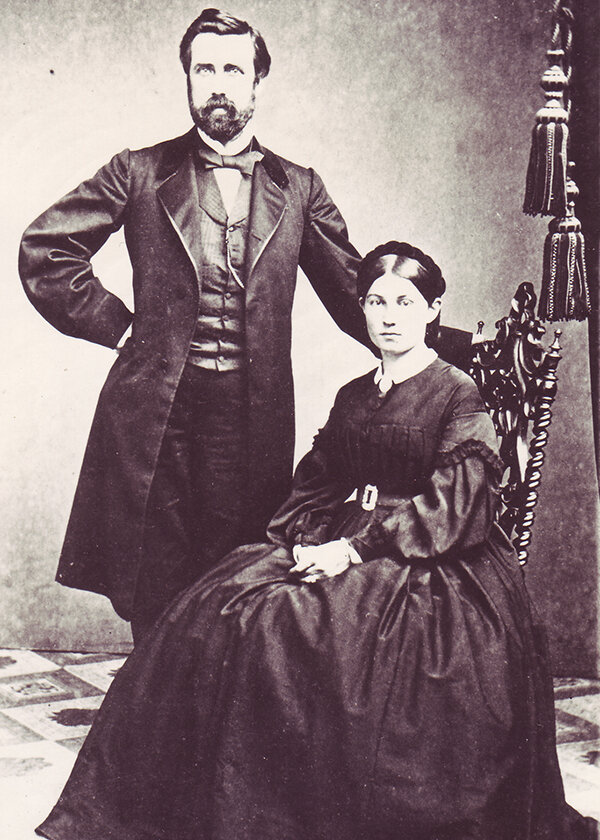
“One of the last remaining links with Victoria’s perfect crime—a scandal that made headlines as far as San Francisco—has fallen to the wrecking crews of progress. A landmark for more than a century, imposing Springfield Manor of 633 Michigan Street, is being razed to make way for a 23-storey apartment building...”
Such was my lead-in, in March 1969, to the tragic story of Macdonald’s Bank and its mysterious robbery that has become one of Victoria’s most enduring legends.
Of the 10 articles on today’s front page the one that catches the eye is, “Land Army: British Women Seek Opportunities on Farms in B.C.”
Mrs. N. Eyphyns was in town while investigating the possibility of farm jobs for British ex-servicewomen, members of the Old Country’s famous wartime Land Army, who wanted to work the land but lacked opportunities at home. Hers was the second such visit on behalf of the British government.
Upon being approved, the prospective immigrants would be given free passage to Canada. Valley farmers who were interested in hiring them were to contact W. Paterson at the Cowichan Creamery.
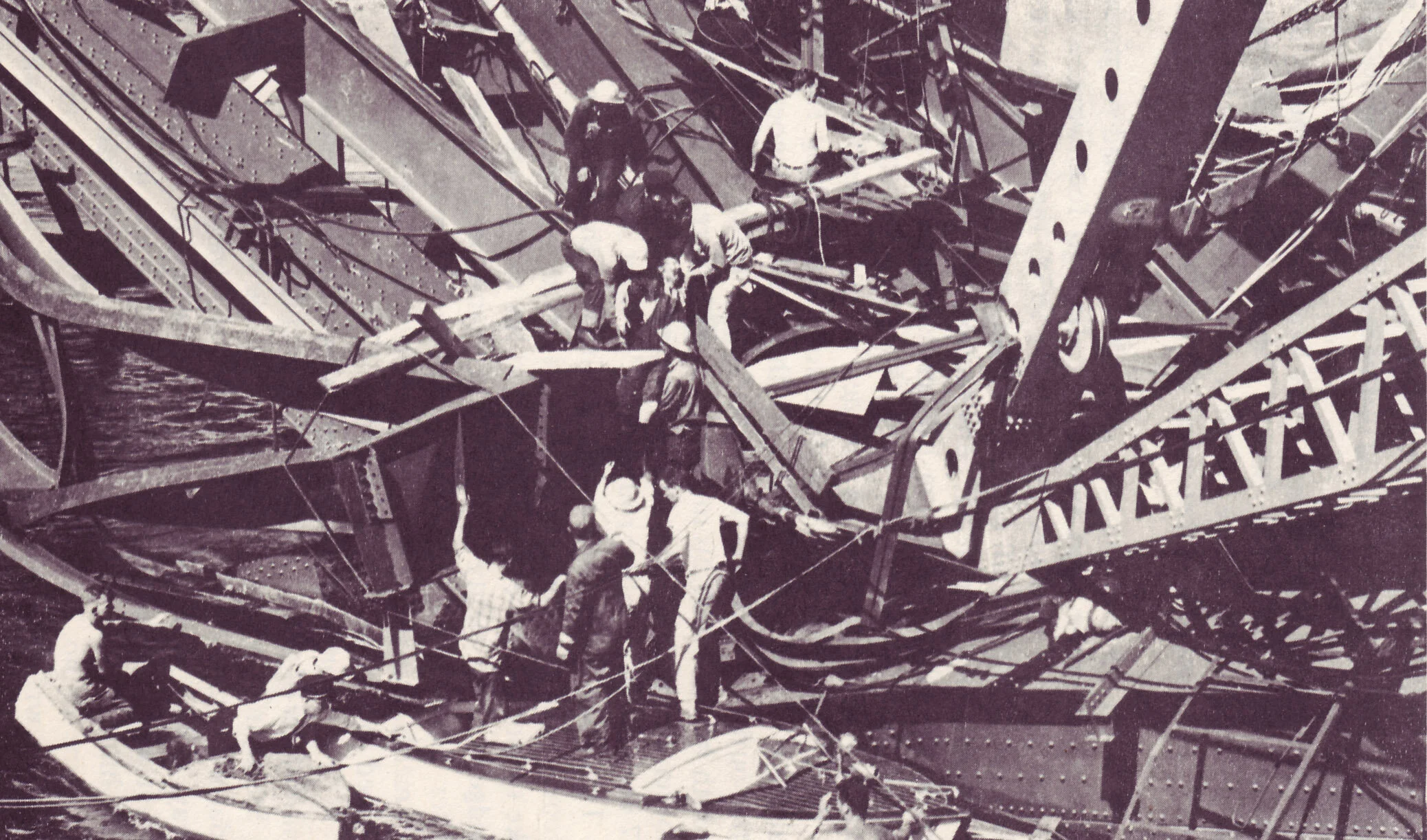
Who’d have thought that COVID would bring with it, besides world-wide contagion, illness, death, financial devastation and workplace upheaval, the—return of the drive-in movie.
There was a time, way back in the 1950s, when drive-ins were the rage not just for what was showing on the screen but for what went on in the cars around you when the lights were turned down.
First on today’s front page was Duncan City Council. W.B. Young and James Duncan, representing the Duncan branch of the Retail Merchants’ Assoc., appeared to ask City fathers to reconsider their proposed bylaw on the sale of beverages containing hops. Vendors of such drinks would need to purchase a license for $200 annually.
Council did agree to send ‘Beverages Bylaw No. 1’ back to committee for further consideration even though the license fee applied only to drinks consumed on the premises; a smaller fee would apply to vendors of bottled spirits.
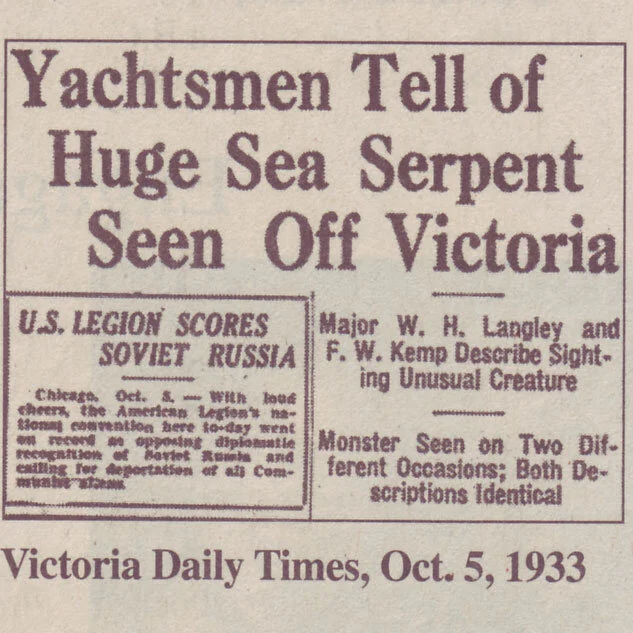
For almost a century, hundreds of witnesses have claimed to have seen B.C.’s fabled sea serpent, Cadborosaurus, better known as “Caddy,” frolicking in southern Vancouver Island waters.
Their sightings have inspired legends, jokes and, thanks to Victoria’s enterprising Chamber of Commerce, world-wide publicity.
Newspaper practices have changed over the years. Instead of being the lead news story, the report of a fatal automobile accident was the fifth item on that Thursday’s front page. At least the headline attracted the eye: FALLS FROM CAR. Victoria Lady Succumbs After Accident on the Lake Cowichan Road.
Mrs. Arthur Hemingway (women were seldom identified by their first names in those days) was travelling west towards Lake Cowichan with her husband, well-known Victoria auctioneer Arthur Hemingway, driving. Their son was in the front passenger seat, she and their two daughters in the back seat of what must have been an open touring car.
Under the headline “Laugh At Rain,” an account of the Cowichan chapter of the IODE who’d gamely held held their annual fete at the Grange, the baronial home of their regent, Mrs. Tisdall. Indoors, of course, but anyone who’s visited the Grange on Drinkwater Road knows there’s plenty of room for guests. Tea, bakery stalls and a fortune teller kept everyone’s mind off the weather outside.
Read More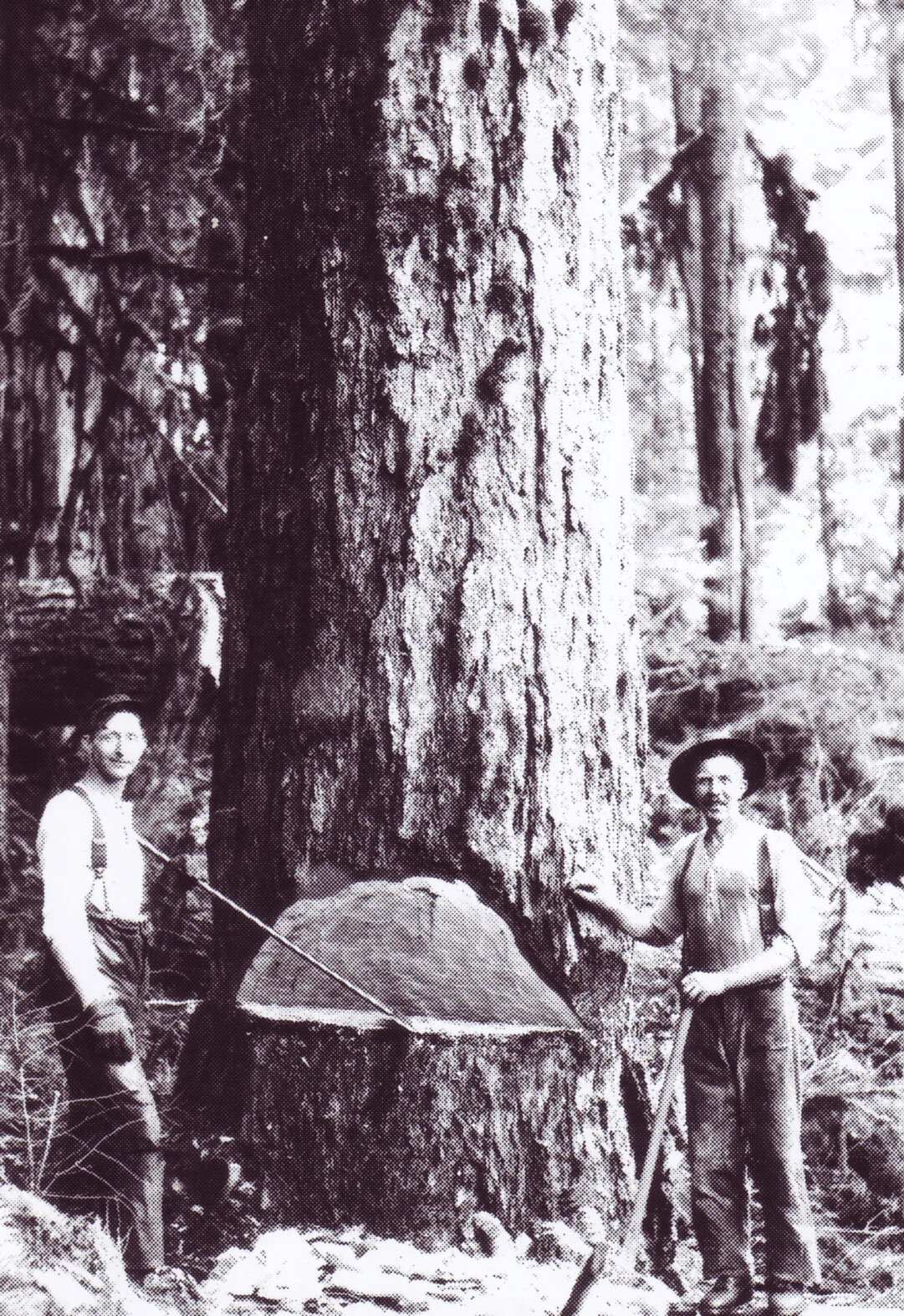
This is the third and final instalment of an unidentified pioneer’s recollections of Cowichan Valley pioneers, most of whom he’d known personally, and of the dramatic changes he’d witnessed over his own lifetime.
To maintain its original flavour, I’ve kept editing to an almost non-existent minimum. To correct the misspellings and grammatical errors would take away much of its charm. Hence I’ve only interceded when I felt absolutely compelled to do so to maintain clarity.
Logging has always been a dangerous job, more so in the old days than now.
But the accident that claimed the life of blacksmith David Cunningham, June 9, 1920, was a freak of freaks—he was asleep in his bunk at the Charter Lumber Co. when tragedy struck.