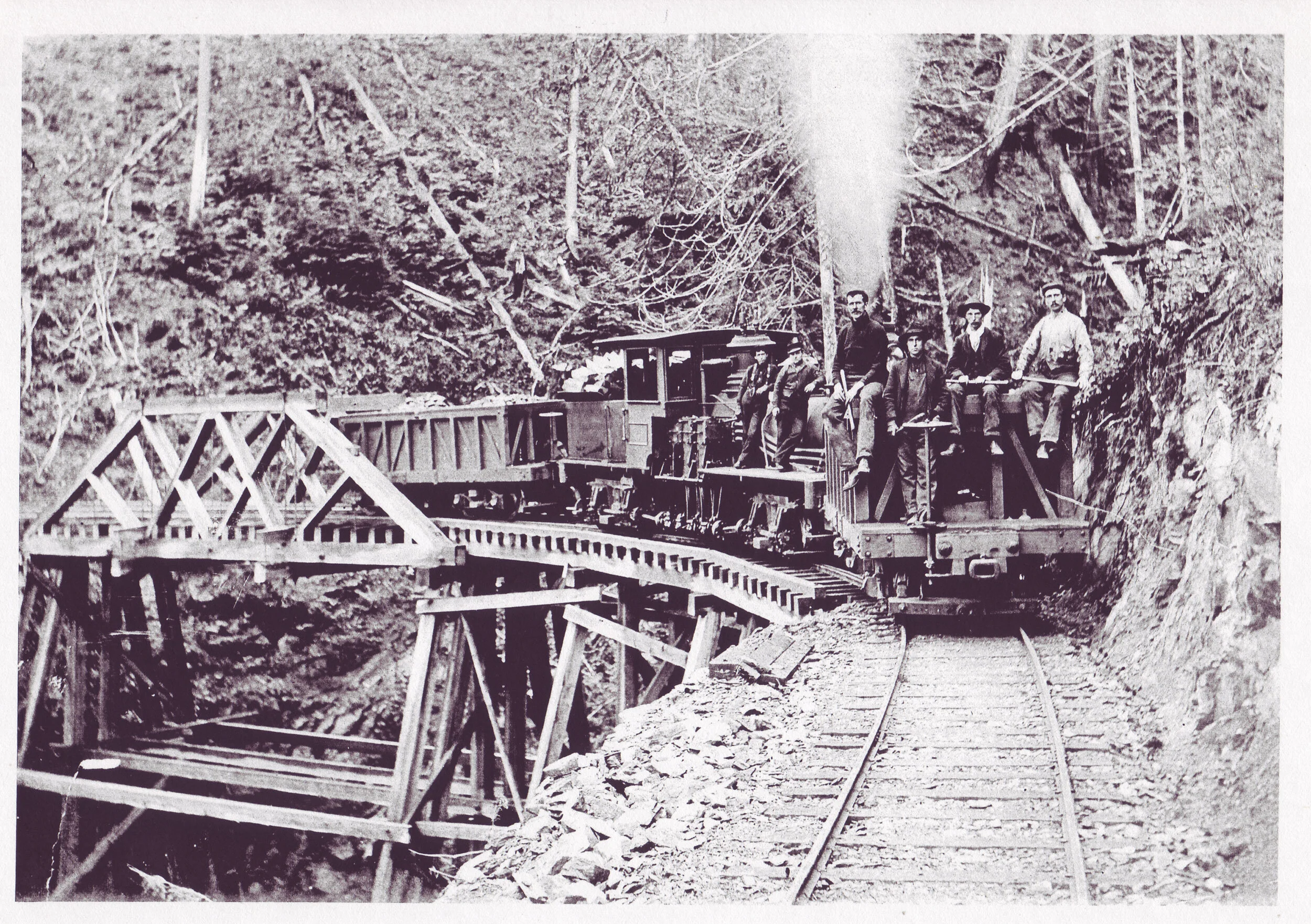
The Lenora, Mt. Sicker Railway Was an ‘Engineering Marvel’
Many of you will know that the copper mining activity on Mount Sicker at the turn of the last century has intrigued me from even before I moved to the Cowichan Valley. I’ve since written about it in newspaper articles, columns and even a book, Riches to Ruin: The Boom to Bust Saga of Vancouver Island’s Greatest Copper Mine, from which much of today’s story is taken. To tell the incredible story of Mount Sicker in as few words as possible (my 2007 book is 300 pages)!
Read More
Nuggets in the News - and in the Mail
As I’ve said so many times before, history just keeps on coming.
Everywhere I go, every time I open my mail, every time I read the paper, there’s something ‘old’ in the news. So often lately that they’re ganging up on me. So, next week I open my mail bag and my clippings and email files and share with you some of these news stories whose roots are firmly in the past.
Some of them may surprise you. I promise they will entertain you.
That’s this week in the Chronicles.
Read More
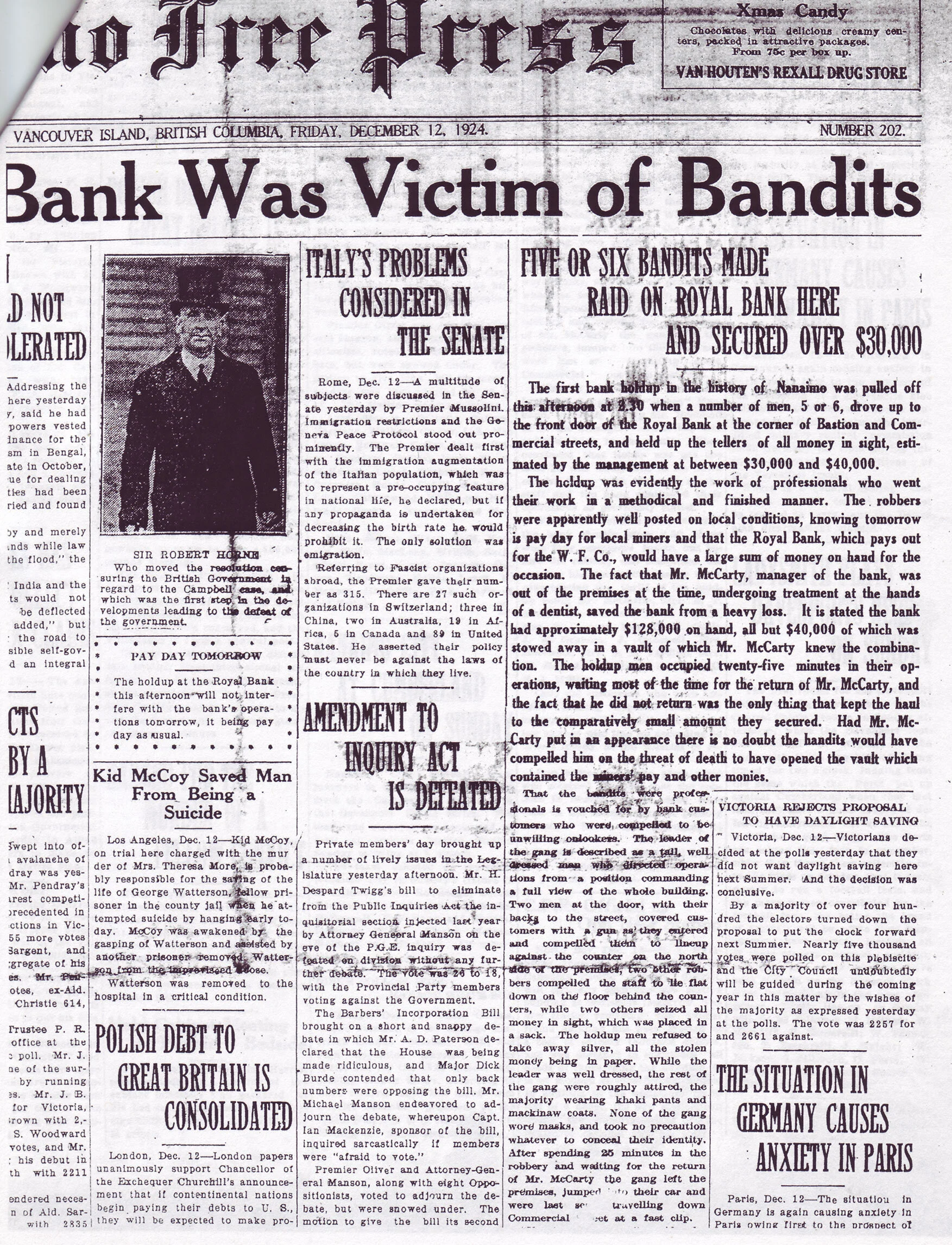
The Great Nanaimo Bank Robbery
Back in 2007 the Nanaimo Star ran a look-back piece on the city’s ‘Costco Caper’ robbery of Mar. 7, 1996.
This was a rather ingeniously planned heist of Loomis Armoured guards as they made a delivery of cash to Costco’s ATM machine. The lone robber escaped with seven cassettes of currency; the amount stolen has never been released to the public.
Read More
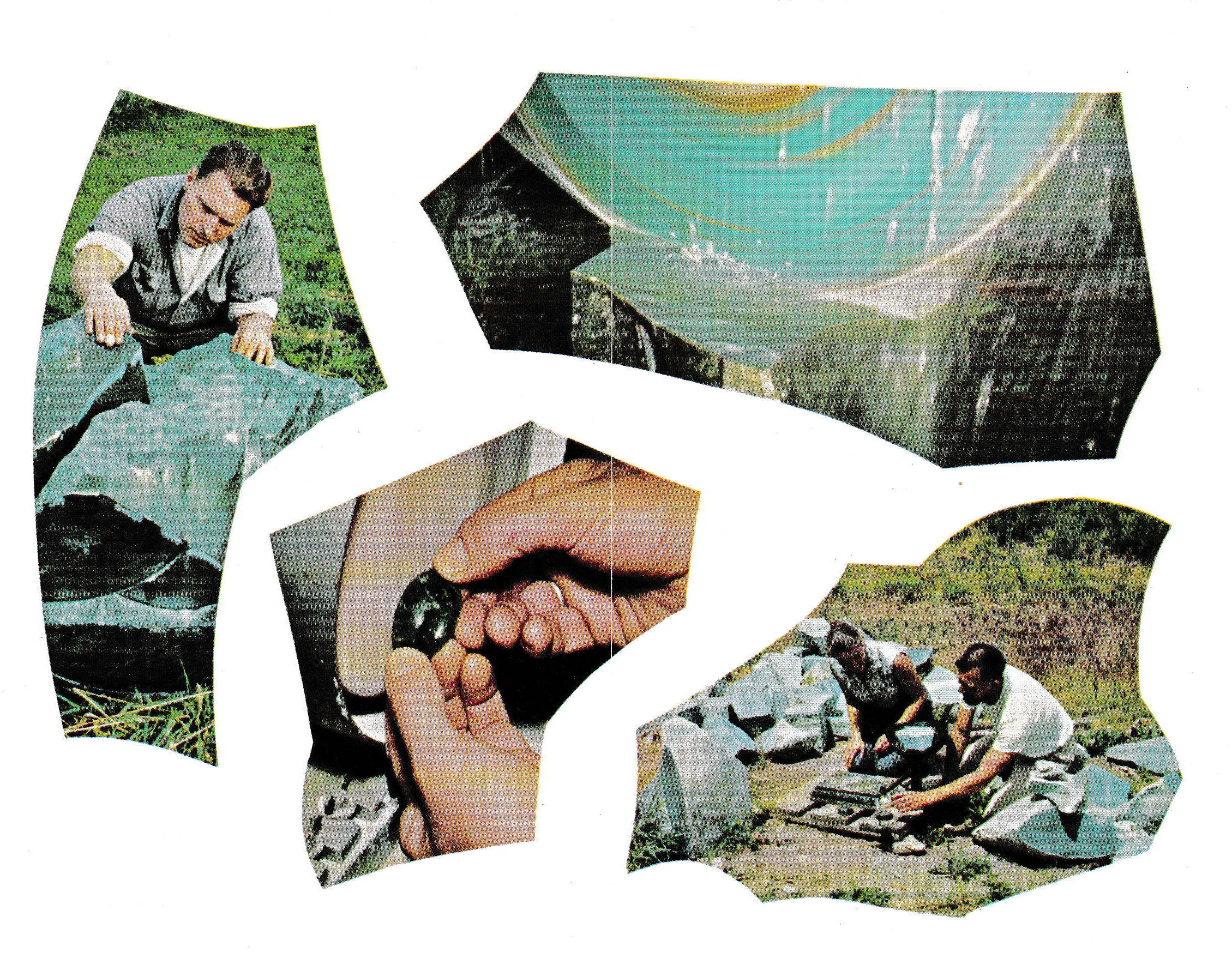
Green Gold - Jade
It took well over a century but the hardy Chinese miners who helped to carve a province from wilderness enjoyed the last laugh.
Today, decades later, thousands of recreationists throughout British Columbia are participating in a modern-day boom in their eager search for that once derided ‘green gold,’ jade.
Today’s prospector are called rockhounds but the name of the game is the same—the thrill of the hunt and the pride of achievement that comes from transforming a piece of stone into a beautiful gem.
Read More
Man of Mystery: Michael Ney, RCN
For years I’ve been a devoted fan of garage sales, flea markets and thrift stores, always on the lookout for the useful, the exotic and the unique—as I define the terms.
One of my more outstanding treasures turned up in a community 'free store' on Gabriola Island years ago. It’s a framed colour photo of a church memorial window. Not in itself a real turn-on for me.
But that changed when I read the penned caption. It identified the window as a memorial for Michael F.A.Ney, RCN. RCN, of course, stands for Royal Canadian Navy.
Read More
Banishing Unsavory History to the Dustbin Doesn't Work
It should go without saying that we live in a world of constant change.
One of those changes is profound, even in a world besieged by pandemic.
I’m referring to the recent tsunami wave of consciousness of our colonial past. For Americans, it’s acknowledging a groundswell of resentment for more than two centuries of mistreatment of indigenous and black people. Even the Confederate flag, revered by millions, has come into disrepute.
Read More
My First Christmas Dinner in Victoria
On the 22nd day of December, 1860, nearly forty-four years ago, I sat in the editorial rooms of the Colonist office on Wharf Street preparing a leading article. Mr. DeCosmos, the editor and owner, had contracted a severe cold and was confined to his room at Wilcox’s Royal Hotel, so the entire work of writing up the paper for that issue devolved upon me.
Read More
When British Columbia Had Its Own ‘Halifax Harbour’ Disaster
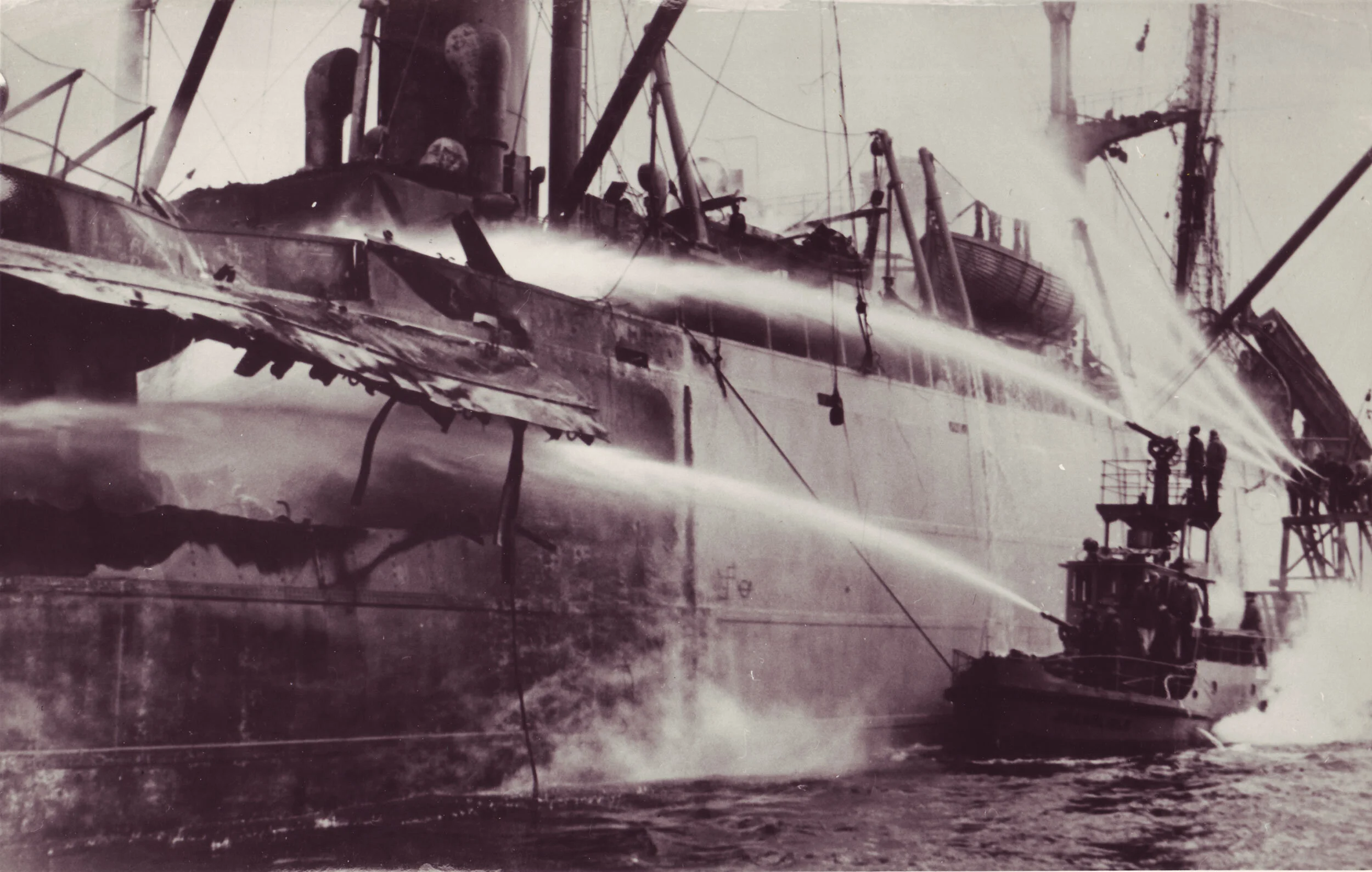
Our own west coast claim to a momentous maritime tragedy, the 1945 explosion of the steamship S.S. Greenhill Park in Vancouver Harbour in March 1945. 2020, of course, marks that tragedy’s 75th anniversary.
Read More
Disaster on Mount Benson Now All But Forgotten
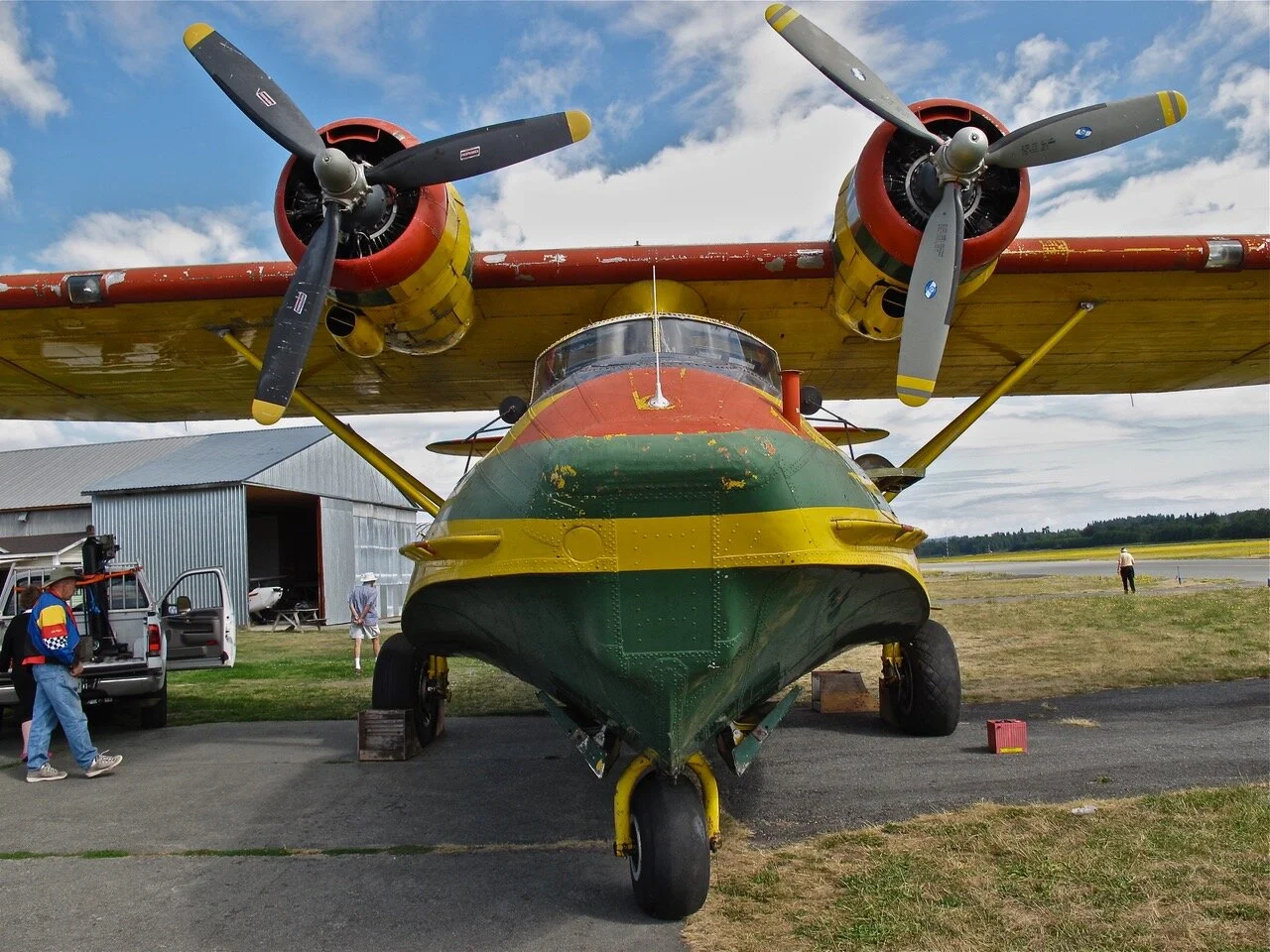
At the time—Oct. 1, 1951—the crash of a Queen Charlotte Airlines Canso on Nanaimo’s Mount Benson was the worst aviation accident in British Columbia history. It’s now the 18th which shows you how far we’ve come in 70 years.
Although I’ve always been fascinated by old aircraft and plane wrecks are a natural extension of that interest, I’ve only managed to get to a few over the years. The one on Mount Benson, six miles west of Nanaimo, is the one that has intrigued me most of all. I first heard of it as a kid and was reminded of it in the mid-1970s as I came out of a north Nanaimo department store and saw the sun glinting on something on the southeast face of Mount Benson.
Read More
High Noon in Downtown Vancouver
“Reporter packed a heater on the police beat,” is the sensational headline of one newspaper article about the legendary British Columbia journalist B.A. ‘Pinky’ McKelvie.
Other than the gang shootings in recent years, which seem to have died down now, it’s almost beyond our comprehension in this day and age that a newspaper reporter who covered the crime beat in Vancouver a century ago would pack iron.
Read More
C.H. DICKIE: OUT OF THE PAST (Addendum)
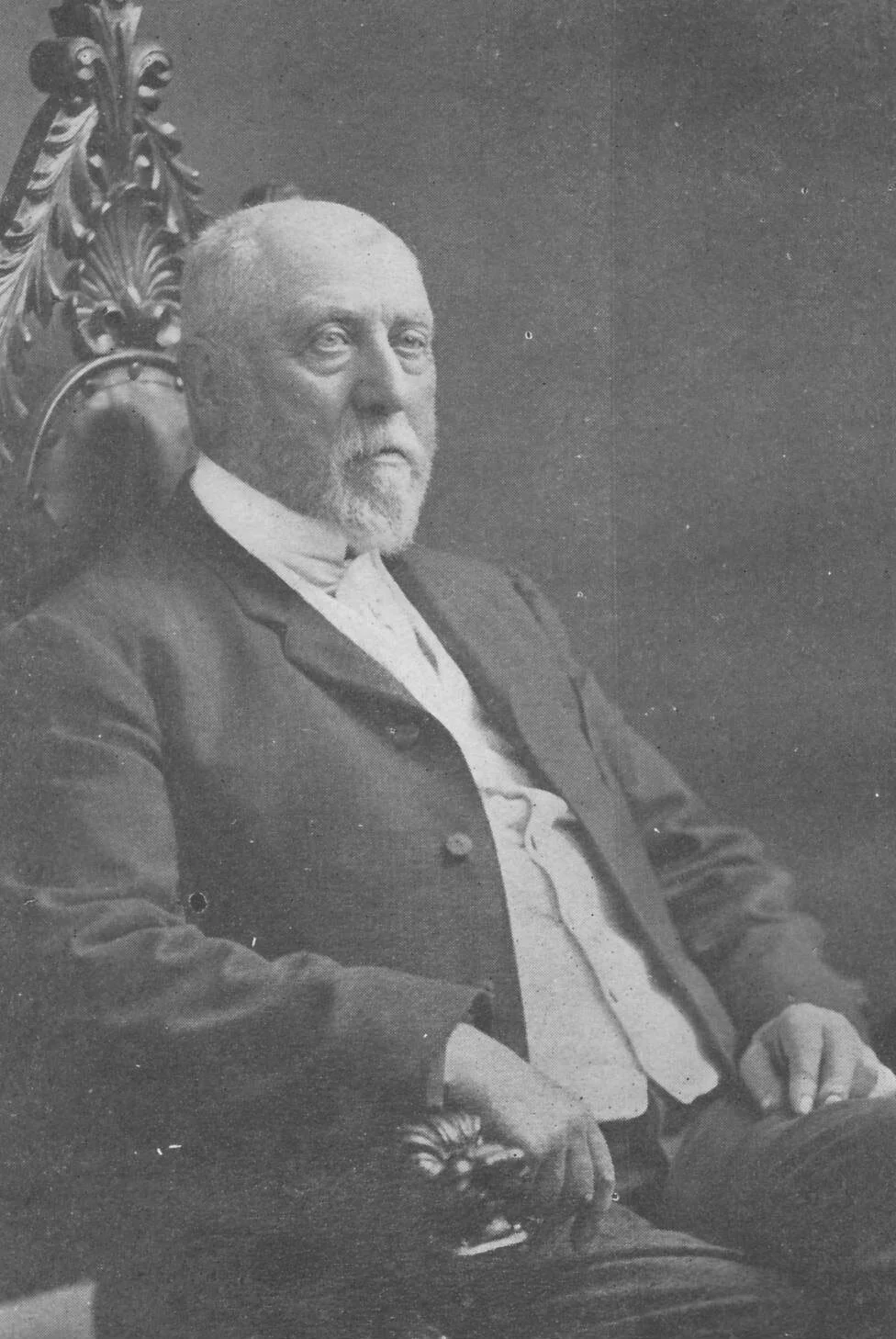
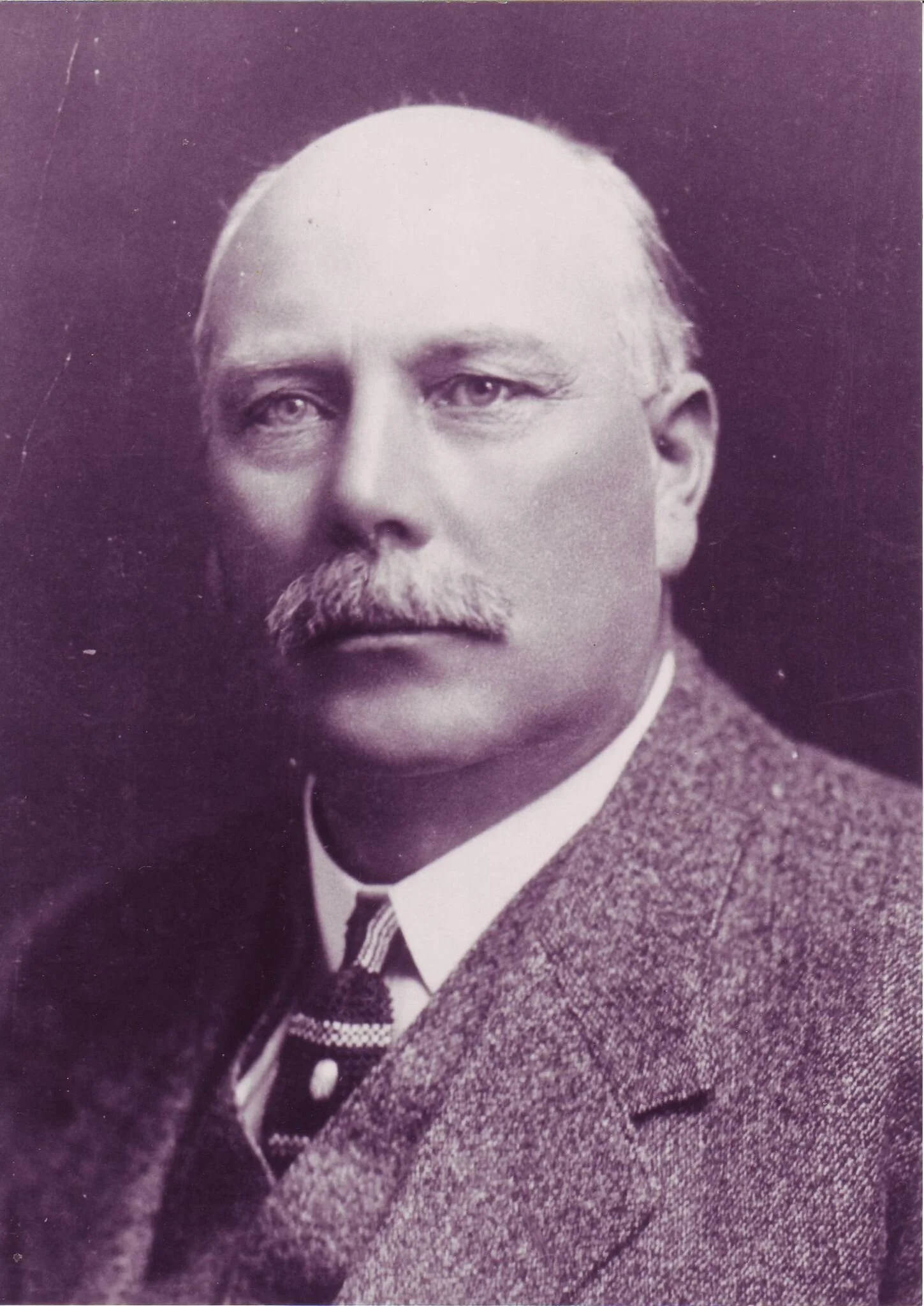
We have, over the past several weeks, been reading Charles Herbert Dickie’s memoir, Out of the Past, that related his adventures as a
● Sheriff in Michigan
● Labourer and hobo in California
● Fireman and conductor on the Esquimalt & Nanaimo Railway, Victoria
● Hotelier in ‘Duncans Station’ and successful investor in Cowichan’s Mount Sicker copper mining boom
● Disenchanted Member of the Legislature for a single session
● Disappointed prospector in northwestern British Columbia
● World traveller
● And, finally, for three terms, Member of Parliament.
That’s quite a resume for any one man!
Read More
C.H. DICKIE: OUT OF THE PAST (Part 6 Conclusion)
We’ve been following Charles Herbert Dickie’s memoir Out of the Past.
Last week we accompanied him on his almost round-the-world voyage as he recharged his mental battery after the stress of seeing the money he’d made from the sale of his shares in the Tyee copper mine on Mount Sicker all but disappear in unsuccessful mining ventures in the Stewart River area of northwestern British Columbia.
Ever the optimist, although he lost his money and changed careers, he never did lose the mining bug.
Read More
C.H. DICKIE: OUT OF THE PAST (Part 5)
(Stressed and worn out by his unsuccessful mining explorations in B.C.’s northwest, Charles Dickie embarks upon a long sea voyage to recuperate. Readers, please note: Dickie was a man of his times and not above disparaging other races and ethnicities. I am letting him speak for himself at the risk of offending some Chronicles readers.—TWP.)
Read More
C.H. DICKIE: OUT OF THE PAST (Part 4)
Last week Charles Dickie recounted his hilarious days as the
co-host of the rough and ready Alderlea Hotel, in what was then known as Duncan’s Station.
(Ah, the good old days, when men were men, the booze, sometimes watered, flowed free, the steaks were tough as leather and fist fights and crude practical jokes were the order of the day.)
Read More
C.H. DICKIE: OUT OF THE PAST (Part 3)
For most readers of the Chronicles this instalment of Charles Dickie’s colourful memoir will be much closer to home. After his all his wanderings and odd jobs in Michigan, California and Victoria, he arrives in the Cowichan Valley.
He becomes partners in managing Duncan’s first hotel, the ‘Miners’ and Loggers’” Alderlea where life was anything but dull. Fortuitously, his arrival coincided with the great copper strike on Mount Sicker, a short-lived boom that made fortunes for a few, set Duncan on the map and transformed Dickie’s career from that of an itinerant labourer to mining entrepreneur and politician...
Read More
C.H. DICKIE: OUT OF THE PAST (Part 2)
As I noted last week, you’re not likely to find Charles Herbert Dickie’s memoir, Out of the Past, “by an M.P.,” in a used book store—or even online.
Dedicated to the memory of carefree friends, it’s small (128 pages) and just 20,000 words in length.
But make no mistake: It’s a great read and of particular interest to students of Cowichan Valley and British Columbia mining history.
Read More
C.H. DICKIE: OUT OF THE PAST (Part 1)
You’re not likely to find Charles Herbert Dickie’s memoir, Out of the Past, “by an M.P.,” in a used book store—or even online.
Dedicated to the memory of carefree friends, it measures 3.5 inches by five, and 128 pages, it’s just 20,000 words in length, more comparable to an e-book than to a pocket book, and it’s stapled rather than bound. All in all, it’s pretty small and likely was printed on the cheap.
But make no mistake: It’s a great read and of particular interest to students of Cowichan Valley and British Columbia mining history.
Read More
Cowichan War Chief Tzouhalem: Legend Reborn?
Cowichan’s legendary Tzouhalem is in the news again.
Not the Quamichan war chief himself—he’s been dead for well over a century—but the fact that he's going to be the subject of a movie.
Reporter Robert Barron recently reported in the Cowichan Valley Citizen that documentary filmmaker Harold C. Joe, a member of Cowichan Tribes, and a film crew are making a television documentary that will “examine the near-mythic figure of Chief Tzouhalem through interviews and creative re-enactments".
The operative word here is “creative” as the only existing written records that refer to Tzouhalem are the hand-me-downs of non-Indigenous (i.e. white) contemporaries (some of them in positions of authority and therefore adversarial).
Read More
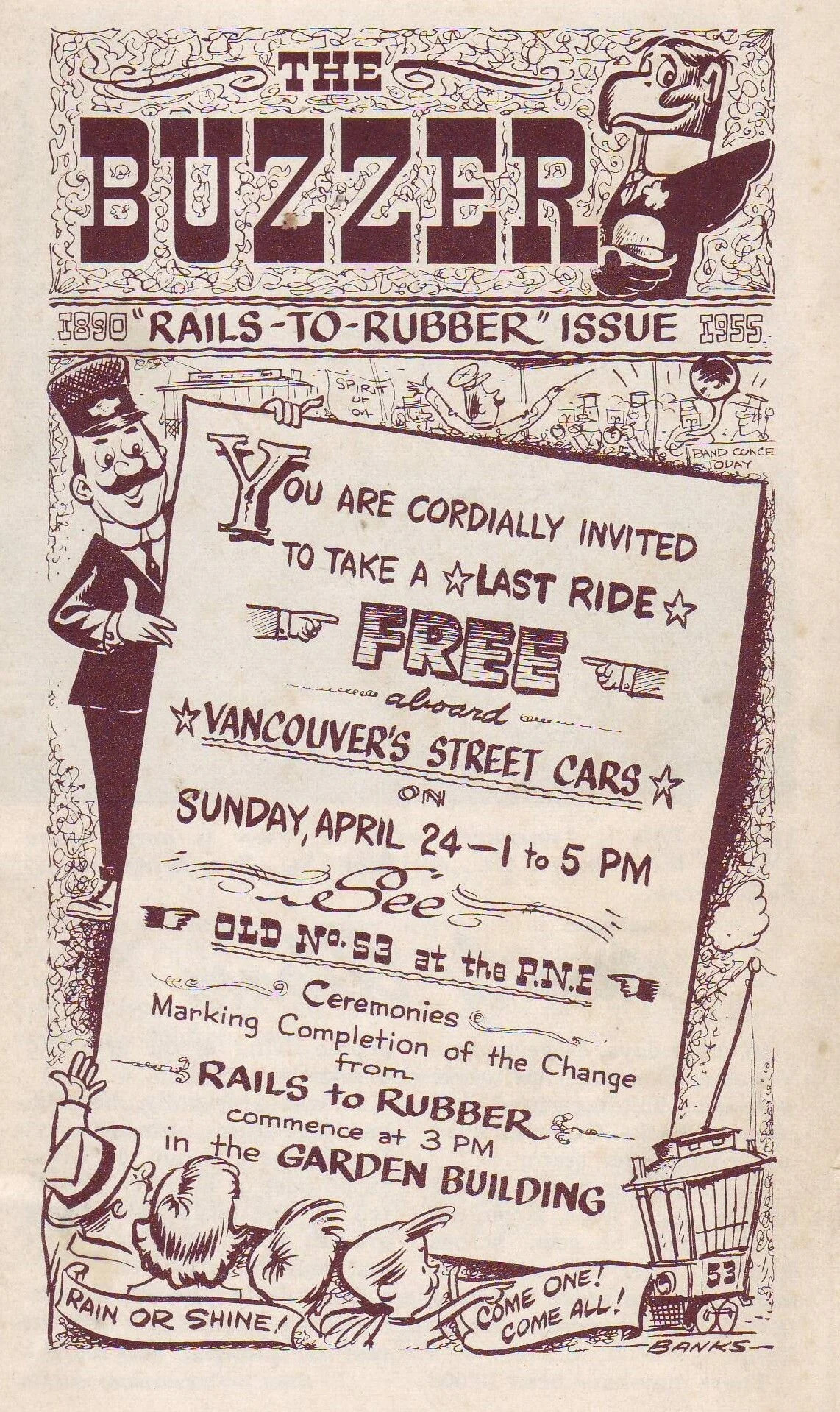
April 1955: Last Ride on Vancouver’s Street Cars
This special April 1955 issue of The Buzzer, entitled Rails-to-Rubber, “cordially invited” the public to “take a last ride FREE” aboard Vancouver’s street cars which were about to be retired.
This week I share this Buzzer with Chronicles readers who will, I’m sure, find the photos of this now long-gone mode of public transportation as fascinating as I have. Anyone who has ridden a bus lately will realize how far we’ve come in 65 years!
Read More
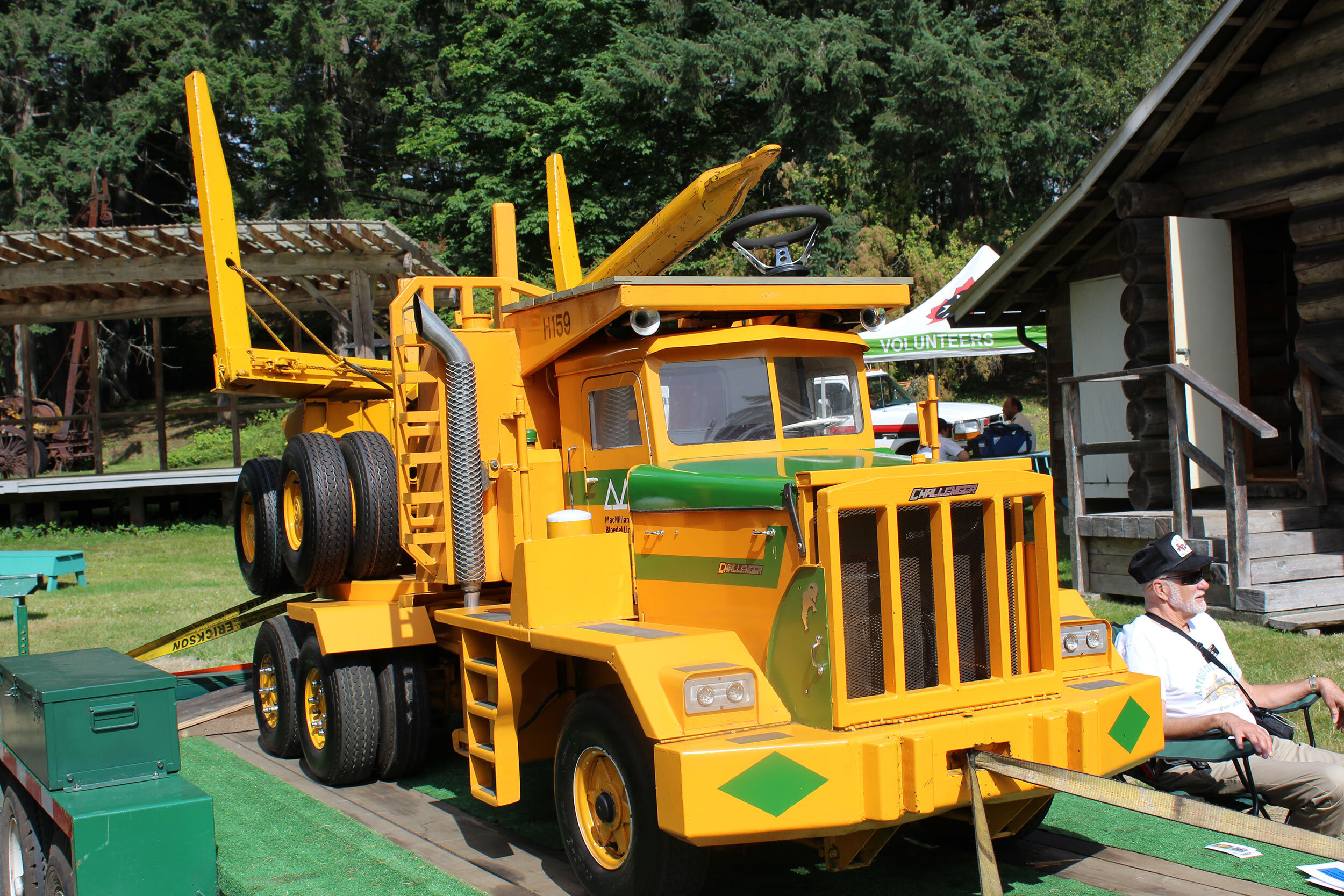
Legendary Hayes Logging Trucks Set Industry Standard
When Hayes Forest Services Ltd., an industry stalwart and one of the biggest contract logging companies on Vancouver Island, shut down in 2008, it ended the latest chapter in a forestry family tradition that went back three generations and left its hallmark on both logging and trucking.
Coincidentally, a showing of ‘antique’ logging trucks—not all of them really that old but most of them really, really big boys’ toys—at the Cowichan Exhibition grounds had included several Hayes logging trucks.
Read More