(Conclusion)
Last week, the late Guy Ilstad began to recall his adventures in 1910 when, at the height of a land boom precipitated by the construction of the Grand Trunk Pacific Railway, he and two teenage friends were hired to stake out 10,000 acres in northern BC for an American company.
To my regret, I never met the late Guy Ilstad. We corresponded for several years, beginning back when I was working for The Daily Colonist in Victoria at the start of my journalistic career.
Our friendship began by my playing a long shot after his name came up while I was researching the intriguing story of Quatsino’s John Sharp. The watchman for a dormant coal company, Sharp’s mysterious death had long intrigued historians because of rumours he’d really been William Clarke Quantrill.
Read MoreThey’re a curse, I tell you!
I defy anyone to pore through old newspapers and documents on a daily basis as I do and not be pulled down, down, down by these unforeseen, unavoidable and irresistible sirens.
You can hardly turn a page, it seems, that there isn’t another story crying out, “Read me.”
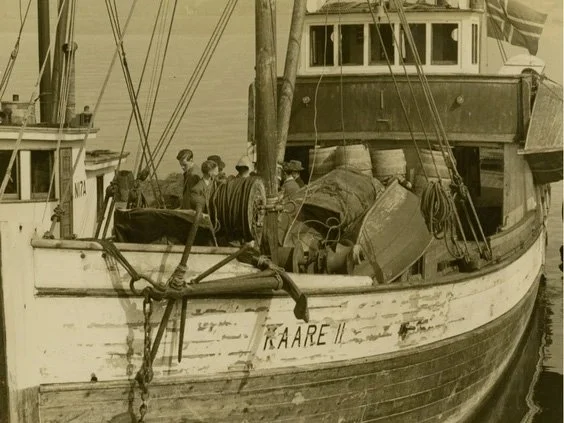
Read MoreAfter defying German guns and the stormy North Atlantic during the Second World War, a veteran halibut boat vanished off BC’s wild coast in October 1963. There were no survivors.
Five years later, the discovery of wreckage on an Alaskan shore shed new light on yet another of the province’s marine mysteries.
Read MoreCertainly the career of Gustav Alvo von Alvensleben was one of extremes—from German aristocrat to BC developer extraordinaire to enemy alien, imprisonment and financial ruin.
Anyone researching provincial history in the years immediately preceding the First World War is sure to see this name celebrated in press stories; some even credit him with founding the Vancouver stock exchange.
Read More(Conclusion)
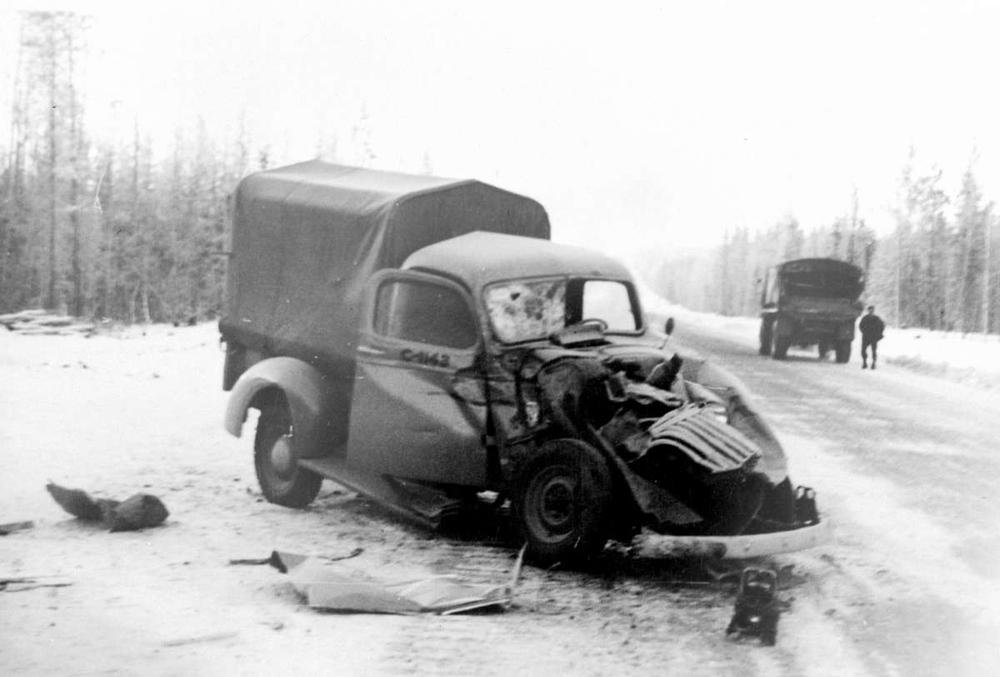
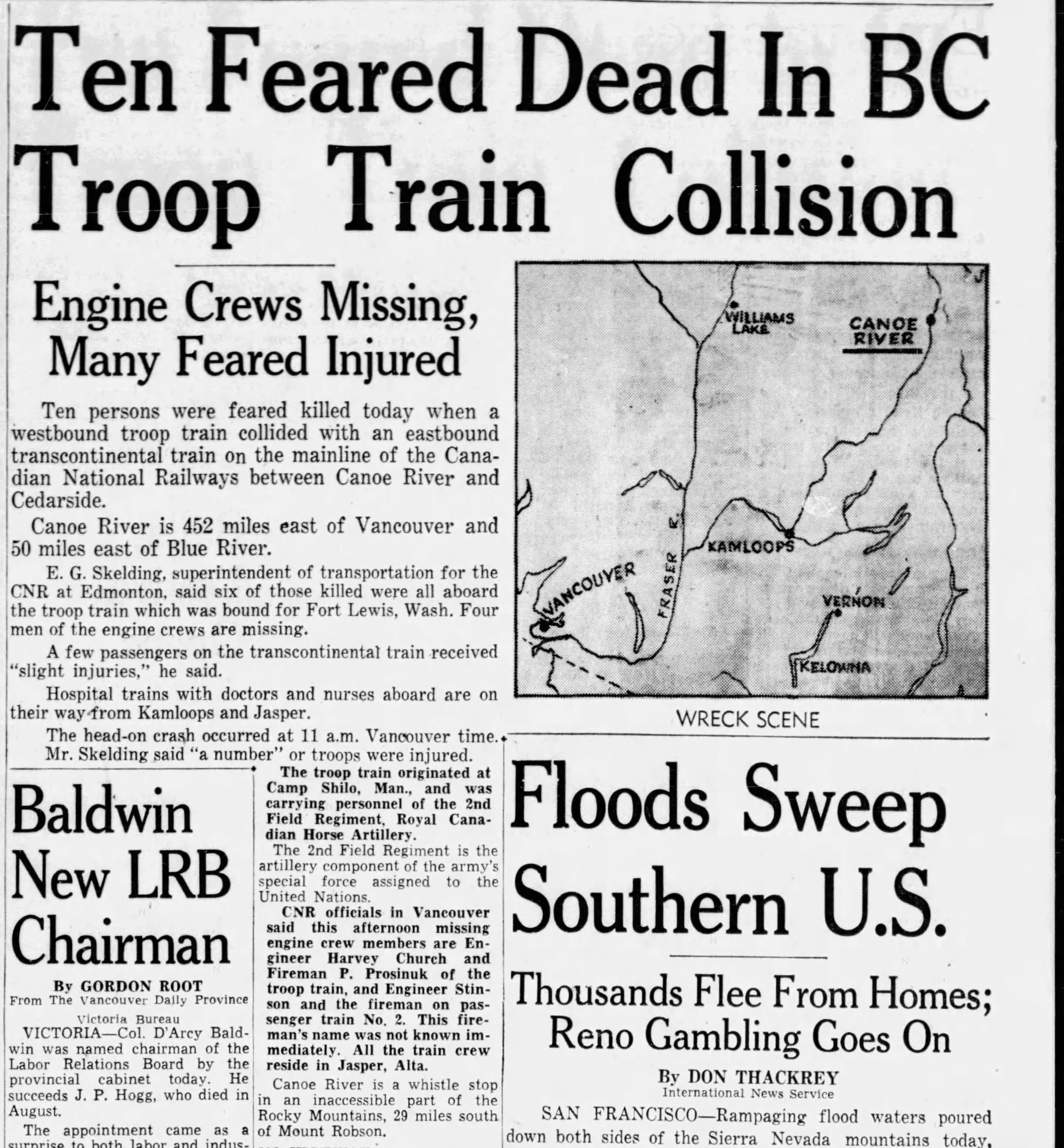
Last week, courtesy of the Nov. 22, 1950 Vancouver Province, we learned of the horrendous head-on collision in the Rockies between a westbound Canadian Army troop train and an eastbound passenger express. Today, the conclusion to this tragedy which ended up in a courtroom and, in its own way, made Canadian judicial history...
Read More(Part 1)
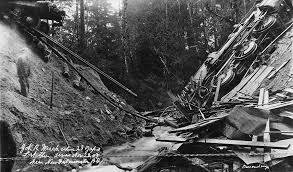
To railway history buffs British Columbia's second worst railway disaster is known as the Canoe River train wreck; to lawyers studying Canadian legal precedent, it's the Canoe River case.
Neither term even hints at the fact that it was the Korean War, then raging, that precipitated this tragedy...
Read More(Conclusion)
This week, the conclusion to Noel Robinson’s 1922 profile of Capt. Alex McLean, the “real” Sea Wolf of literary fame in Macleans magazine:
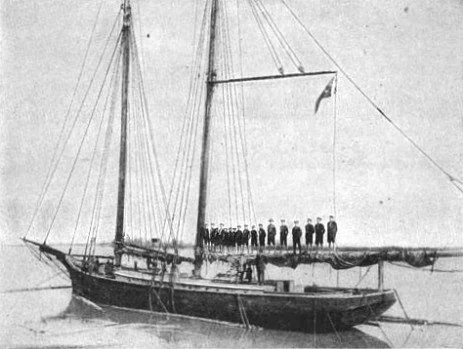
While Captain Alexander McLean never owned or sailed the Casco—a boat always associated with Robert Louis Stevenson because the novelist sailed in her and wrote at least one of his novels aboard her—McLean had a strong desire to possess her and at one time tried to buy her.
Read MoreFour years ago, I told the story of the amazing Capt. Alex McLean who was made immortal—and infamous—by novelist Jack London. The source for my Chronicle was an author much closer to home, Tom MacInnes, in his 1920s book Chinook Days.
Read MoreAnother Christmas, and time to reach into my archives for another Yuletide BC Chronicle.
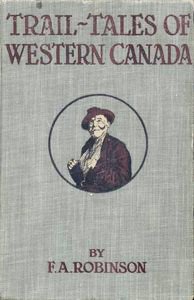
This year, I’m sharing from a book that I found years ago in my travels, an original printing (it’s now available online as a reprint) of F.A. Robinson’s book Trail-Tales of Western Canada, published in 1914.
Read MoreLike dominoes, they keep falling—traditional geographical, so-called place names, long rooted on our maps which have come to be challenged by today’s moral and ideological standards.
Places and topographical features which were named to honour pioneers who played pivotal roles in BC history but who now find themselves under the glass for their beliefs, in particular their publicly expressed or demonstrated stands on racial issues. Sometimes, too, and more and more often lately, not for reasons of moral judgment but to belatedly acknowledge First Nations precedents.
Read More(Part 1)
To Englishman John (Jack) Green goes the honour of being Savary Island's first permanent resident. After years as a placer miner in the American Southwest, followed by some successful real estate ventures on Vancouver Island, he first set eyes on the island in the Strait of Georgia, northwest of Powell River, as a seagoing trader.
An Awful Accident to a Railway Train on the Union Colliery Line
Six Men Reported to Have Met Instant Death– the Wires Down
Such were the headlines of the Victoria Daily Times, Aug. 17 1898…
Read MoreOne of the benefits of being a regularly published writer is that one automatically becomes a ‘destination’. By this I mean, I rarely know who my readers are but they know me, and how to contact me.
And when they reach out it sometimes becomes a gift—more grist for my mill.
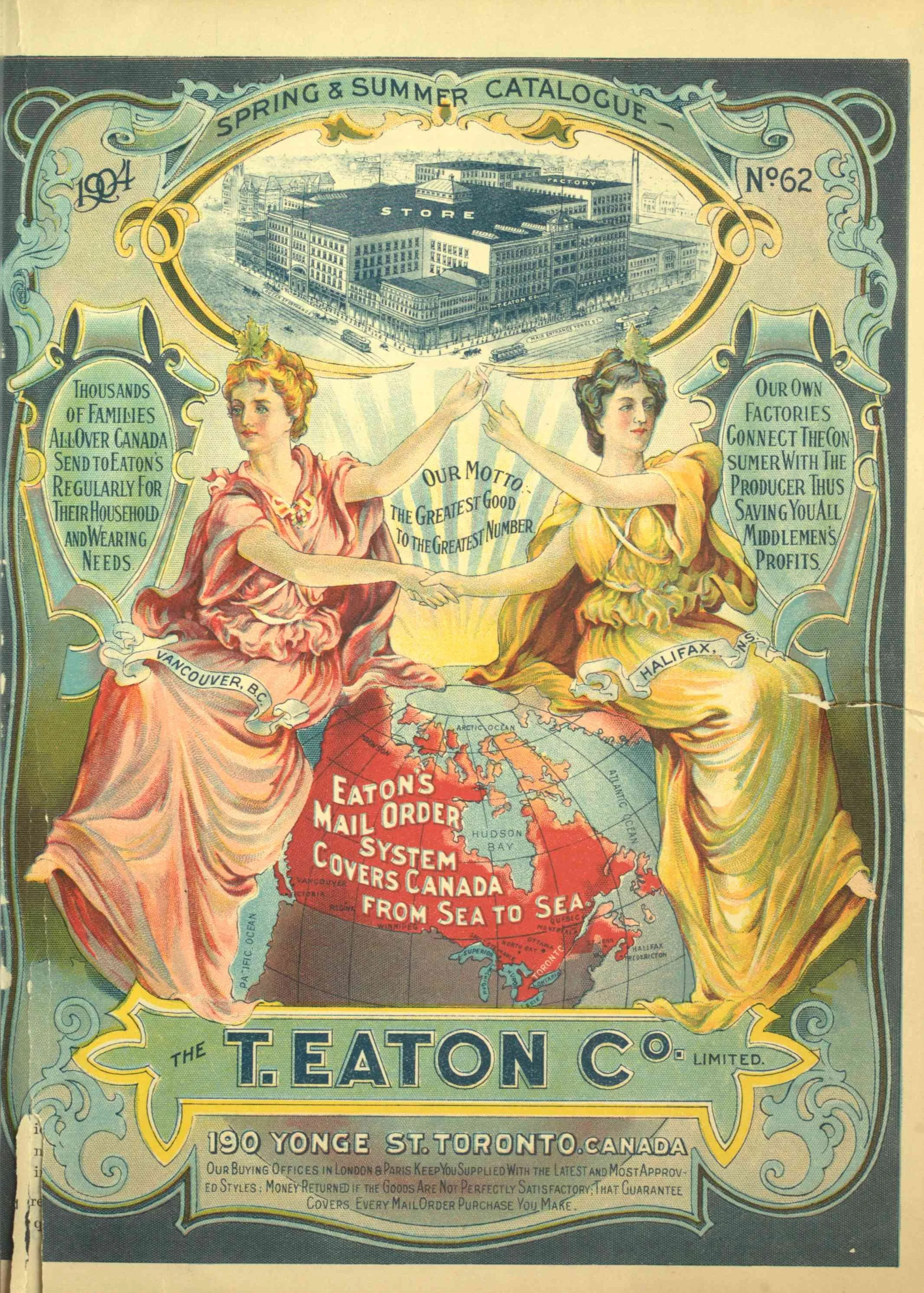
Read MoreFor months now we’ve been watching the drawn-out demise of Canada’s oldest corporation, the Hudson’s Bay Co.
Major department stores have been failing in recent years; companies we grew up with, trusted and patronized while eagerly awaiting the latest catalogue in the mail from Eaton’s, Woodward’s, Sears and the Bay, to name the four biggest.
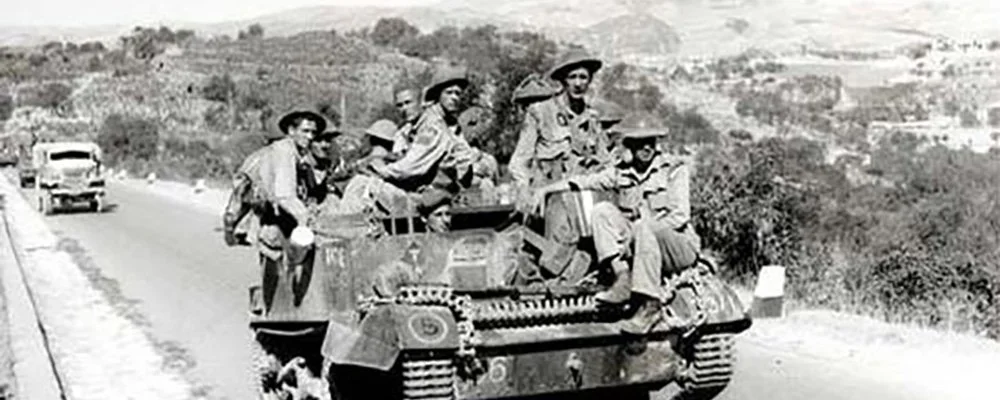
Read More(I originally wrote this touching wartime reminiscence for the Cowichan Valley Citizen in 2005, the Year of the Veteran, with the help of the late Jean Phillips of the Royal Canadian Legion, Cowichan Branch 53.)
The BC Chronicles rarely strays beyond our geographic borders but I believe Remembrance to be universal. Speaking is the late John Cannon of Duncan, B.C.
Read More(Conclusion)
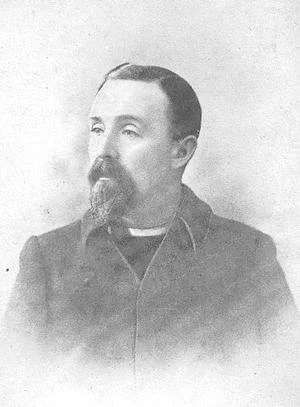
He was barely middle-aged, this man of iron will, stamina and religious zeal. But he’d challenged his health so many times and now he was weighed down by sorrow. His closest friends noticed that he seemed to have aged perceptibly, and at least one of them expressed fear for his life.
None could foresee that, after all he’d done for others, Henry Irwin was already running out of time. His premature passing remains one of the sadder ironies of our history.
Read More(Part 3)
Was there ever a bigger heart than that of pioneer missionary Henry “Father Pat” Irwin?
A man who did nothing by halves—he only gave his all.
What bitter irony that, at the moment of his greatest joy, he should be struck by double tragedy.
Read More(Part 2)
As we saw last week, a young Henry Irwin had, as his biographer Anne Mercier wrote in 1909, “laughingly declared his intention of choosing a cold climate and being a missionary there; and he...fulfilled this intention by choosing British Columbia as the province, and New Westminster the diocese, where he would begin work.